

Urine test identifies over 90% of bladder cancer cases
UK trial finds at-home urine test developed by the University of Birmingham and Nonacus detects more than nine in ten bladder cancers.
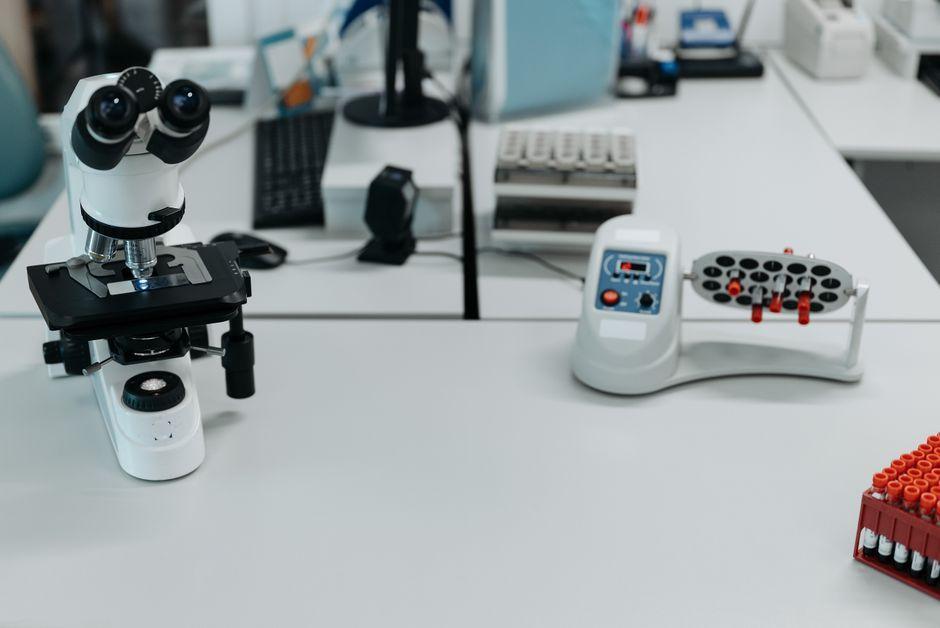
Stock photo for illustration only, not from the actual event
- At-home urine test detects over 92% of bladder cancer cases accurately.
- Trial conducted across seven hospitals in England and Scotland by Birmingham University and Nonacus.
- Aims to reduce the number of invasive cystoscopy procedures required annually.
- Analyzes over 450 DNA mutations across 23 genes shed into urine.
A recent medical trial by the National Health Service (NHS) in the United Kingdom has highlighted the effectiveness of an at-home urine test capable of screening for bladder cancer with high precision. The findings, published in the journal European Urology Oncology, offer a promising alternative to streamline early diagnosis for patients.
The study was spearheaded by the University of Birmingham alongside diagnostics company Nonacus, involving nearly 1,000 patients across seven hospital sites in England and Scotland to evaluate the performance of the screening tool in a real-world setting.
Researchers hope the innovation will decrease the volume of patients needing urgent and more invasive procedures known as cystoscopies, which require inserting a small camera through the urethra into the bladder. The UK performs more than 300,000 cystoscopies every year, frequently resulting in substantial waiting lists.
Although the test does not entirely replace cystoscopy examinations, it could assist physicians in pinpointing high-risk patients who require prioritization for prompt evaluation rather than prolonged waiting periods.

Stock photo for illustration only, not from the actual event
The NHS trial demonstrated that the Galeas urine test successfully identified 92 percent of bladder cancer cases. Furthermore, a negative result indicated a greater than 99 percent probability that the individual did not have the disease. The technology detects genetic material shed into urine by cancer cells and originated from research funded by Cancer Research UK (CRUK) at the University of Birmingham.
"After spending years developing and evaluating the science, it was exciting to see 'very promising early performance' in a large real-world patient population."
Prof Richard Bryan, co-author of the study from Birmingham University
The test screens for more than 450 DNA mutations linked to bladder cancer across 23 distinct genes. Through a licensing agreement, the diagnostic tool has been commercialized by Nonacus, which channels a portion of its revenue back to the university and CRUK.
From a public health perspective, implementing molecular at-home screening addresses significant diagnostic bottlenecks. Since bladder cancer predominantly affects men over 60 with blood in urine serving as a primary symptom, early identification remains critical for successful medical intervention and improved survival rates.
Source: BBC Health
Found something wrong in this article? Report an issue with this article
Comments
Leave a Comment