

What the World Cup Could Have Been: A Reality Check for Travel Industry
The travel industry bet billions on the 2026 World Cup bringing international crowds, but lower visitor numbers and political hurdles offer a stark warning.
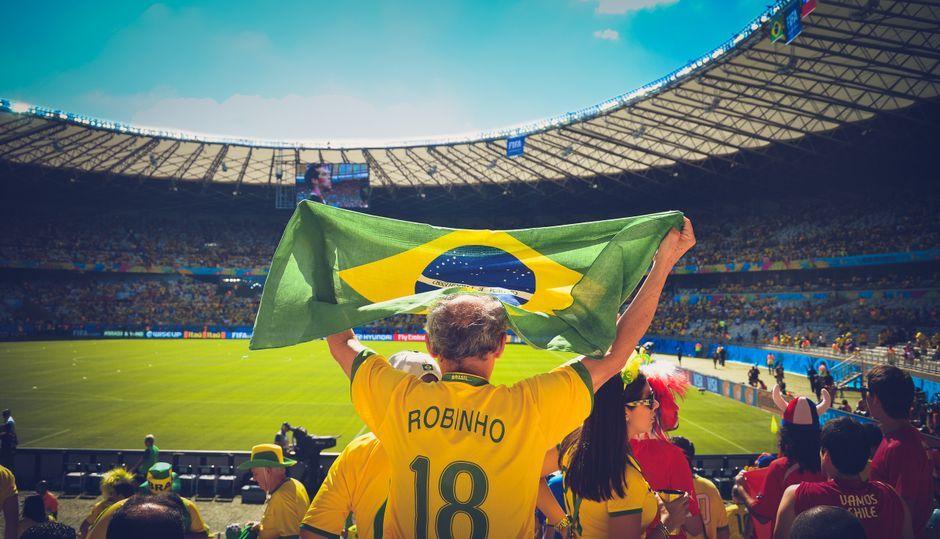
Stock photo for illustration only, not from the actual event
- Total tournament arrivals hit 494,000 versus Deloitte's 836,000 estimate, falling 40% short.
- Hotels still profited through high room rates despite lower overall visitor volume.
- The 2028 LA Olympics are financed on the same visitor assumptions that failed in 2026.
- Inbound travel suffered from political headwinds, visa barriers, and dynamic ticket pricing.
For eight years, the promise was that the 2026 World Cup would deliver a monumental windfall, bringing a once-in-a-generation surge of international visitors, billions in fresh spending, record hotel occupancy, and a hiring boom across every host city. The travel industry fully believed this, preparing and pricing accordingly.
Instead, the reality proved far narrower and more nuanced. While hotels still generated revenue, it did not happen the way the industry anticipated. International arrivals actually came in below forecasts and even dipped below the previous year, while a broader industry hiring boom failed to materialize in payroll data.
The tournament was certainly not a bust—Spain won, stadiums were packed, and many operators enjoyed a profitable summer. However, the gap between what the industry was promised and what it actually received matters immensely, especially as the next mega-event, the 2028 Summer Olympics in Los Angeles, relies on the exact same financial assumptions.

Stock photo for illustration only, not from the actual event
Context and Analysis: The 2026 World Cup outcome highlights the risks of relying on rigid economic impact models that prioritize headcounts and high room rates over broad consumer participation. FIFA's dynamic ticket pricing concentrated attendance among wealthier crowds, while misleading hotel room blocks created false sell-out signals. For host cities like Los Angeles preparing for 2028, public-risk exposure increases when economic models count total visitor volume rather than actual traveler spending habits and market accessibility.
Several factors drove this shortfall, including political sentiment, visa barriers, and FIFA's dynamic ticket pricing model which restricted attendance to a smaller affluent demographic. Furthermore, misleading FIFA hotel room blocks created false sell-out signals, forcing properties to slash rates by roughly 30% from their peaks when the anticipated visitor tide failed to arrive.
Source: Skift
Found something wrong in this article? Report an issue with this article
Comments
Leave a Comment