

Burnham pressed on economy at first PMQs as UK borrowing costs rise
Prime Minister Andy Burnham faced Conservative leader Kemi Badenoch at his first PMQs as UK borrowing costs reached an 18-year high.

Stock photo for illustration only, not from the actual event
- Andy Burnham faced Kemi Badenoch at his debut Prime Minister's Questions on 2 September 2026.
- UK borrowing costs and 10-year bond yields hit their highest level since 2008.
- The Conservative leader pressed the PM over spending plans and potential tax rises.
Prime Minister Andy Burnham faced his first Prime Minister's Questions session on Tuesday against Conservative leader Kemi Badenoch, as the economic spotlight turned sharply onto the UK's rising debt and borrowing costs, which hit a new 18-year high on Wednesday.
Badenoch called on the prime minister to specify where public spending would be cut and how his administration intended to tackle the expanding national debt. She argued that the new government had announced numerous spending commitments without explaining how those promises would be funded.
Prime Minister's Questions (PMQs) serves as a vital constitutional mechanism in the UK Parliament, allowing the Leader of the Opposition to directly question the prime minister on government policy every week. For the newly established Labour administration, balancing ambitious public spending pledges with tightening fiscal constraints represents a critical economic challenge.
In response, Burnham deflected the blame onto the previous Conservative government, asserting that turbulence in global markets stemmed from the financial exposure left behind by his predecessors. The prime minister also highlighted prior fiscal actions taken by his administration, including reductions in energy bill VAT and business rates for the hospitality sector.
"The markets are clearly worried that we now have a spendthrift prime minister who wants to say yes to everyone but cannot tell us where the money is coming from."
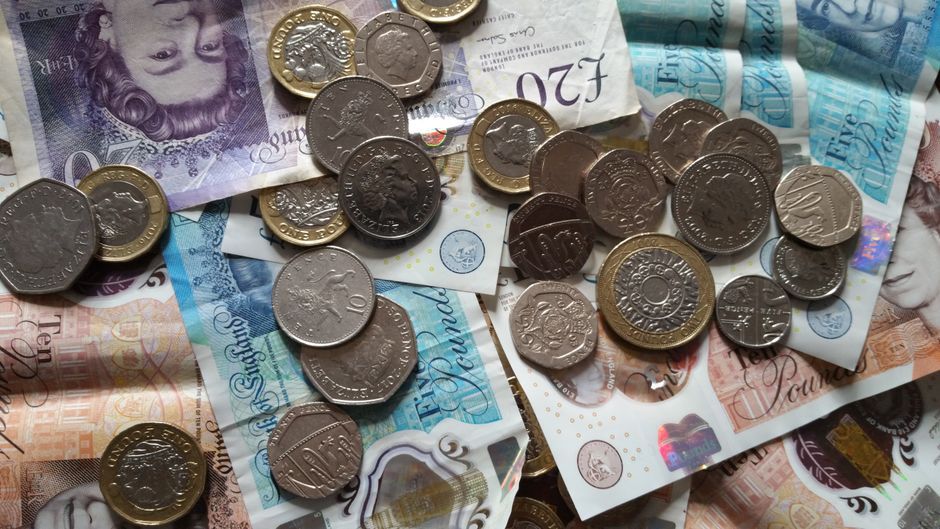
Stock photo for illustration only, not from the actual event
The opposition leader further raised security concerns following a Russian attack on Leipzig airport in Germany, urging the government to commit to a 3% defence spending threshold. While the administration has committed to reaching a 3.5% defence spending target by 2035, an interim 3% commitment has been pushed back to the spring of next year.
Source: BBC Politics
Found something wrong in this article? Report an issue with this article
Comments
Leave a Comment