

House Votes 414 to Reject Senate Clean Air Bill Changes
The Thai House of Representatives overwhelmingly voted 414 to reject Senate amendments to the Clean Air Bill, establishing a 20-member joint committee.

Stock photo for illustration only, not from the actual event
- The House overwhelmingly voted 414 to reject Senate amendments to the Clean Air Bill
- Only 2 votes supported the Senate's changes, with 1 abstention
- A joint committee of 20 members from both houses was established to resolve the deadlock
- The session was adjourned at 6:46 PM with proportional party representation decided
During the parliamentary session in the House of Representatives, the consideration of the Clean Air Bill drew intense attention after the Senate proposed revisions to the draft legislation. This law is widely anticipated by the public as a critical regulatory framework for tackling long-term environmental pollution and smog issues in the country.
Mrs. Mallika, acting as the session's chairperson, led the members of the House of Representatives in registering and casting their formal votes on the Senate's amendments. The results showed an overwhelming majority of representatives voted against the Senate's modifications, demonstrating the House's firm stance on preserving the bill's original framework.
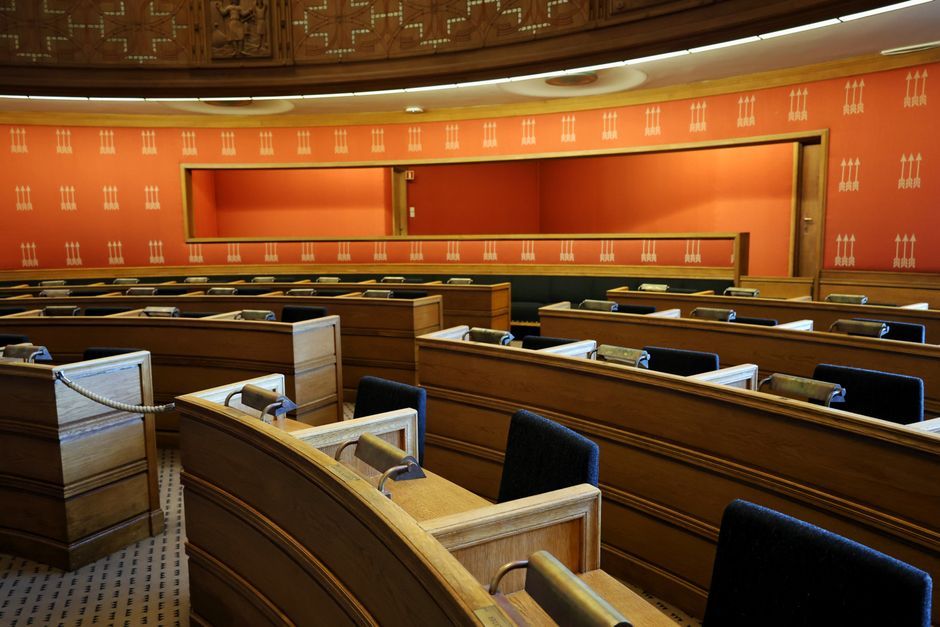
Stock photo for illustration only, not from the actual event
The official voting breakdown announced during the session is as follows:
- Votes against Senate amendments: 414
- Votes in favor of Senate amendments: 2
- Abstentions: 1
- Non-votes: None
As a result of this definitive vote, the legislative process mandates the formation of a joint committee consisting of members from both the House and the Senate, totaling 20 members. This committee will be tasked with deliberating and resolving the conflicting provisions between the two chambers.
The formation of a bicameral joint committee is a constitutional mechanism triggered when the House of Representatives and the Senate disagree on key legislative drafts. In the case of the Clean Air Bill, the overwhelming House vote to reject Senate changes underscores the legislature's commitment to maintaining strict environmental standards. The upcoming joint committee deliberations will be crucial in determining how enforcement mechanisms and regulatory controls are finalized before the bill becomes law.
The allocation for the 20 joint committee seats is divided equally between 10 representatives from the House and 10 from the Senate. The House quota comprises members from various political parties, including 4 from the Bhumjaithai Party, 2 from the People's Party, 2 from the Pheu Thai Party, 1 from the Kla Tham Party, and 1 from the Democrat Party, before the chairperson adjourned the meeting at 6:46 PM.
Source: Matichon Politics
Found something wrong in this article? Report an issue with this article
Comments
Leave a Comment