

Spain Ceuta Migrant Crisis: Protests Erupt Against Sanchez
Thousands protest across Spain over the government's handling of over 72,000 migrants entering Ceuta, demanding Prime Minister Pedro Sanchez resign.
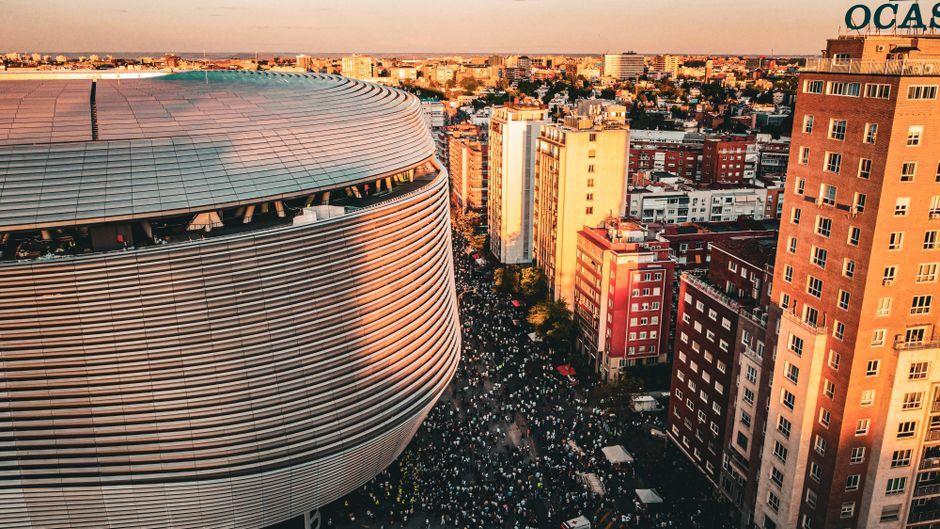
Stock photo for illustration only, not from the actual event
- Thousands protest in Spain over the government handling of the Ceuta migrant crisis
- Over 72,000 migrants crossed from Morocco into the Spanish enclave in late July
- Opposition parties are demanding that Prime Minister Pedro Sanchez step down
- Police reports noted lax security from Moroccan forces, though Morocco denies involvement
Political tension has escalated sharply across Spain as thousands of citizens took to the streets in major cities to protest the government's handling of a massive migrant influx into Ceuta, a Spanish autonomous enclave on the north African coast.
The crisis unfolded after at least 72,000 migrants crossed the border from Morocco into Ceuta between July 30 and 31. Although most individuals have since returned or been sent back, as many as 5,000 remain stranded in makeshift camps, along city streets, or on beaches, triggering civil unrest and creating a severe political test for Prime Minister Pedro Sanchez.
Demonstrations have occurred nearly every day, with participants demanding that migrants be returned to their countries of origin or redistributed across mainland Spain. The rallies were organized by city councils governed by or heavily influenced by opposition groups, specifically the conservative People's Party (PP) and the far-right Vox party, with crowds openly calling for Sanchez to resign.
PP leader Alberto Nunez Feijoo attended the major rally in Madrid, where government figures estimated a turnout of over 50,000 people, accusing the administration of allowing a Spanish city to be occupied. Meanwhile, Vox leader Santiago Abascal claimed Sanchez was acting like a lackey for the Moroccan regime. A parallel major protest took place in Ceuta itself, where participants chanted slogans defending the enclave.
"The response has been inadequate, late and, to top it all, has involved a complete dereliction of duty on the part of the government. We cannot be second-class citizens, and our border must not be sidelined."
Ceuta and Melilla, Spain's two autonomous enclaves in North Africa, have historically served as intense geopolitical flashpoints in diplomatic relations between Madrid and Rabat due to Morocco's longstanding territorial claims. The sudden surge of migrants not only strains local municipal resources and humanitarian efforts but also provides political ammunition for opposition parties seeking to destabilize the central government amidst a backdrop of social media misinformation.
Pressure on Sanchez's administration intensified following media leaks of a National Police report submitted to the National Court by the National Immigration and Borders Centre (CENIF). The document stated that Moroccan security forces exhibited total permissiveness during the unprecedented border crossing, though it stopped short of directly accusing Rabat of orchestrating the event.
Prime Minister Sanchez has previously blamed trafficking gangs and online misinformation for encouraging the dangerous crossings, while insisting that Morocco bears no responsibility. Morocco has consistently denied organizing or facilitating the mass crossings, reporting that its own authorities have detained dozens of migrants attempting to enter Ceuta.
Source: BBC World
Found something wrong in this article? Report an issue with this article
Comments
Leave a Comment