

Handmade Utopia 2024: Radical California Homes
A 496-page volume by David Jacob Kramer and Michael Schmelling documents Northern California's back-to-the-land DIY homes.

Stock photo for illustration only, not from the actual event
- A 496-page exploration of Northern California architecture
- Features oral histories from 38 movement participants
- Documents DIY homes built during the back-to-the-land movement
Half a century after a massive migration from urban centers to rural landscapes, the new volume Handmade Utopia: Back-to-the-Land Architecture in Northern California revisits the dwellings born from an era of radical lifestyle experimentation. Created by author David Jacob Kramer and photographer Michael Schmelling, the publication journeys through hidden roads and redwood forests in Northern California to document a generation that taught themselves how to construct, farm, and live independently.
Published by Edition Patrick Frey, the 496-page book pairs Schmelling’s contemporary photography with Kramer’s oral histories gathered from 38 individuals connected to the back-to-the-land movement. Archival documents, historical texts, and locally produced publications further contextualize these structures within the broader social experiment that emerged following the Summer of Love.
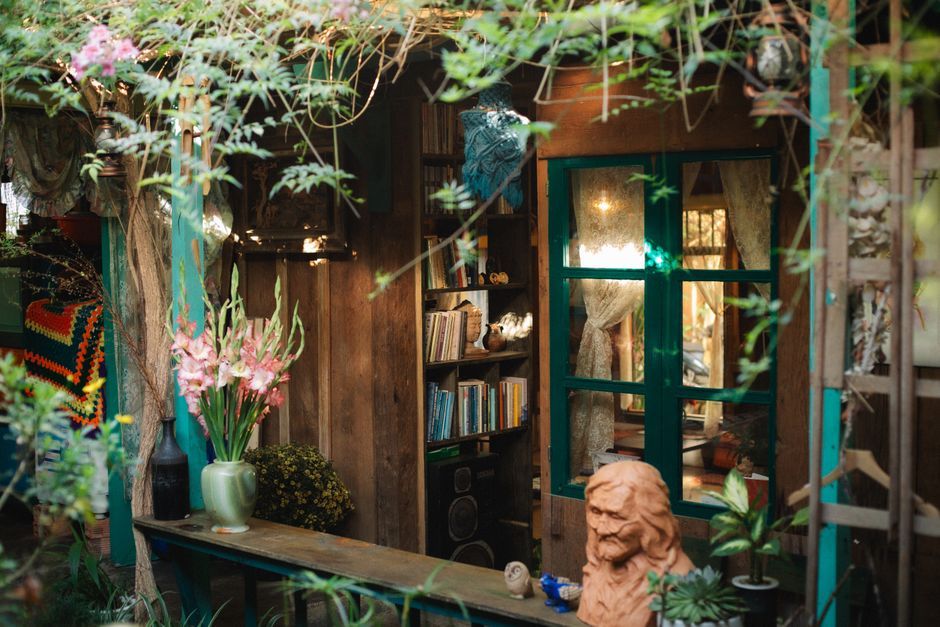
Stock photo for illustration only, not from the actual event
During the late 1960s and 1970s, thousands of young Americans moved away from cities toward rural settings, turning Northern California into a primary hub for communes, self-taught agriculture, and DIY construction. Lacking formal architectural training, residents built their shelters through trial and error, utilizing available materials. These homes were directly shaped by practical necessities, personal philosophies, and a strong commitment to ecological materials and energy efficiency.
One of the core inquiries of the book explores what happens to architecture when it is intentionally removed from property speculation and resale value. Many of these properties were constructed without market worth in mind, prioritizing self-reliance, experimentation, and a tactile relationship with raw materials and landscapes instead—a stance that resonates strongly with contemporary discussions surrounding housing affordability and environmental limits.
"These improvised structures offer a record of an earlier attempt to rethink what a home, and a way of life, could be."
David Jacob Kramer and Michael Schmelling
Examining these historical DIY homes offers a valuable lens through which to view current architectural challenges. While the historical circumstances of the countercultural movement were specific, its core emphasis on resourcefulness and ecological consciousness provides useful perspectives for modern discussions on sustainable living and alternative housing models facing today's urban populations.
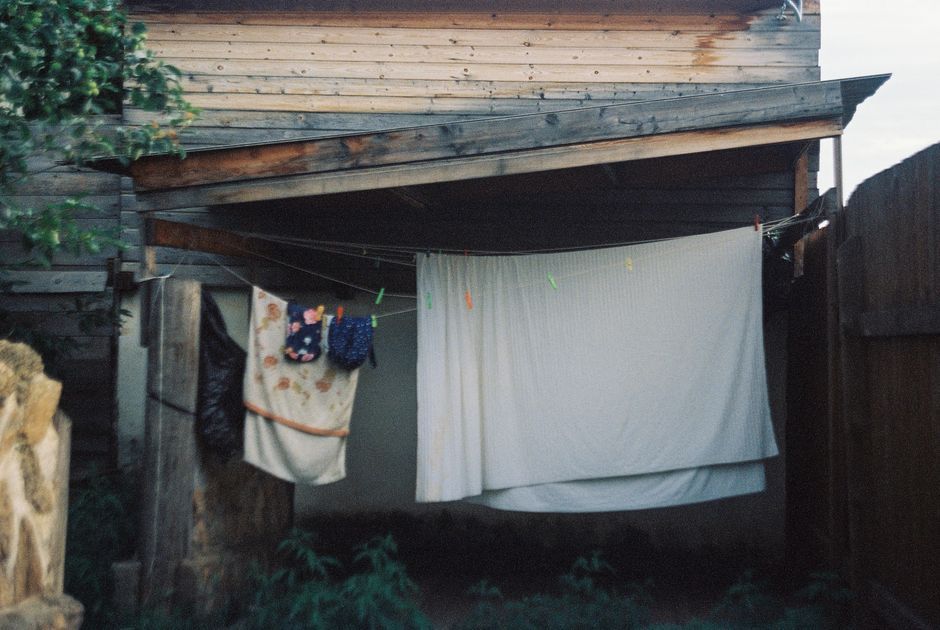
Stock photo for illustration only, not from the actual event
As the original builders now reach their seventies and eighties and many of the structures face gradual disappearance, Kramer and Schmelling’s collaborative documentation preserves a vital record of a generation and the unique architectural experiment they set out to construct.
Source: designboom
Found something wrong in this article? Report an issue with this article
Comments
Leave a Comment