

Top 10 Low-Sugar, Low-Calorie Fruits for Weight and Blood Sugar Control
The Ministry of Public Health highlights rising NCD rates in Thailand, recommending 10 low-sugar fruits as a healthy dietary alternative.

Stock photo for illustration only, not from the actual event
- NCD cases are rising in Thailand, largely driven by excessive daily sugar consumption.
- Choosing low-sugar fruits is an effective strategy to manage weight and blood sugar levels.
- Ten standout fruits including guava, rose apple, avocado, and blueberries are highlighted for low sugar content.
- Consume 3-5 portions of fresh fruit daily, avoid sweet or salty dips, and skip juicing to retain vital fiber.
Thailand's public health landscape faces mounting challenges as data from the Ministry of Public Health indicates a steady rise in non-communicable diseases (NCDs), including obesity and diabetes. A primary culprit behind this trend is consuming more than the recommended daily sugar limit of 6 teaspoons, or approximately 24 grams. While many people consciously cut out desserts, they often overlook the hidden sugars packed inside sweet-tasting fruits. Understanding and selecting low-sugar fruits is therefore a vital key to long-term wellness.
For individuals aiming to manage their weight or those dealing with elevated blood sugar levels, incorporating 10 low-sugar, nutrient-dense fruits (approximate values per 100 grams) into the diet can make a significant difference:
- Guava: Low in calories with only 5-8 grams of sugar, it boasts 3 to 4 times more vitamin C than oranges and high dietary fiber for prolonged fullness.
- Rose Apple: A refreshing, water-rich fruit containing 5-7 grams of sugar and very low calories, perfect for hydration without sugar accumulation.
- Dragon Fruit (White Flesh): Contains about 8 grams of sugar, packed with antioxidants and natural prebiotics that support digestion and gut health.
- Green Apple: Lower in sugar than red apples at 9-10 grams, containing soluble pectin fiber that helps trap fats and cholesterol in the digestive tract.
- Strawberries: Despite their sweet-tart flavor, they contain just 5-7 grams of sugar and are rich in anthocyanins to support eye and vascular health.
- Avocado: The lowest-sugar fruit at under 1 gram per 100 grams, featuring heart-healthy fats that help lower LDL cholesterol.
- Unripe Papaya: Less mature papaya has lower sugar (6-8 grams) and contains papain enzymes that aid protein digestion and reduce bloating.
- Pomelo: Features a low glycemic index with 7-8 grams of sugar, making it ideal for diabetic patients who want a refreshing treat without rapid sugar spikes.
- Kiwi: Contains about 9 grams of sugar, high in vitamins C and E, along with fiber to accelerate digestion and boost immunity.
- Blueberries: A superfood with 9-10 grams of sugar, boasting top-tier antioxidant levels that protect brain cells and nourish the skin.
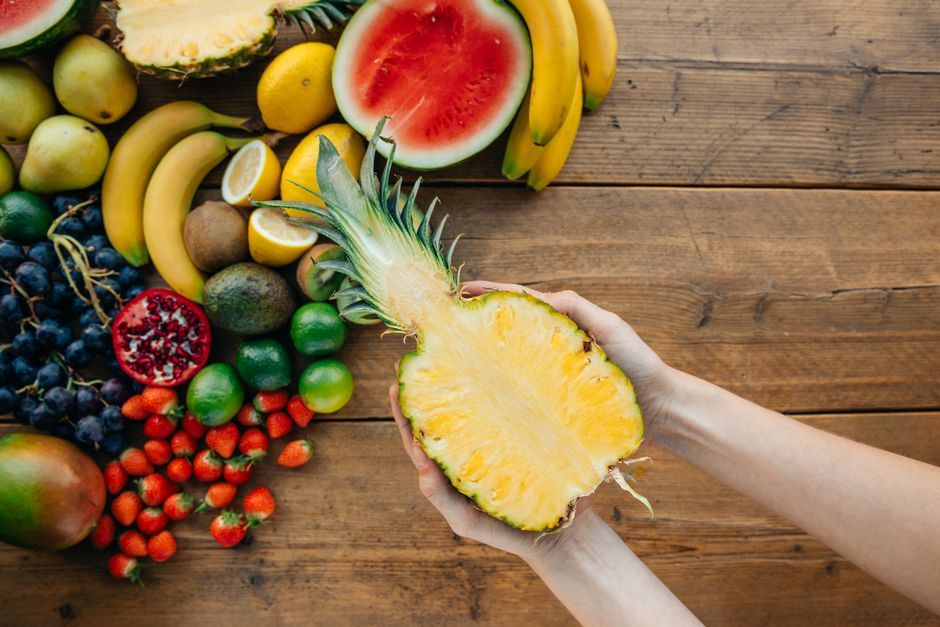
Stock photo for illustration only, not from the actual event
Understanding Glycemic Index (GI) and Glycemic Load (GL) is fundamental when selecting dietary options for individuals managing diabetes. Most low-sugar fruits naturally possess a low GI, meaning the body absorbs their sugars into the bloodstream at a much slower rate, preventing sharp post-meal blood sugar spikes. Substituting traditional desserts with these fruits helps maintain long-term insulin stability.
Even though these 10 fruits contain minimal sugar, maximizing their health benefits requires adherence to sound nutritional guidelines:
- Control Portions: Consume 3-5 portions daily (1 portion equals a medium-sized fruit, such as half a guava or one whole apple).
- Avoid Dips: Reduce or eliminate chili-salt, sweet fish sauce, or preserved plum powder to steer clear of excess sodium and hypertension risks.
- Opt for Fresh Fruit Over Juice: Citing World Health Organization (WHO) recommendations to consume at least 400 grams of fresh fruits and vegetables daily, juicing strips away essential fiber needed to slow down sugar absorption.
Choosing low-sugar fruits represents a clever step toward better health management. However, nutritional facts dictate that no single food item can supply every necessary nutrient on its own. Sustainable wellness relies on eating a balanced diet across all five food groups, coupled with regular physical activity and adequate rest.
Source: Thairath Lifestyle
Found something wrong in this article? Report an issue with this article
Comments
Leave a Comment