

Airports Boost Capacity While Cutting Carbon Emissions
Vancouver International Airport (YVR) and global hubs utilize digital twins to increase passenger capacity without new construction, aiming for net-zero operations by 2030.
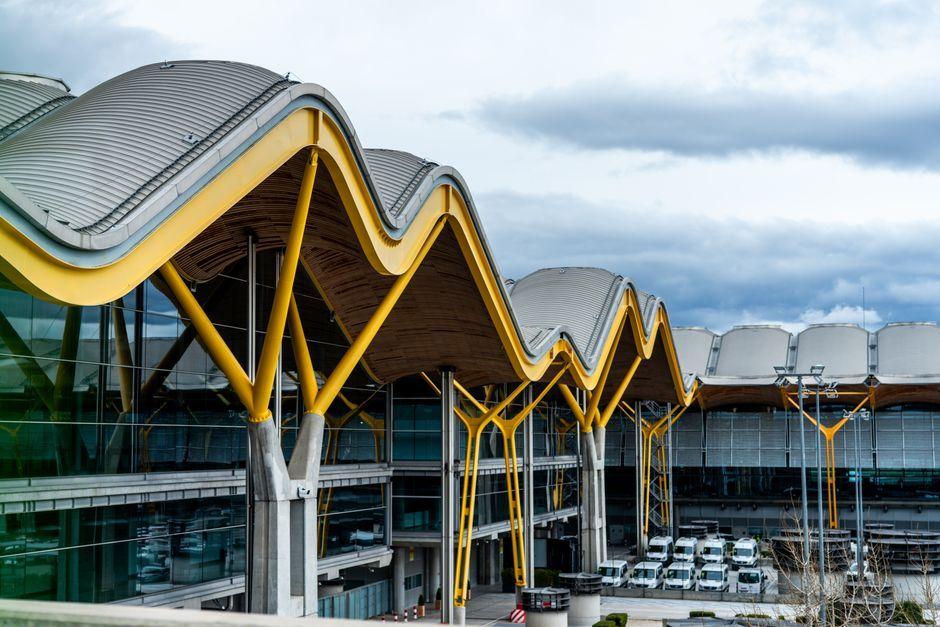
Stock photo for illustration only, not from the actual event
- Major airports prove passenger growth and net-zero carbon targets can progress simultaneously without massive new physical expansions.
- Digital twin technology helps analyze passenger and baggage flows to maximize the efficiency of existing terminal assets.
- Supply chain emissions (Scope 3), heavily dominated by airline flight operations, remain the sector's hardest challenge to tackle.
- Only 30 out of 661 accredited airports worldwide have successfully achieved the top-tier Level 5 Airport Carbon Accreditation status.
The global aviation industry is confronting a critical challenge: balancing soaring passenger demand with aggressive commitments to achieve net-zero carbon emissions. Rather than resorting to traditional infrastructure expansions, a growing number of airport operators are embracing smarter strategies to grow while minimizing environmental footprints.
Wendy Avis, environment director at Vancouver International Airport, universally known by its airport code YVR, emphasized that growth and climate objectives do not have to be mutually exclusive. The Canadian airport has committed to achieving net-zero emissions from its direct authority operations by 2030, which encompasses terminal buildings, ground fleets, emergency generators, refrigerants, and total electricity consumption.
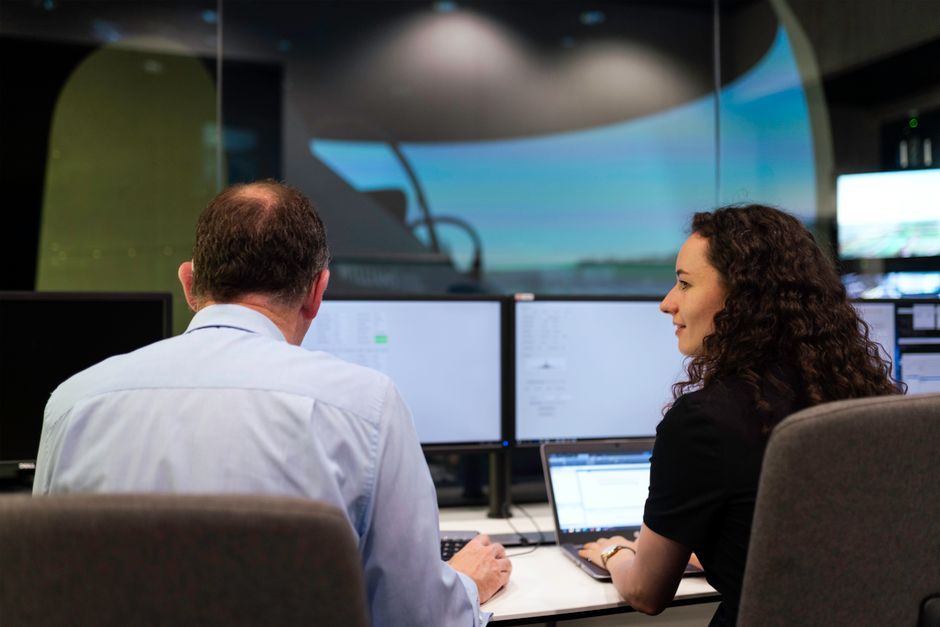
Stock photo for illustration only, not from the actual event
To accommodate rising passenger numbers without laying down new concrete, YVR relies heavily on digital twins—virtual computer models of the physical airport. Combined with advanced analytics, these systems monitor how passengers, luggage, aircraft, and ground assets circulate throughout the facility, pinpointing hidden capacity gains within existing infrastructure.
Digital twin technology serves as a transformative tool for modern infrastructure management, creating a real-time virtual replica to simulate scenarios without physical trial and error. For airports, optimizing passenger flow digitally drastically cuts down the substantial greenhouse gas emissions tied to heavy construction, steel manufacturing, and concrete production.
"In many cases, the most sustainable building is the one you don’t have to build. If we can accommodate more passengers through better use of our existing assets, we avoid the emissions associated with constructing"
Wendy Avis, Environment Director at Vancouver International Airport (YVR)
Despite significant strides in managing direct emissions under airport control through renewable energy adoption and fleet electrification, the broader industry faces a massive hurdle with Scope 3 emissions. These indirect supply chain emissions, driven overwhelmingly by commercial flights, represent the most complex footprint to reduce across the entire aviation ecosystem.
According to data from the Airport Carbon Accreditation program, out of 661 participating facilities worldwide, only 30 airports have attained the elite Level 5 certification status. Industry experts stress that deep, ongoing collaboration across airports, airlines, and supply chain partners is vital to achieving true long-term aviation sustainability.
Source: Skift
Found something wrong in this article? Report an issue with this article
Comments
Leave a Comment