

Argentina threatens sanctions on Falklands oil drillers
Javier Milei plans legislation to penalize British and Israeli energy firms over upcoming drilling at the Sea Lion field.
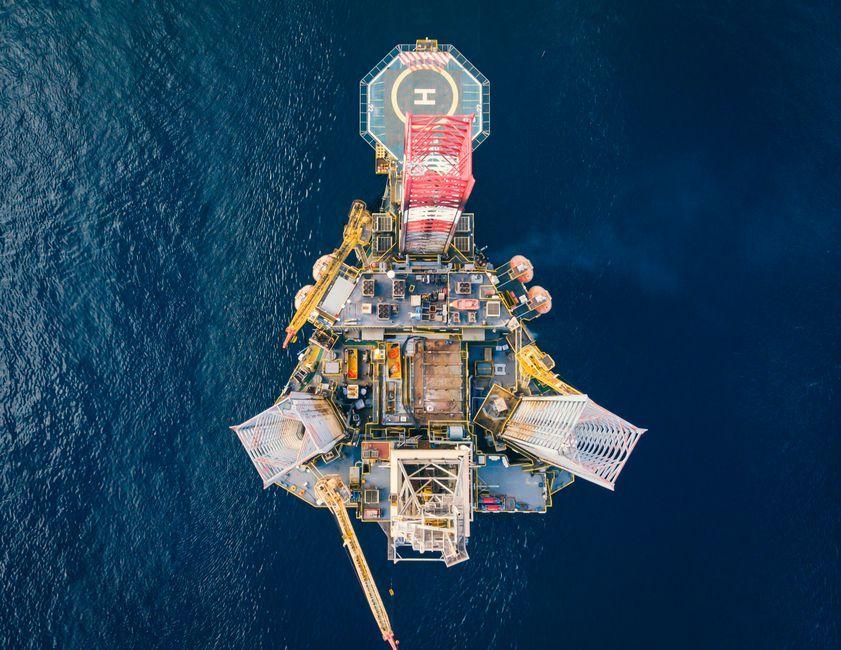
Stock photo for illustration only, not from the actual event
- Argentine President Javier Milei announced plans to sanction energy firms drilling near the Falklands.
- Firms targeted include Britain's Rockhopper Exploration and Israel's Navitas Petroleum.
- The Sea Lion oilfield holds an estimated 1.7 billion barrels of crude oil.
- Sovereignty over the archipelago remains fiercely disputed over 40 years after the 1982 war.
Argentine President Javier Milei has escalated regional tensions by announcing plans to introduce a bill in parliament aimed at imposing strict sanctions on energy companies that plan to conduct oil exploration off the coast of the Falklands, known in Argentina as Las Malvinas. Milei characterized the offshore energy projects as a clear and present danger that his administration will not allow to proceed unchecked.
At the center of the dispute is the Sea Lion oilfield, located approximately 130 miles from the islands, which is estimated to contain roughly 1.7 billion barrels of oil. Two major firms—Britain's Rockhopper Exploration and Israel's Navitas Petroleum—are scheduled to begin extracting crude from the site within the next two years. Navitas previously released footage highlighting infrastructure development on the islands, including a newly built dock, heliport, and worker accommodations.
Surrounded by his cabinet at the presidential palace, Milei reiterated his stance that the archipelago belongs historically and legally to Argentina. Meanwhile, local representatives in the capital of Stanley countered that their small community boasts a thriving economy and will remain British forever. Their position draws heavily from a 2013 referendum where 99.8% of island residents voted to stay a British overseas territory, with only three opposing votes cast.
"If we do not act swiftly in a few months, they will have the material capacity to access the oil that lies underneath our sea – something that has never happened before."
Javier Milei, President of Argentina
Stock photo for illustration only, not from the actual event
The diplomatic standoff touches upon decades of deep-rooted friction following the 1982 Falklands War, which began when Argentine forces landed on the islands and a British task force subsequently ejected them after a 74-day conflict. The war resulted in the deaths of 255 British military personnel, three islanders, and 649 Argentine soldiers. Lingering passions continue to surface in public events, such as when Argentine soccer players celebrated a victory over England by displaying a banner supporting their country's territorial claims.
President Milei's latest threats demonstrate a strategic use of nationalist sentiment regarding the Falklands to challenge multi-billion-dollar foreign investments in the South Atlantic. While existing Argentine legislation already provides frameworks to restrict unauthorized oil activities near the islands, the practical enforcement mechanisms and severity of these new proposed sanctions remain ambiguous. Nonetheless, the move serves as a high-profile warning to international energy operators navigating complex geopolitical waters.
In addition to the proposed energy sanctions, Milei outlined plans for a new naval base in Tierra del Fuego in southern Argentina, pointing to shifting geopolitical winds that he believes favor his nation's territorial ambitions. As international oil developers push forward with their extraction timelines, the longstanding sovereignty dispute remains a volatile pressure point between Buenos Aires and London.
Source: BBC Business
Found something wrong in this article? Report an issue with this article
Comments
Leave a Comment