

Bronze Age whale fossil discovered by 10-year-old boy
A 10-year-old boy discovered a Bronze Age whale skull fossil dating back 3,000 years at Portmuck Harbour in Northern Ireland alongside flint tools.
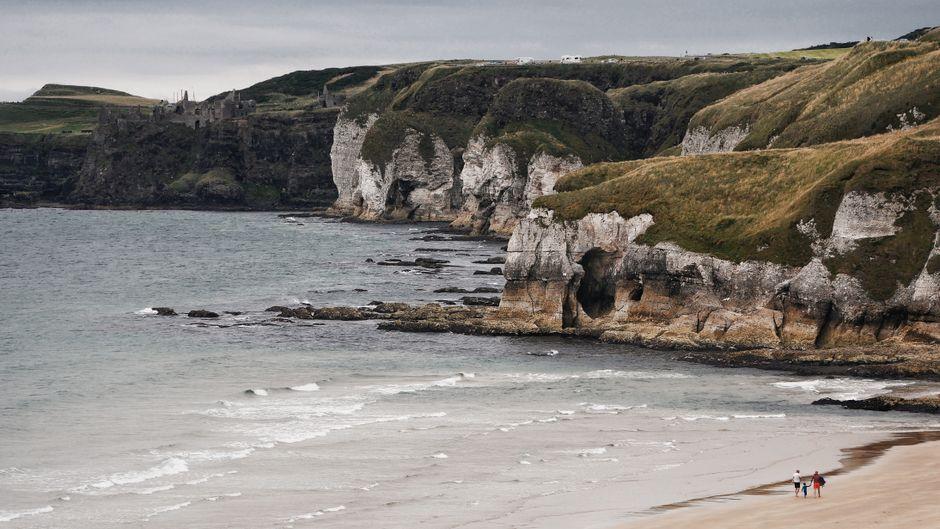
Stock photo for illustration only, not from the actual event
- A 10-year-old boy found an ancient whale skull fossil at Portmuck Harbour
- Experts estimate the fossil dates back around 3,000 years to the Bronze Age
- Flint tools were excavated alongside the skull, requiring weeks of careful cleaning
A remarkable discovery was made when 10-year-old George went fossil hunting along the shore at Portmuck Harbour in Islandmagee, Northern Ireland, and noticed unusual patterns protruding from an earth bank. The object was later confirmed to be the rear section of an ancient whale skull that had remained hidden beneath the ground for millennia.
Portmuck Harbour is the same beach where Ireland's only dinosaur bones were discovered in the late 19th century and the 1980s. Geologists and marine specialists have described the whale fossil as entirely unique, with the Natural History Museum in London assisting in identifying the prehistoric remains.
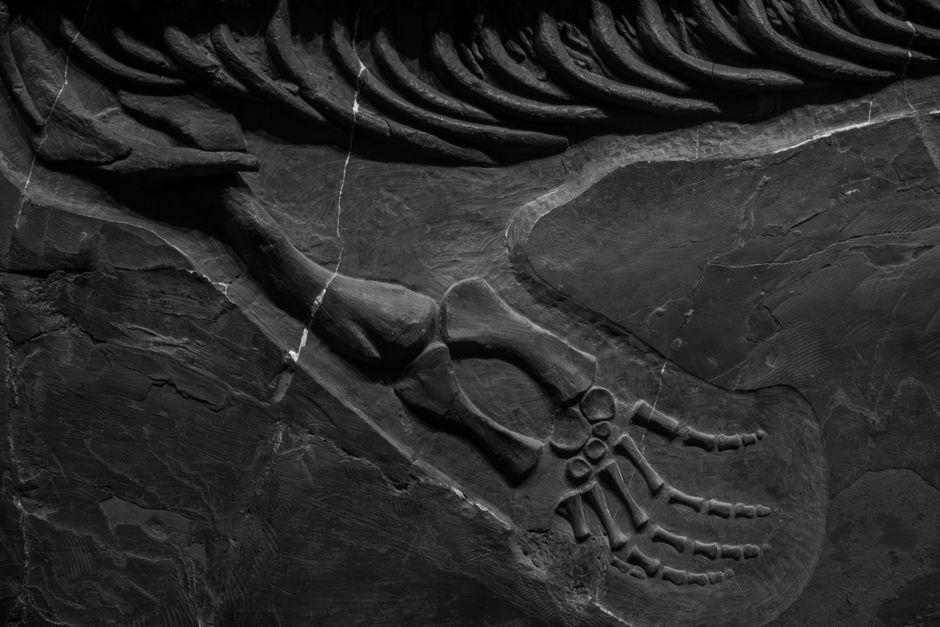
Stock photo for illustration only, not from the actual event
Katy McMonagle, one of the archaeologists who excavated the whale head, stated that the fossil was extremely heavy and difficult to move. The skull is now housed in a Belfast warehouse, where cleaning work is expected to take about a week before it is handed over to a marine specialist for deeper analysis.
"There will be painstaking work in cleaning the fossil and preparing it for a marine specialist who will be able to find out more about the creature."
Katy McMonagle
Geologist Ian Enlander from the Irish Whale and Dolphin Group expressed great excitement upon inspecting the fossil before its relocation, describing the find as a once-in-a-lifetime occurrence. While determining the precise age will take time, associated flint tools excavated alongside the fossil suggest it may have been buried in Islandmagee as long as 3,000 years ago.
The unearthing of ancient marine mammal remains alongside Bronze Age artifacts offers valuable insights into prehistoric human subsistence and coastal settlement patterns. Researchers examining whether the skull bears butcher marks or evidence of deliberate burial highlight how archaeological contexts can reveal ancient interactions between coastal communities and massive marine wildlife resources.
Enlander photographed a well-preserved section of the whale's ear, which could assist in carbon dating. He noted that finding a buried skull without any other skeletal remains presents a unique puzzle, raising the possibility that Bronze Age people may have utilized the rest of the body before deliberately preserving and burying the head.
Source: BBC Science & Environment
Found something wrong in this article? Report an issue with this article
Comments
Leave a Comment