

Northern Ireland renewable energy hits record 53%
Northern Ireland's renewable electricity rose to 53% in the year to June, surpassing the previous 2022 record, with wind power leading at 74%.
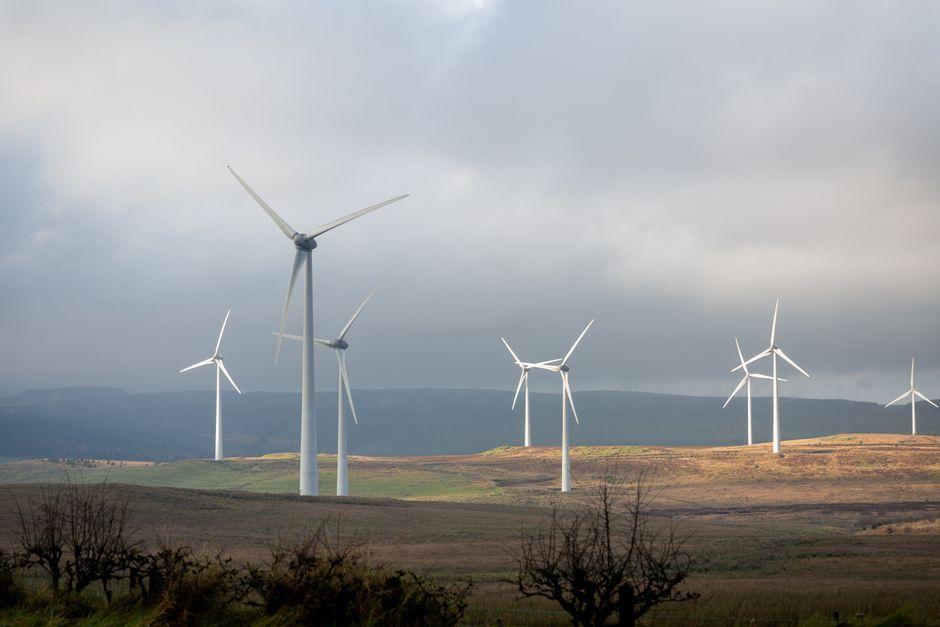
Stock photo for illustration only, not from the actual event
- Northern Ireland renewable electricity reached a record 53% in the year leading up to June, beating the 2022 figure.
- Wind power drove the transition, accounting for nearly three-quarters of all renewable generation at 74%.
- The Economy Minister emphasized that cleaner energy helps shield households and businesses from fossil fuel volatility.
Northern Ireland has achieved a historic milestone in its clean energy sector, with official figures showing that over half of its electricity supply, precisely 53%, originated from renewable sources during the year leading up to June. This impressive figure successfully eclipses the previous highwater mark of 51% established back in 2022.
Furthermore, for the very first time since January, renewable electricity generation has maintained a consistent lead over non-renewable generation. Even when factoring in imported electricity from outside regions, the volume of renewables matched the previous record of 50% originally set across the 2022 and 2023 period.
Breaking down the generation mix, almost three-quarters or 74% of renewable electricity was successfully harvested from wind turbines. Bioenergy operations, which encompass anaerobic digestion, incineration, and fermentation, accounted for just under one-fifth at 18%. Meanwhile, solar energy contributed 6%, landfill gas delivered 1%, and hydroelectric alongside tidal generation made up the remaining 1%.
"Move away from price volatility and towards more stable and fairer prices for the electricity we use."
Caoimhe Archibald, Northern Ireland Economy Minister
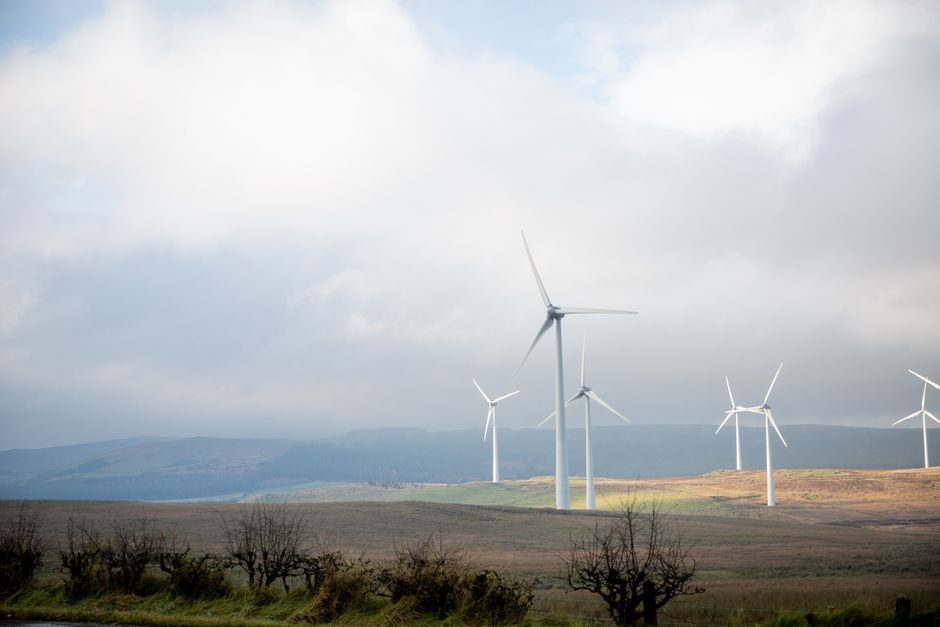
Stock photo for illustration only, not from the actual event
Economy Minister Caoimhe Archibald noted that the escalating share of renewable power will actively assist the region in steering clear of pricing unpredictability while guiding consumers toward more stable and equitable energy costs. She further pointed out that globally rising fossil fuel costs have imposed adverse economic pressures on both commercial enterprises and domestic households, particularly those operating on lower income brackets.
Efforts to expand renewable integration in Northern Ireland regularly encounter operational hurdles known as dispatch down events. These occur when network operators must deliberately deactivate wind turbines because power generation outpaces consumer demand at any given moment. Managing this constraint is critical to protecting grid infrastructure from severe electrical fluctuations while continuing the broader journey toward net-zero emissions.
Despite previous years experiencing temporary dips in renewable output largely dictated by fluctuating weather patterns, Northern Ireland remains firmly committed to achieving its ambitious target of generating 80% of its electricity from renewable sources by 2030 as part of the transition away from fossil fuels.
Source: BBC Science & Environment
Found something wrong in this article? Report an issue with this article
Comments
Leave a Comment