

IKEA 2026: Tiny Homes Showcase Urban Organization
IKEA installs 1:12 scale miniature homes in Melbourne and China, releasing the Store & Organise Report 2026 on global spatial habits.
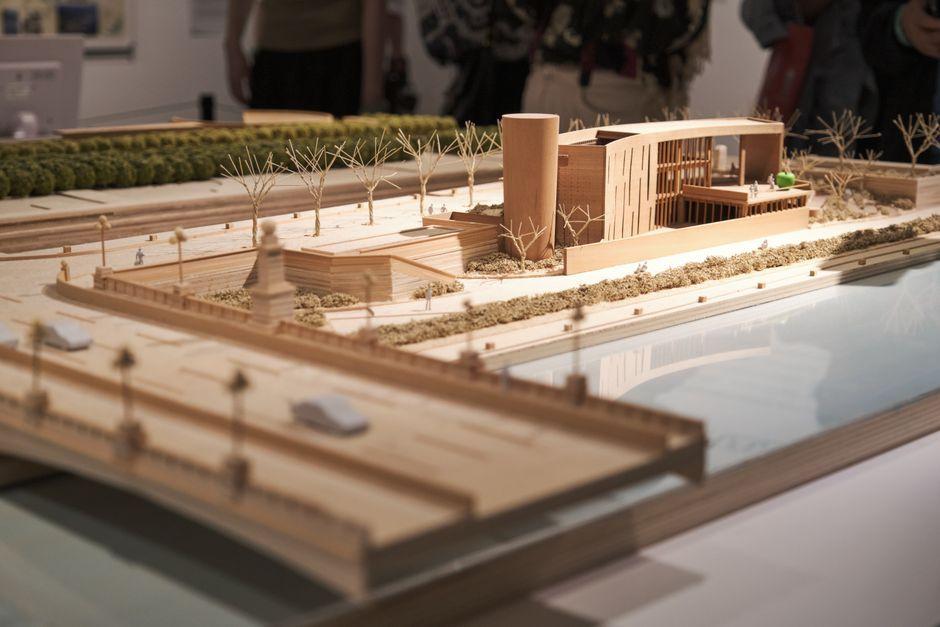
Stock photo for illustration only, not from the actual event
- IKEA installs 1:12 scale miniature homes in Melbourne, Chengdu, and Beijing
- Created in collaboration with Stockholm artist Christopher Robin Nordström
- Launches the IKEA open house initiative and the 2026 report
- Demonstrates flexible storage solutions for compact living spaces
IKEA has installed a series of handcrafted miniature homes across public locations in Melbourne, Chengdu, and Beijing. Created with Stockholm-based artist Christopher Robin Nordström, the detailed 1:12 scale models highlight how domestic environments maintain character within limited footprints. Modern homes are increasingly expected to perform beyond their original layouts, serving as workplaces, creative studios, classrooms, and sanctuaries within unchanged square footage, creating daily friction.
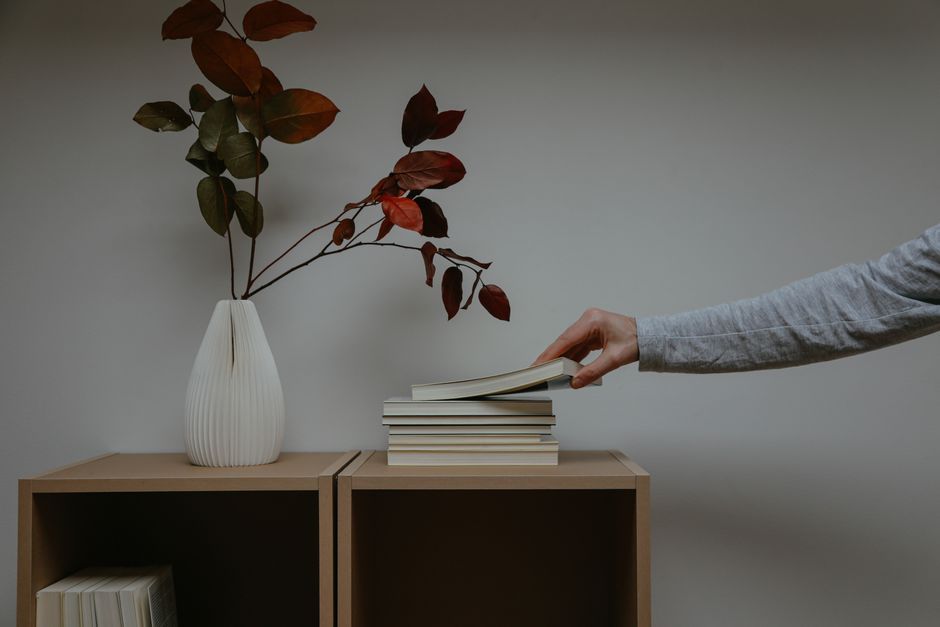
Stock photo for illustration only, not from the actual event
The miniature installations mark the launch of IKEA open house, a global initiative exploring how adaptable storage creates physical and mental room for daily domestic life. Inside each model, everyday furniture adapts to real living routines, featuring scaled icons such as the BILLY bookcase and METOD kitchen. Reframing storage beyond simple concealment, the Swedish company demonstrates how affordable, intuitive layout adjustments support daily life rather than enforce perfection, backed by key report findings:
Findings from the report reveal that inhabitants navigate two distinct environments simultaneously, balancing the actual lived-in interior with the curated version presented to guests. Kitchen countertops emerge as primary points of spatial friction, while concealed nooks absorb daily organization weight. Limited square footage also prompts unconventional habits, with 10% of homes worldwide, rising to 21% in South Korea, using ovens as supplementary storage.
IKEA's integration of miniature installations with behavioral research highlights a strategic shift toward addressing the psychological weight of modern domestic spaces. Shrinking urban footprints are not merely architectural challenges but emotional relationships with belongings, positioning the brand as a solution provider through empathetic storage systems.
These spatial compromises link directly to emotional retention. Globally, nearly 1 in 5 people keep unwanted gifts to avoid hurting feelings, while 26% admit to concealing mementos from past relationships, a behavior 6% more common among men. Domestic clutter also carries social consequences, with 10% canceling plans because their space felt too messy, and 34% shuffling clutter before guests arrive.
"Functional design should not force artificial perfection, but rather offer flexible solutions that allow people to live comfortably alongside what they treasure."
IKEA open house
Time spent searching for misplaced items varies by region, taking 15 minutes a day in the UK compared to 80 minutes in India. However, disorganization is not universally negative, as 15% view mess as a creative spark, jumping to 31% in China compared to 4% in Japan. Nordström’s models and the report demonstrate that home design should support personal history.
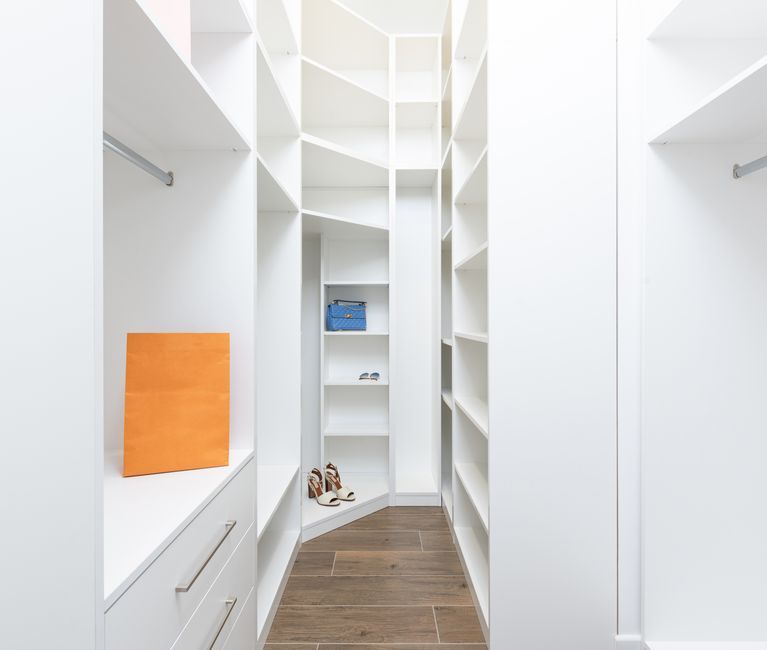
Stock photo for illustration only, not from the actual event
IKEA open house extends the experience into retail environments from late August through September across participating markets. Visitors can explore modular storage configurations and practical design solutions, with insights drawn directly from the Store & Organise Report 2026: Finding Meaning in the Mess.
Source: designboom
Found something wrong in this article? Report an issue with this article
Comments
Leave a Comment