

Ancient cave art links first humans in Ireland to Wales
International researchers discover cave art in south-west Ireland dating back at least 15,000 years, pushing back human presence by 5,000 years via an Ice Age land bridge.
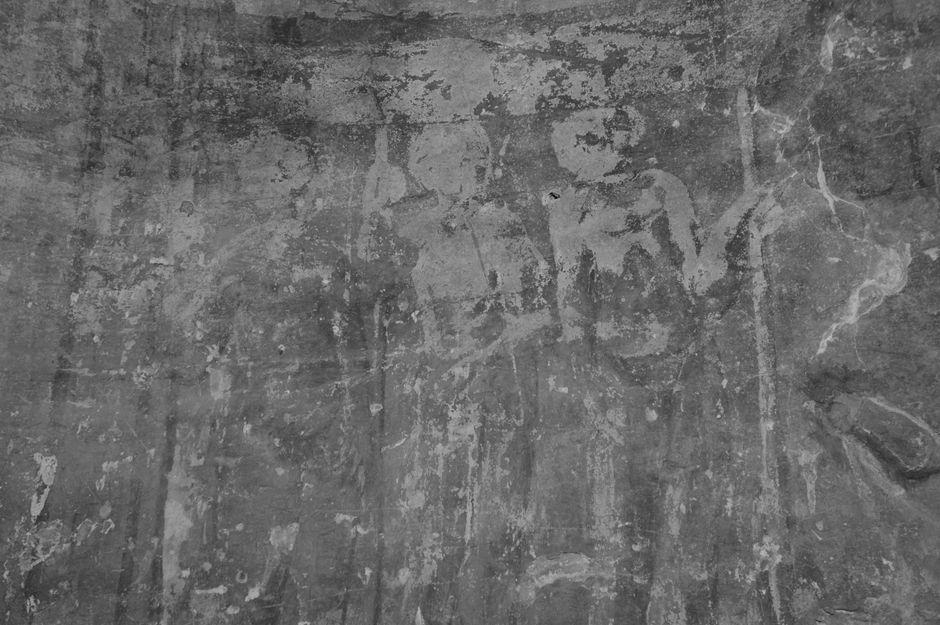
Stock photo for illustration only, not from the actual event
- International researchers discovered cave art across 8 sites in Ireland dating back at least 15,000 years.
- New evidence suggests the earliest humans in Ireland walked over from Wales via a lost land bridge during the Ice Age.
- Artificial intelligence (AI) computer algorithms were deployed to successfully predict and locate the cave sites.
The discovery of ancient cave art in Ireland is rewriting the history of prehistoric human migration, with researchers suggesting the first humans to set foot on the island originated from Wales. Dr. George Nash, a rock art expert from Liverpool University, led an international team that uncovered rock art dating back at least 15,000 years in south-west Ireland, pushing back the earliest known human presence on the island by roughly 5,000 years.
During the peak of the last Ice Age, massive continental glaciers covered much of the British Isles, causing sea levels to drop and exposing a lost land bridge between modern-day Pembrokeshire in Wales and Rosslare in south-east Ireland. Dr. Nash explained that this natural corridor offered an irresistible pathway for hunter-gatherers, featuring a forested and grassland plateau spanning approximately 46 miles or 76 kilometers coast-to-coast.
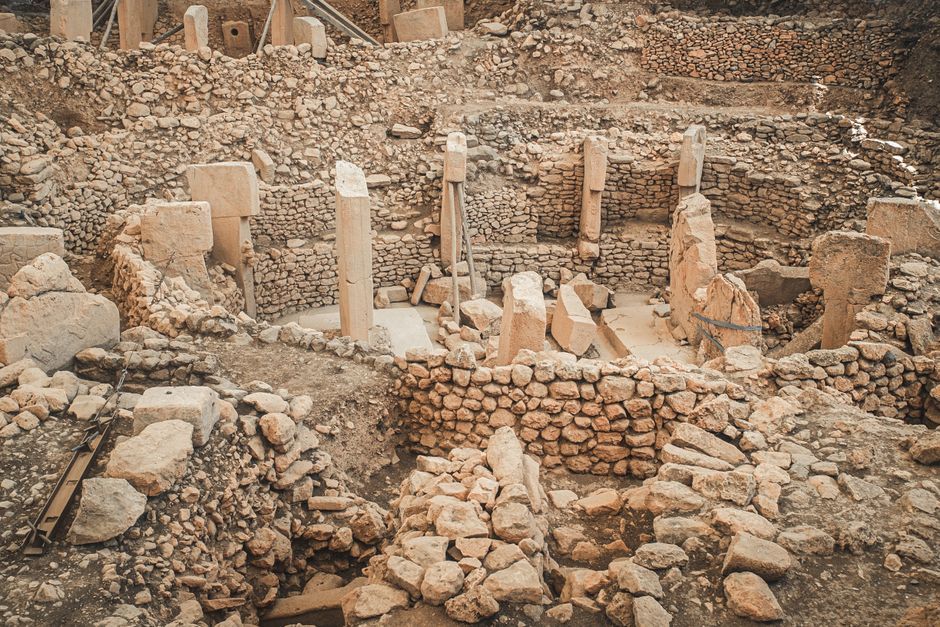
Stock photo for illustration only, not from the actual event
Despite summer temperatures plummeting between minus 10 and minus 20 degrees Celsius, the plateau sustained wild horses, mammoths, bison, reindeer, and other large herbivores that fed on hardy mosses and sedges growing in the near-frozen soil. The multi-disciplinary team, featuring academics from University College Dublin, the University of Adelaide, Dubai, Wales, and Portugal, identified rock engravings, ochre and charcoal paintings, and finger-fluted line sketches pressed into the cave clay.
"Up until now the earliest evidence archaeologists had found - through accidental discovery - was from around 10,500 years ago, but everyone - not just me - knew that simply couldn't have been correct."
A major turning point in the research was the integration of artificial intelligence. Dr. Nash teamed up with caving specialist Shane Diffily and digital mapping consultant Darren Lee to feed computer algorithms with data regarding the characteristics of prehistoric cave dwellings in south Wales. The computer model analyzed the data and spat out 28 potential cave locations in south-west Ireland, prompting targeted investigations that confirmed cave art in eight of those sites.
The application of artificial intelligence and predictive modeling in archaeological exploration represents a transformative shift in how researchers uncover hidden historical sites. Instead of relying on random chance or grueling blind fieldwork, algorithms can process geographic and structural parameters to pinpoint promising locations across vast terrains. This technological integration dramatically accelerates discoveries and opens new avenues for exploring prehistoric human migration patterns.
Out of an abundance of caution against vandalism and looting, the research team has kept the exact geographic coordinates of the caves strictly confidential. The identified art includes finger flutings made by children as an early form of interpretive initiation, alongside engravings on limestone walls. As population pressures mounted in Wales and cave dwellings grew intensely competitive, expanding family networks and refined animal-tracking skills ultimately drove these intrepid hunter-gatherers further north and west across the land bridge.
Source: BBC Science & Environment
Found something wrong in this article? Report an issue with this article
Comments
Leave a Comment