

Trump signs order to remove grey wolf protection
Donald Trump has signed an executive order to strip endangered species protections from grey wolves and Mexican wolves, drawing criticism from conservationists.
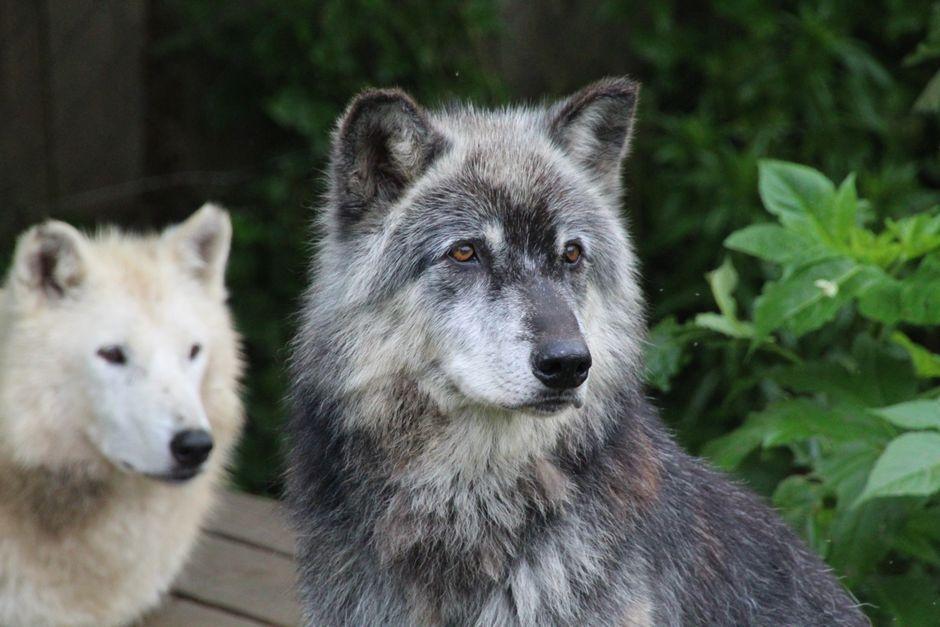
Stock photo for illustration only, not from the actual event
- Donald Trump signs executive order to remove endangered status for wolves
- US wild Mexican wolf population reached 319 in 2025, up from 4 in 1998
- Interior Secretary Doug Burgum given 90 days to review wolf populations
- Conservation groups warn the move threatens long-term recovery efforts
US President Donald Trump has signed an executive order aimed at removing endangered species protections for the grey wolf and its subspecies, the Mexican wolf. This decision comes as the administration seeks to lower record-high domestic beef prices driven by persistent drought conditions and parasite outbreaks within American cattle stocks.
However, conservation organizations have sharply criticized the move, arguing that it could derail decades of long-term efforts to recover endangered wolf populations in the wild. Figures from the US Fish and Wildlife Service (FWS) show there were 319 Mexican wolves in the wild in the US in 2025, a significant recovery from just four individuals when they were reintroduced back in 1998. Meanwhile, approximately 18,000 grey wolves currently roam across the United States, though they remain classified as endangered because human activity has destroyed the vast majority of their natural habitat.
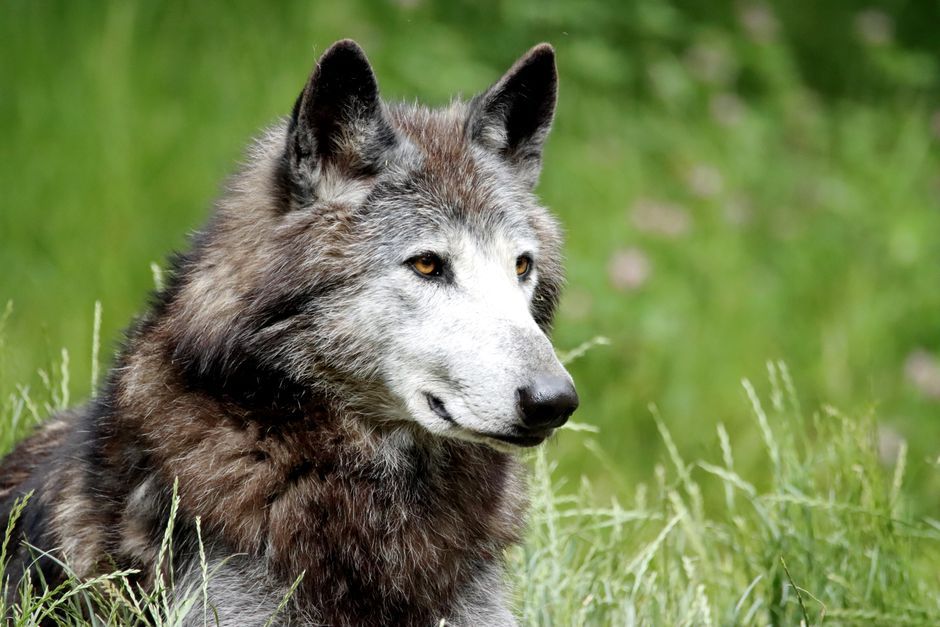
Stock photo for illustration only, not from the actual event
The executive order does not immediately grant ranchers a direct license to shoot wolves that prey on livestock. Instead, it directs Interior Secretary Doug Burgum to evaluate within 90 days whether both the grey wolf and Mexican wolf populations have sufficiently recovered to warrant being removed entirely from the endangered species list. Highlighting that US livestock herds are at a 75-year low while consumer beef demand has increased by 10% over the past decade, the order emphasized that additional support must be provided to the critical cattle industry.
Conversely, environmental groups point to previous studies indicating that wolf attacks on livestock remain exceptionally rare and exert minimal impact on overall ranchers' incomes. According to the Wolf Conservation Center, the current system allows ranchers to claim up to 100% compensation for any livestock losses caused by wolves, with individual states funding dedicated programs designed to deter attacks.
"More can and should be done to support this critical industry."
Donald Trump's Executive Order
The ongoing debate over wolf management in the United States highlights the persistent friction between agricultural economic interests and wildlife conservation goals. Following a historic US government extermination campaign in the late 19th century that nearly drove wolves to complete extinction, modern conservation frameworks have struggled to balance livestock protection with ecological restoration. The latest executive order underscores how broader macroeconomic pressures, such as soaring food inflation, can rapidly redirect federal environmental policy priorities.
Source: BBC Science & Environment
Found something wrong in this article? Report an issue with this article
Comments
Leave a Comment