

Leptospirosis Silent Threat: Not Just Floods, Pets Can Spread It
Warning on leptospirosis: contraction happens from damp mud and pets without floods, along with symptom warnings and proper prevention.
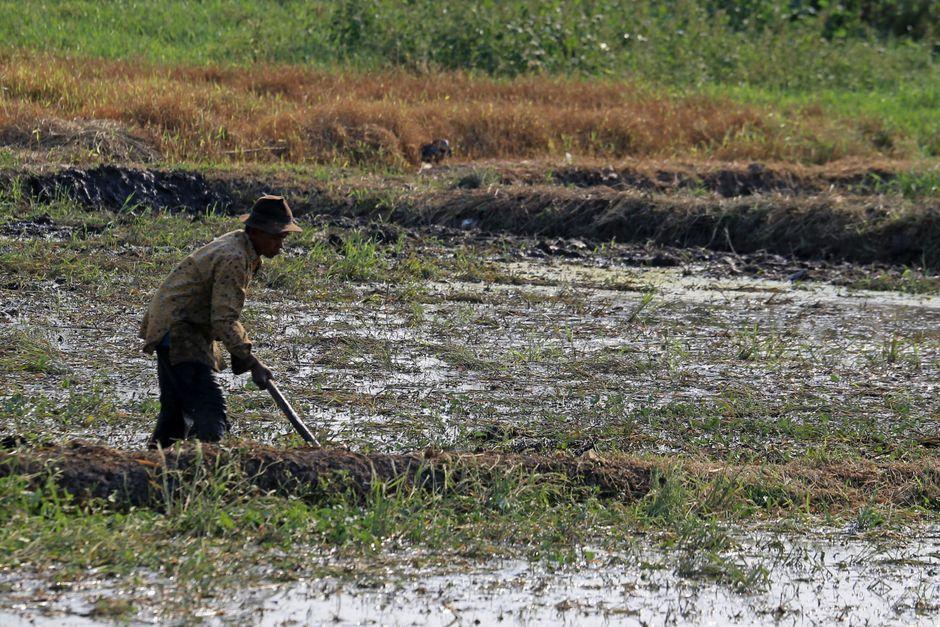
Stock photo for illustration only, not from the actual event
- Leptospira bacteria live in damp mud, wet grass, and bushes, not just flooded areas
- Most mammals, including dogs and cats, can act as carriers shedding bacteria in urine
- Asymptomatic carrier pets continuously shed bacteria for months without owners knowing
- Initial symptoms mimic the flu, but severe cases can cause kidney and liver failure
When discussing leptospirosis, many people immediately picture severe flooding. In reality, Leptospira bacteria can thrive and survive for several weeks in ordinary damp environments close to home, such as mud, bushes, wet grass, or piles of fallen leaves in the backyard. Simply walking barefoot through these areas or doing gardening work is enough to put individuals at risk.
Infection occurs easily through cuts, scratches, abrasions on the skin, or even the mucous membranes of the eyes, mouth, and nose. Everyday activities like watering plants or gardening are sufficient for the bacteria to enter the body without needing to wade through deep floodwaters.
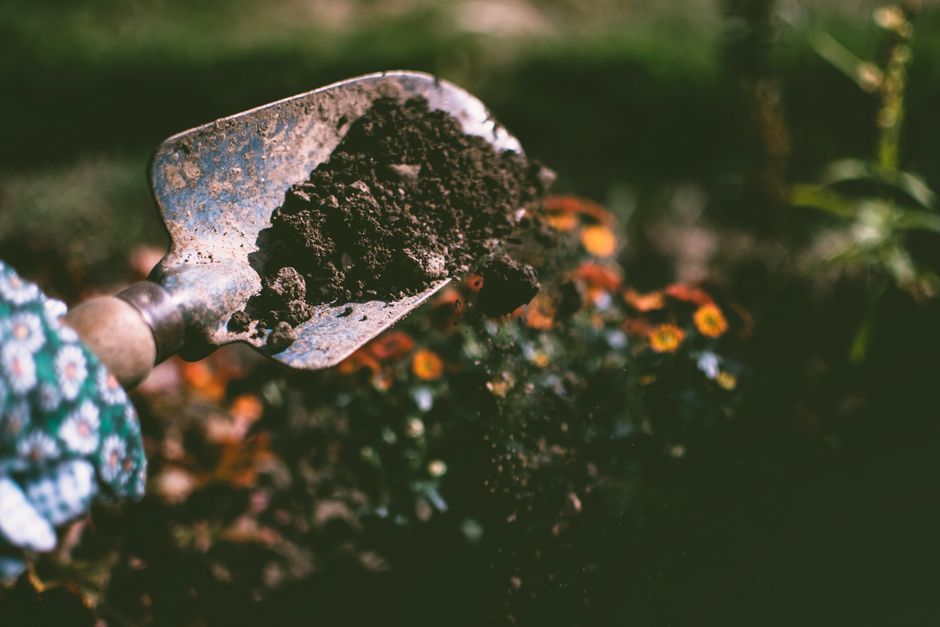
Stock photo for illustration only, not from the actual event
Furthermore, the common belief that the disease originates exclusively from rodents is misleading. From an epidemiological standpoint, almost all mammal species can act as vectors. Close household pets like dogs and cats, as well as livestock such as cattle, water buffalo, and pigs, can contract the infection and shed the bacteria through their urine. Dogs that roam outdoors are particularly prone, and when they urinate on lawns, floors, or cages, owners face direct exposure risks when cleaning or handling the animals.
Additional Context: Leptospirosis is a widespread zoonotic disease in tropical regions. The ability of the bacteria to survive in damp soil means risks persist long after rainfall stops. Recognizing that household pets can serve as silent transmission sources is vital for effective prevention.
Wearing rubber boots is a fundamental precautionary measure, but it does not guarantee complete safety if post-use hygiene is neglected. Touching mud or water residues on boots with bare hands while removing them, allowing droplets to splash onto exposed skin, or touching food and rubbing eyes with contaminated hands allows bacteria to easily enter through mucous membranes.
Many dogs and pets infected with the disease may not show severe symptoms, exhibiting only mild signs such as lethargy, loss of appetite, low fever, or slightly darker urine, which owners often mistake for normal fatigue. This condition is known as an asymptomatic carrier state, where pets continuously shed bacteria through urine for several months, turning the home environment into a contamination zone without the family's knowledge.
The early stages of leptospirosis often mimic common viral infections such as influenza or dengue fever, leading many patients to self-medicate and rest at home, resulting in delayed treatment as the bacteria spread to vital organ systems. Key symptoms include:
- Sudden high fever accompanied by chills
- Severe muscle pain, particularly in the calves, back, and thighs
- Red eyes, severe headaches, and sensitivity to light
- Yellowing of the eyes and skin (jaundice) as the disease progresses
If left untreated with appropriate antibiotics, the bacteria can destroy liver and kidney systems, leading to acute renal failure or multi-organ failure, which can be fatal.
Source: Thairath Lifestyle
Found something wrong in this article? Report an issue with this article
Comments
Leave a Comment