

5 Health Foods for Adults 45+ That May Spike Cholesterol
Adults aged 45 and older should watch out. Five popular health foods hide high saturated fats and sugars, spiking cholesterol levels.
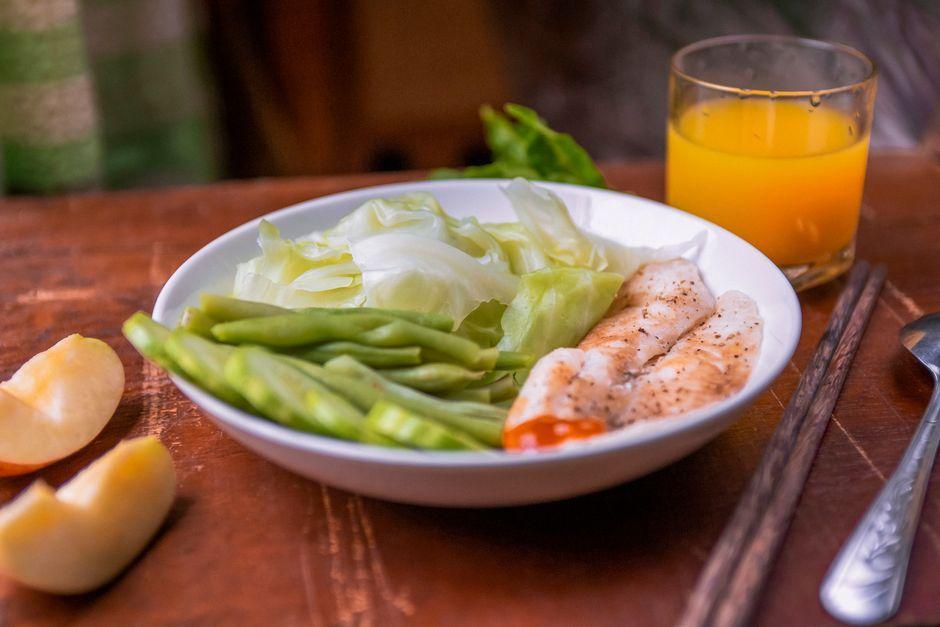
Stock photo for illustration only, not from the actual event
- Adults 45+ experience lower estrogen, slowing the liver's ability to clear bad LDL cholesterol.
- Five common health foods can secretly pack high levels of saturated fats and added sugars.
- Always read nutrition labels and avoid snacking directly from food packaging.
- Experts recommend checking blood lipid levels at least once a year.
Entering the age of 45 to 50 brings significant hormonal shifts, particularly a drop in estrogen. This hormone plays a vital role in prompting the liver to clear bad cholesterol or LDL from the bloodstream, meaning lower levels slow down fat removal.
At the same time, the body's baseline metabolism naturally declines alongside decreasing muscle mass. Consequently, excess calories easily convert into stored fat, allowing even a slight surplus of saturated fats or sugars to rapidly elevate blood lipid levels.

Stock photo for illustration only, not from the actual event
Five health-oriented food items that adults aged 45 and above need to approach with caution include:
- Fresh fruit juices: Despite vitamins, fiber removal leaves concentrated fructose that the liver turns into triglycerides and bad fats.
- Granola cereals: Often baked with coconut or vegetable oil for crispness and loaded with syrups and sugars.
- Plant-based milks with coconut or palm oil: High in saturated fats that can accumulate cholesterol if consumed regularly.
- Vegetable oils heated for long periods: High polyunsaturated oils used in prolonged frying alter chemically into undesirable fats.
- Crispy vegetable chips and grain snacks: Vacuum-fried and seasoned with sodium and saturated fats, making overconsumption easy.
Managing nutrition during middle age is not about starving, but adapting cooking and eating habits to a slower metabolism. Careful label reading serves as a critical defense against hidden fats that threaten long-term cardiovascular health.
Practical adjustments involve portion control, avoiding direct package snacking, switching cooking methods to boiling, steaming, or baking, and increasing soluble fiber intake from oats, beans, apples, and dragon fruit to trap cholesterol.
Since high cholesterol rarely shows early symptoms, checking lipid profiles at least once a year is crucial for tracking HDL, LDL, and triglycerides. Early detection allows timely lifestyle adjustments and proper medical guidance.
Source: Thairath Lifestyle
Found something wrong in this article? Report an issue with this article
Comments
Leave a Comment