

BBC News presenter Maryam Moshiri reveals blood cancer
BBC News anchor Maryam Moshiri revealed she has been living with polycythaemia vera (PV), a rare blood cancer, diagnosed in November 2024.

Stock photo for illustration only, not from the actual event
- BBC News anchor Maryam Moshiri announced she is living with rare blood cancer PV
- Her diagnosis came in November 2024 following routine blood tests by her GP
- The condition causes excess red blood cells, increasing the risk of dangerous clots
- She now manages the condition via NHS immunotherapy while continuing her reporting
BBC News chief presenter Maryam Moshiri has publicly shared her personal health battle, revealing that she is living with a rare form of blood cancer. The prominent anchor chose to disclose her diagnosis in order to raise greater public awareness about the condition after quietly managing her illness alongside her demanding career.
Moshiri, who began her career with the BBC in 2003 and stands as one of the broadcaster's most recognizable faces, was diagnosed in November 2024 with polycythaemia vera (PV). While this rare blood cancer cannot be cured, medical professionals can manage it effectively. The condition forces the body to generate an excessive amount of red blood cells, resulting in blood that is noticeably thicker than normal and elevating the danger of blood clots that could trigger strokes, heart attacks, or deep vein thrombosis (DVT).
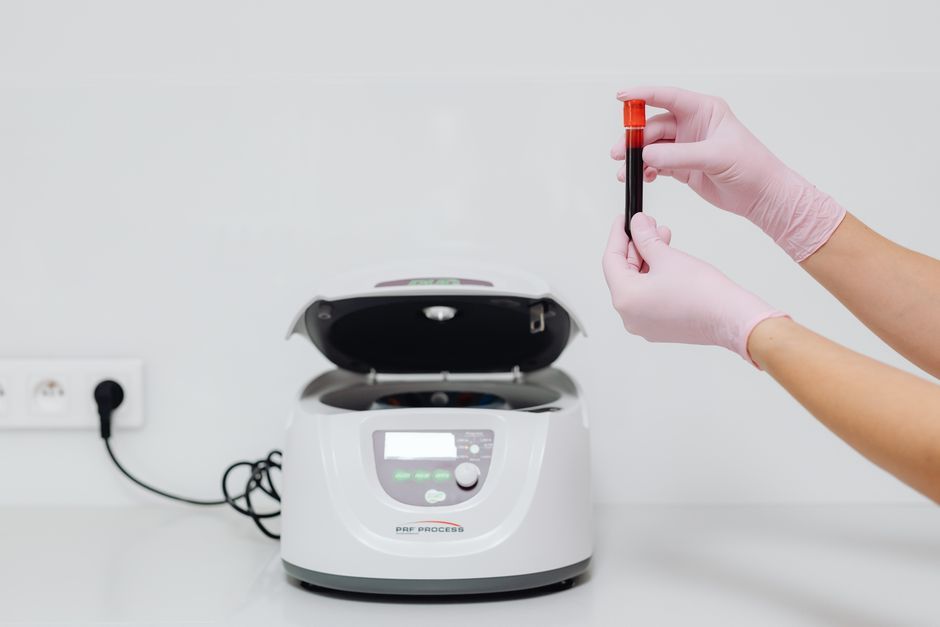
Stock photo for illustration only, not from the actual event
Common symptoms associated with the disease involve frequent headaches, confusion, dizziness, and blurred vision. Nevertheless, Moshiri noted that she initially experienced virtually no warning signs at all, highlighting a major obstacle in detecting the illness early.
"I was told by my consultant that I have this incurable blood cancer. Mostly I had no symptoms and that's one of the problems with this disease. The only reason mine was caught was because my GP was so fastidious in the way she did my routine blood tests and immediately sent them for further diagnosis."
During the early phases of her medical journey, Moshiri underwent a series of grueling, hour-long venesection procedures. This technique extracts blood through a needle inserted into an arm vein to gradually reduce blood thickness. Although effective, the recurring treatments caused her iron levels to plummet and left her severely fatigued, alongside side effects such as hair loss and widespread body itching. She subsequently transitioned to an interferon immunotherapy treatment administered through the UK's National Health Service (NHS), which helped stabilize her condition.
Polycythaemia vera (PV) belongs to a category of slow-growing bone marrow disorders known as myeloproliferative neoplasms. Often linked to mutations in the JAK2 gene, the condition causes the bone marrow to overproduce blood components. Because the disease progresses gradually, patients can live for years without noticing symptoms, making routine blood work vital for early detection and for managing thrombosis risks.
Balancing her illness with motherhood, the mother of three—Iris, 13, Vivienne, 11, and Caspian, 9—has had to adapt her routine, occasionally missing family milestones due to exhaustion. Despite facing persistent fatigue, Moshiri has continued traveling globally over the past two years to cover major international stories for the BBC. Her assignments included broadcasting from Qatar during the early stages of the US-Israel conflict with Iran, covering the selection of a new Pope at the Vatican, and traveling to Greenland for Vice-President JD Vance's visit.
Moshiri credits her supportive husband Jonathan, BBC management, and her children for helping her through the ordeal. Meanwhile, advocacy groups like Blood Cancer UK emphasize that blood cancers often act as "silent" diseases with vague symptoms, underscoring the urgent need for continued research funding to develop kinder treatments with fewer side effects for patients balancing work and family life.
Source: BBC Health
Found something wrong in this article? Report an issue with this article
Comments
Leave a Comment