

Air India Names Tewolde Gebremariam New CEO
Air India transitions leadership from Campbell Wilson to Tewolde Gebremariam, focusing on safety, operational reliability, and profitability.
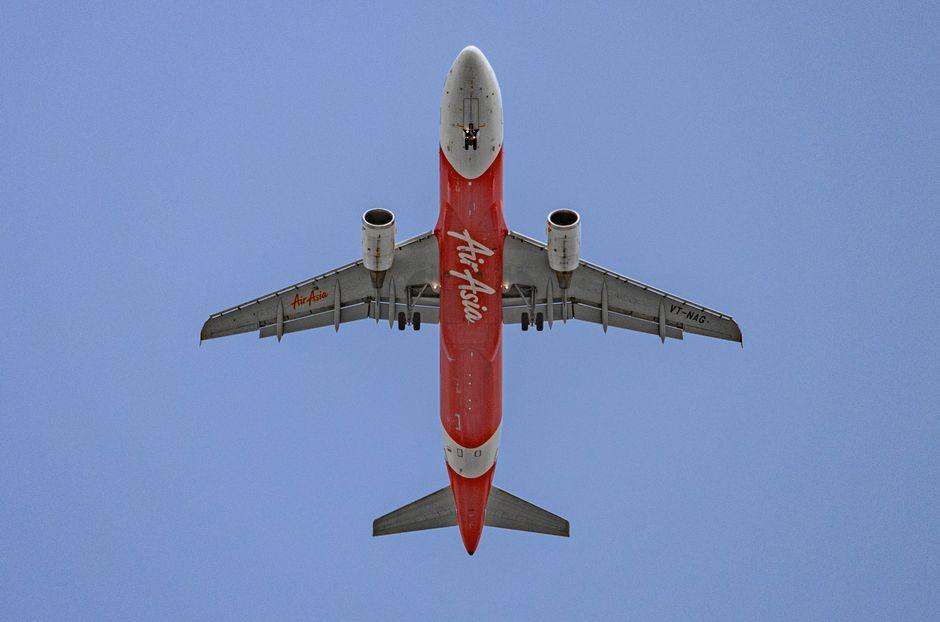
Stock photo for illustration only, not from the actual event
- Air India has formally transitioned leadership from Campbell Wilson to incoming chief Tewolde Gebremariam, former Ethiopian Airlines CEO.
- Chairman N. Chandrasekaran outlined four core priorities: safety, customer trust, reliable operations, and cost control.
- The Air India Group posted an estimated $2.3 billion loss in fiscal 2026, alongside a conditional $1.1 billion funding injection.
Air India officially transferred its top leadership during an employee town hall meeting on Monday, marking the handover from outgoing chief executive Campbell Wilson to incoming CEO Tewolde Gebremariam. The leadership change places the former Ethiopian Airlines executive at the helm of India's flag carrier as it navigates a critical juncture under the ownership of the Tata Group.
Addressing employees at the gathering, Air India Chairman N. Chandrasekaran emphasized that the airline's next phase of development will be evaluated based on four distinct pillars: safety, customer trust, reliable operations, and tighter cost management. This changing of the guard arrives after more than four years of intensive rebuilding efforts following the Tata Group's acquisition of the carrier in 2022, a period that encompassed massive aircraft orders, cabin retrofits, technology upgrades, and the integration of Vistara along with other regional airlines.
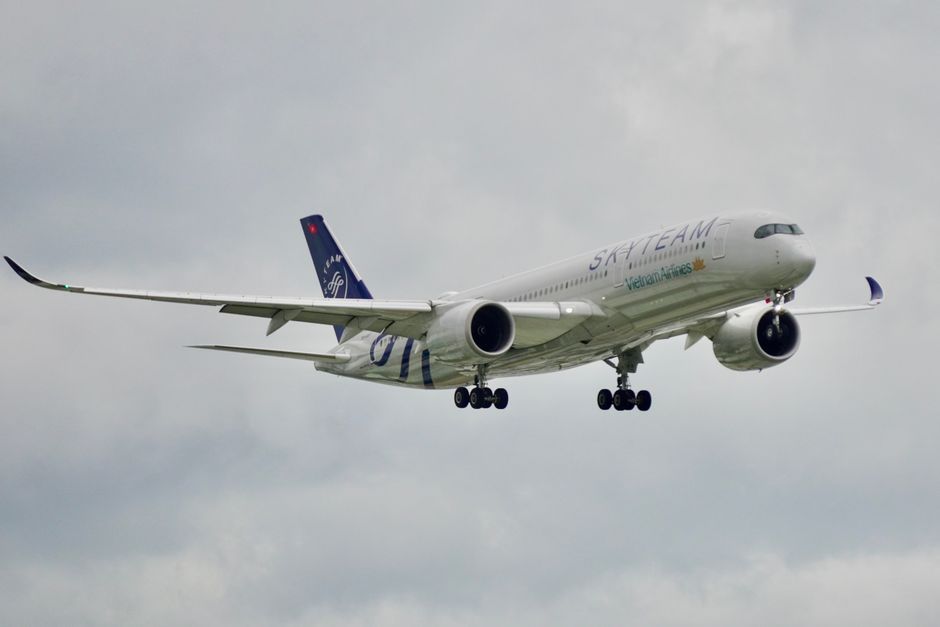
Stock photo for illustration only, not from the actual event
The incoming management team faces a formidable operational and financial landscape. The Air India Group recorded a loss of approximately $2.3 billion in fiscal 2026, accompanied by a nearly 9 percent drop in revenue. These financial strains stem from elevated fuel expenses, persistent aircraft delivery delays, and geopolitical bottlenecks such as the closure of Pakistani airspace. Furthermore, aviation safety has emerged as an absolute imperative in the wake of the fatal AI171 crash and a subsequent hydraulic malfunction, prompting parent owners Tata Sons and Singapore Airlines to prepare a staged $1.1 billion financial rescue package tied strictly to performance milestones.
"The next phase will be judged on four things: safety, customer trust, reliable operations and tighter control of costs."
N. Chandrasekaran
While Campbell Wilson established the strategic foundation and executed complex mergers, Gebremariam's mandate focuses squarely on making the expanded and integrated airline operate reliably and profitably. This turnaround is now measured in years rather than months, a timeline further complicated by Chandrasekaran's scheduled departure as Tata Sons chairman in early 2027.
This leadership transition highlights a decisive shift for Air India from an era of aggressive expansion and corporate restructuring toward an era of strict operational discipline. Operating a vastly enlarged global carrier requires moving past fleet size milestones to resolve deep-seated reliability and safety challenges, especially as investors demand concrete financial accountability following years of heavy capital expenditure.
Source: Skift
Found something wrong in this article? Report an issue with this article
Comments
Leave a Comment