

The Prehistoric Species Fighting for Survival in Lough Neagh
Eel fisheries in Lough Neagh face strict closures and environmental pressures, threatening a resilient creature that has survived ice ages.
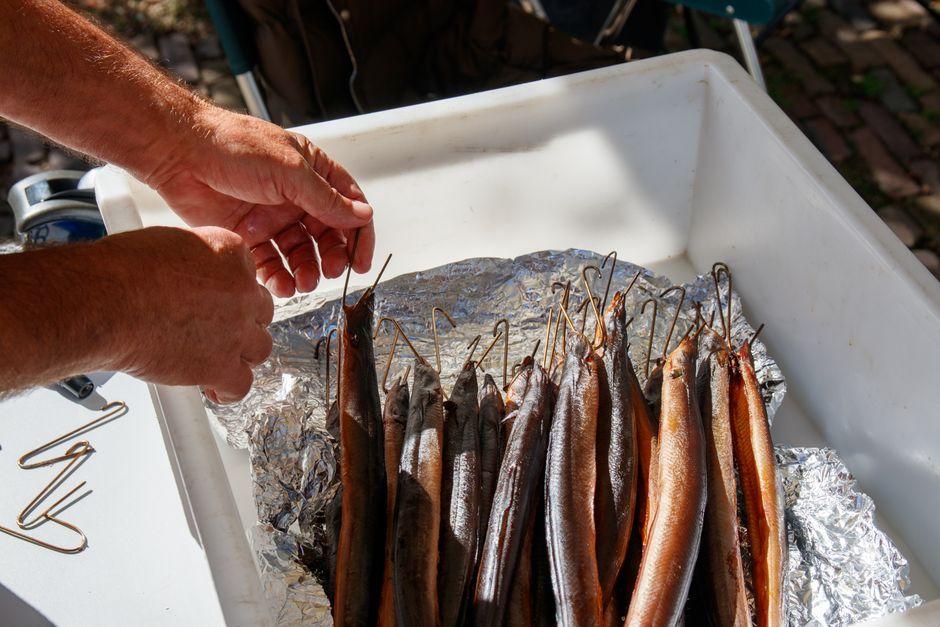
Stock photo for illustration only, not from the actual event
- Yellow eel fishing in Lough Neagh has been closed for this year and the next two years.
- Only a minimal quota of 25 tonnes of fully mature silver eels may still be caught.
- Local fishermen who rely on the catch for their income are waiting for financial support from Stormont.
- The European eel is now officially classified as a critically endangered species.
Lough Neagh in Northern Ireland was once celebrated for producing the region's first product to secure Protected Geographical Indication (PGI) status from the EU. However, the outlook for its famous eel population has darkened dramatically, with no yellow eels permitted to be caught on the lough this year or for the following two years due to the fishery's closure.
Under the new restrictions, only a minimal amount capped at 25 tonnes of fully mature silver eels may be caught through the Lough Neagh Fishermen's Co-operative. Individuals who depend on eel fishing for the bulk of their earnings are now waiting to hear what support packages might be delivered by Stormont, while pointing their fingers directly at mounting environmental pressures within the water body.
This prehistoric creature has successfully survived ice ages, the catastrophic asteroid impact that drove dinosaurs to extinction, and continental drift. Scientists understand that the European eel initiates its life cycle in the Sargasso Sea off the east coast of the United States, although researchers have never actually witnessed its reproductive behaviour in the wild.
Stock photo for illustration only, not from the actual event
Young eels cross the Atlantic Ocean as one-year-old fish, drifting on currents for up to three years before reaching the freshwater lakes of Europe. As they travel from coastal estuaries into habitats like Lough Neagh and Lough Erne, they transform into transparent glass eels, subsequently turning into elvers before disappearing into deeper waters for up to two decades.
การทำความเข้าใจวัฏจักรชีวิตของปลาไหลยุโรปถือเป็นกุญแจสำคัญในการจัดการประมง เนื่องจากพวกมันใช้เวลาเกือบตลอดชีวิตในแหล่งน้ำจืดก่อนจะเดินทางกลับไปผสมพันธุ์เพียงครั้งเดียวในชีวิตที่ทะเลซาร์กัสโซ การปิดประมงชั่วคราวและการจัดการเส้นทางอพยพจึงเป็นเครื่องมือทางกฎหมายและวิทยาศาสตร์ที่ช่วยพยุงไม่ให้ประชากรปลาไหลสูญพันธุ์ไปจากระบบนิเวศยุโรป
"You can point to a whole host of factors such as zebra mussel, climate change, whatever else. We can see very clearly our Lough Neagh fly is down, the pollution is up."
Gary McErlain
Gary McErlain represents the seventh generation of his family to fish for eels on Lough Neagh. Contemplating the future brings deep emotional weight for him and other permit holders who are affected by the temporary closure. Andrew Muir, the Agriculture Minister, announced these new regulatory measures last month based on strict scientific recommendations to ensure the long-term recovery of critically endangered stocks.
Source: BBC Science & Environment
Found something wrong in this article? Report an issue with this article
Comments
Leave a Comment