

Jaguar Land Rover to cut 4,000 jobs over two years
Jaguar Land Rover announces 4,000 job cuts over the next two years to save £1.7bn amid stiff Chinese competition and US tariffs.
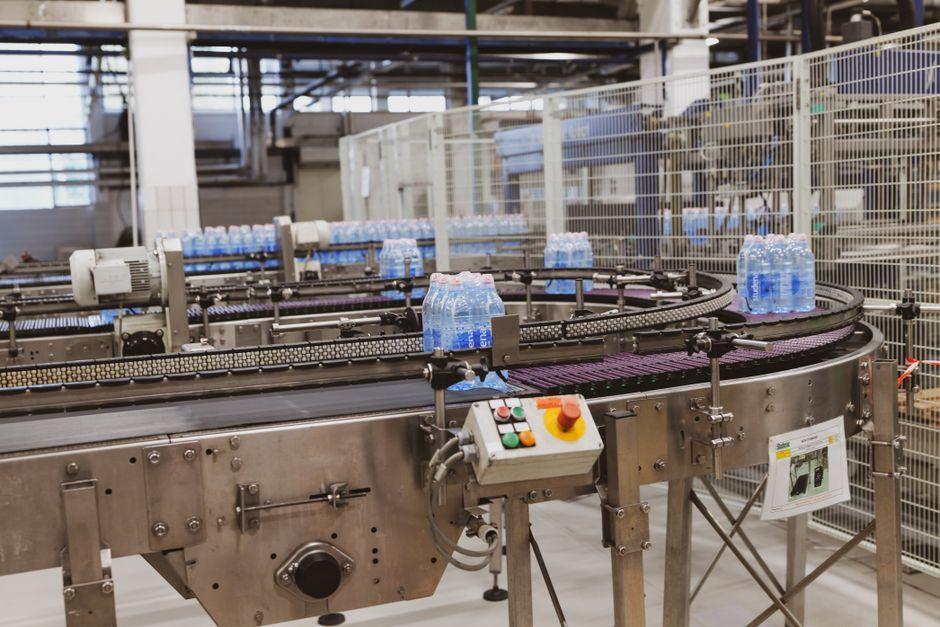
Stock photo for illustration only, not from the actual event
- Jaguar Land Rover will cut 4,000 jobs over the next two years
- The restructuring aims to achieve £1.7bn in cost savings
- The firm faces pressures from Chinese rivals, US tariffs, and EV transition
British carmaker Jaguar Land Rover (JLR) is set to eliminate 4,000 jobs over the next two years, with the majority of the redundancies impacting its head office in the UK. The company currently employs 43,000 people globally.
Chief Executive PB Balaji stated that the firm is committed to supporting everyone affected with care and fairness. JLR has opened a voluntary redundancy window until October 4, though compulsory redundancies with less generous terms may follow if necessary.
The carmaker's long-term challenges were exacerbated by a cyberattack last year that halted production for over a month. Additionally, JLR has lost sales ground to Chinese competitors and suffered from US tariffs under President Donald Trump, as the firm lacks a manufacturing plant in the United States.
Stock photo for illustration only, not from the actual event
"The automotive industry faces significant challenges, with technological change amidst intense competition and ongoing geo-political uncertainty."
Stock photo for illustration only, not from the actual event
This major restructuring at Jaguar Land Rover highlights the profound difficulties traditional European automakers face. Balancing the costly transition to electric vehicles alongside mounting geopolitical tensions, supply chain disruptions from cyber incidents, and aggressive pricing from Chinese EV manufacturers has squeezed profit margins across the legacy automotive sector.
Chief Treasury Secretary Emma Reynolds noted that the government is closely collaborating with company leadership and trade unions, while industry stakeholders continue to debate domestic environmental regulations like the ZEV mandate.
Source: BBC Business
Found something wrong in this article? Report an issue with this article
Comments
Leave a Comment