

3-Day Trip Budget Guide: Smart Tips for Cheap Travel
Discover a 4-part budget formula for a 3-day 2-night trip, featuring advance booking tricks and money management apps for stress-free travel.
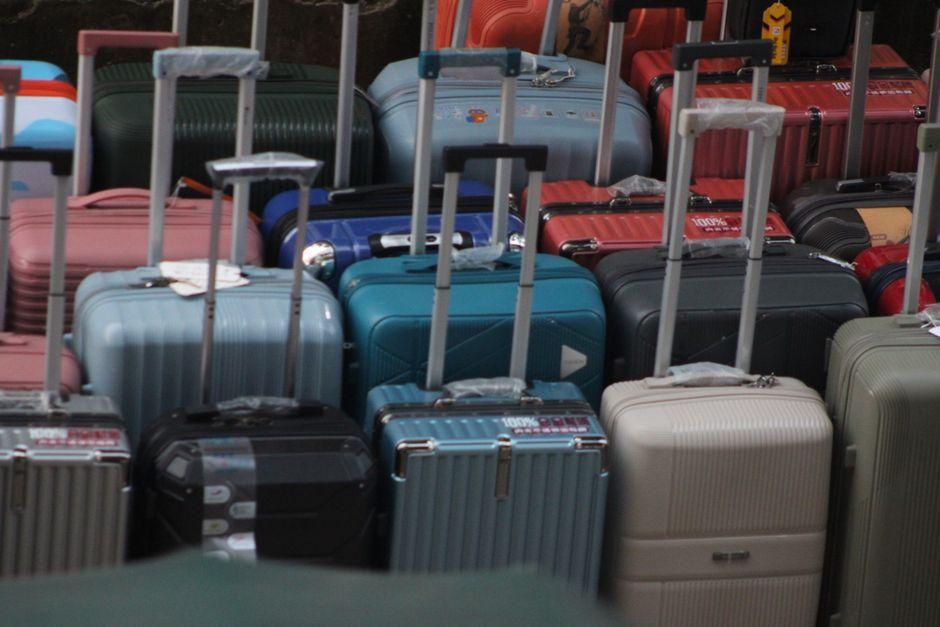
Stock photo for illustration only, not from the actual event
- Allocate budget into 4 main parts: Transport 30%, Accommodation 30%, Food & Activities 25-30%, Emergency 10-15%
- Book flights and hotels 2-4 weeks in advance or travel on weekdays to save 20-40%
- Use mobile apps like Splitwise and TravelSpend to maintain financial discipline during the trip
- Always check hidden costs such as parking fees and service charges before making payments
Managing financial allocation for short getaways like a 3-day 2-night trip is the key to precise spending control, preventing overspending, and eliminating financial anxiety after returning home. An effective budget management formula starts by dividing funds into four primary categories, ensuring that spending in one area does not drain resources from the rest.
The recommended budget proportions consist of 30% for transportation covering flights, fuel, tolls, or public transit, 30% for two nights of accommodation aligned with your travel style, 25-30% for dining, attraction tickets, and relaxation activities, and a crucial 10-15% emergency reserve fund to handle unexpected situations such as medical accidents or higher-than-expected commodity prices.

Stock photo for illustration only, not from the actual event
Achieving the most effective cost reduction starts with planning long before leaving home. Booking accommodations and vehicles 2-4 weeks in advance secures valuable platform discounts. Furthermore, avoiding peak season travel and choosing weekdays or shoulder seasons can slash lodging and transport expenses by 20% to 40%. Checking hidden costs like parking fees, hotel charges, or rental terms beforehand also prevents surprise bills.
Comparing this formula to actual lifestyles for a 3-day 2-night trip highlights the difference between budget-friendly and comfort-focused journeys. The budget traveler spends a total of 4,000 baht, divided into 1,200 baht for transport, 1,200 baht for hostels or small hotels, 1,100 baht for street food, and a 500 baht reserve. Meanwhile, the comfort traveler utilizes a 10,000 baht total budget, split into 3,000 baht for promo flights or car rentals, 3,000 baht for 3-4 star resorts, 2,800 baht for nice cafes, and a 1,200 baht reserve.
Travel budgeting is not merely about restricting expenditures, but about establishing a healthy equilibrium between vacation enjoyment and long-term financial stability. Setting a strict cash limit or using a dedicated travel wallet helps anchor psychological spending boundaries, effectively curbing impulsive purchases while on the road.
Despite careful planning, roadside temptations like souvenirs, beverages, or small snacks can accumulate into substantial amounts. Maintaining financial discipline during the trip is essential. Digital tools such as Splitwise help split group expenses accurately, while TravelSpend tracks multi-currency spending, summarizes daily totals, and alerts users approaching their budget limits with just five minutes of daily logging.
Recharging your life through travel does not require risking your financial security or enduring post-vacation stress. Applying this four-part budgeting formula to your personal travel style ensures complete peace of mind and financial stability. Be sure to verify current ticket prices and service fees with providers before your departure.
Source: Thairath Lifestyle
Found something wrong in this article? Report an issue with this article
Comments
Leave a Comment