

JLR Faces Major Crisis: Falling Sales & Cyber Attack Costs
Jaguar Land Rover undergoes a massive restructuring following steep sales drops in China and the US, alongside cyber attack losses and high energy costs.
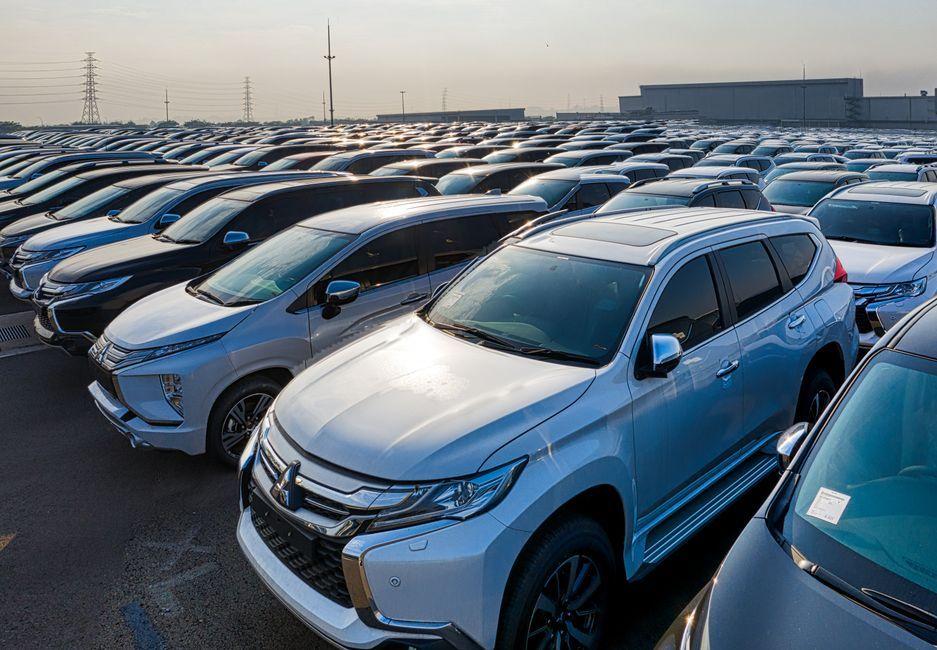
Stock photo for illustration only, not from the actual event
- JLR's annual car sales in China dropped sharply from a peak of 146,000 in 2017 to just 62,400 in the latest financial year.
- A severe cyber attack in late 2025 heavily disrupted global manufacturing and cost the company £1.9bn.
- The carmaker is investing £15bn into an electric vehicle transition while planning extensive cost-cutting measures.
Jaguar Land Rover (JLR) is navigating through a severe combination of declining sales across all major global markets and the lingering aftermath of a devastating cyber attack that crippled its production lines last year. These mounting financial pressures have forced company executives to implement a comprehensive overhaul of its business operations.
The Chinese market, once seen as a lucrative stronghold for European automakers, has shifted dramatically due to aggressive domestic competition backed by state support and a general economic slowdown. JLR's sales figures in the region plunged from 146,000 units in 2017 down to 62,400 vehicles in the most recent financial year, severely squeezing profit margins alongside the implementation of new luxury car taxes.

Stock photo for illustration only, not from the actual event
The challenges extend across the Atlantic to the United States, where annual sales fell from over 120,000 cars in the period ending March 2025 to just under 100,000 in the following year. Part of this decline stemmed from the global cyber attack that disrupted late-2025 output and cost the company £1.9bn, compounded by stringent import tariffs enforced by the US government.
To mitigate the impact of American import tariffs, JLR is planning a strategic partnership with Stellantis to manufacture Defender-badged vehicles locally within the US market. Meanwhile, soaring industrial energy costs in the UK continue to add structural financial burdens to domestic manufacturing processes.
"Electricity is a fundamental input into modern industrial production. If producing a car in Britain is structurally more expensive because the energy required to manufacture it is substantially more expensive, Britain is effectively imposing a competitiveness tax on its own industry."
Prof David Bailey, Birmingham Business School
JLR's current predicament highlights the broader structural difficulties facing traditional legacy automakers as they transition toward an electric vehicle future. Competing against rapidly expanding Chinese EV manufacturers equipped with fast development cycles, alongside high domestic energy overheads and geopolitical trade barriers, demands strict financial discipline and operational pivots to secure long-term viability.
While JLR recently debuted its first electric Range Rover as part of a £15bn electrification roadmap, its rebranding efforts for Jaguar have sparked polarizing debates ahead of its official public showcase. With Chief Executive PJ Balaji steering the company toward aggressive cost reductions, thousands of jobs and supply chain networks face difficult adjustments ahead.
Source: BBC Business
Found something wrong in this article? Report an issue with this article
Comments
Leave a Comment