

Stoke Space Sets Debut Launch Target & Reveals Larger Rocket
Stoke Space sets its debut launch target and reveals plans for a larger rocket following another massive infusion of cash.

Stock photo for illustration only, not from the actual event
- Stoke Space secures another massive infusion of cash for development
- The company officially sets a target for its debut rocket launch
- New blueprints and plans for a much larger rocket are revealed
- Highlighting that the space economy grows alongside launch capabilities
The global space economy continues to expand at a pace dictated strictly by our ability to successfully launch rockets into orbit. In a major milestone for the aerospace sector, Stoke Space has announced its official debut launch target while pulling back the curtain on ambitious blueprints to build an even larger rocket.
This significant corporate step forward arrives on the heels of a massive new financial injection, providing the aerospace startup with the critical capital needed to accelerate hardware development, system testing, and operational readiness. This fresh funding empowers the team to scale up their engineering ambitions much faster than previously anticipated.
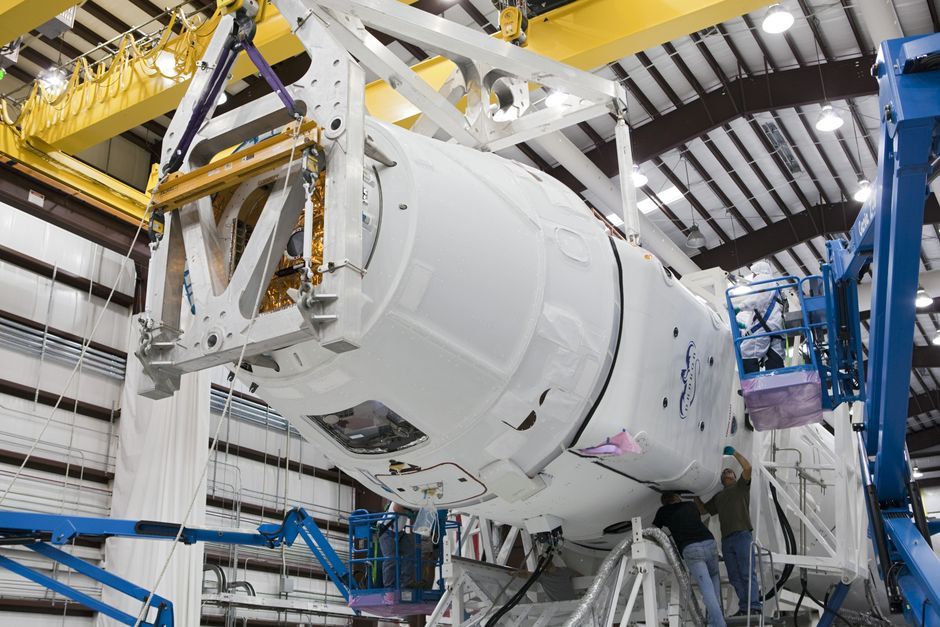
Stock photo for illustration only, not from the actual event
The ability of private aerospace firms like Stoke Space to continuously secure large-scale funding underscores strong investor confidence in the commercial launch market. Beyond technological success, the modern space race hinges heavily on reusable architectures, cost efficiency, and the agility to scale payload capacities to meet future market demands.
Setting a concrete target for the first flight represents a crucial turning point that industry analysts and space enthusiasts have eagerly awaited. It will serve as the ultimate real-world test for the company's proprietary propulsion technologies and unique landing systems developed over years of intensive research.
Meanwhile, the parallel initiative to design a larger rocket vehicle ensures that Stoke Space can capture heavier payload contracts and serve commercial satellite operators on an industrial scale, positioning them strongly for upcoming market demands.
Source: Ars Technica
Found something wrong in this article? Report an issue with this article
Comments
Leave a Comment