

Why Love Hultén Continues Building Interactive and Eccentric Sound Machines
Designer Love Hultén creates bespoke handcrafted sound machines and electronic devices that invite slow, playful, and tactile interactions.
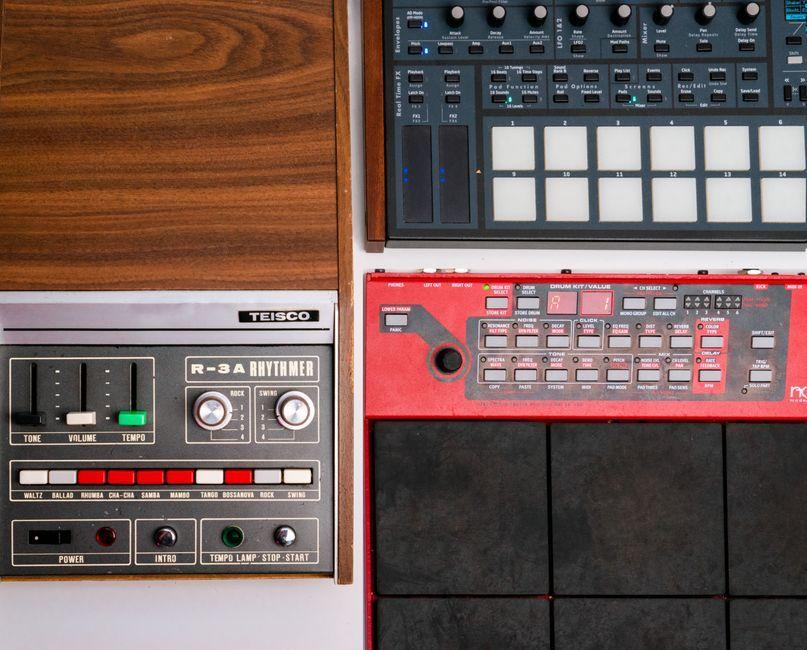
Stock photo for illustration only, not from the actual event
- Hultén's bespoke machines combine woodworking, resin casting, and mechanical engineering.
- Designs encourage users to slow down and physically interact with unique control systems.
- Projects incorporate organic elements like cacti to generate music from biodata.
- The work reflects a belief that digital tech and handmade craftsmanship complement each other.
The growing lineup of custom machines by Love Hultén features an array of eccentric creations: a crane-operated record player, a synthesizer animated by a dancing mechanical crab, a cactus garden that turns biodata into music, and a marble-driven sound apparatus. Viewed individually, these pieces appear quirky, but together they demonstrate a cohesive philosophy. Rather than chasing faster, smoother, or more minimal technology, Hultén deliberately makes his creations slower, stranger, and infinitely more playful.
This distinct emphasis on interaction drives every project Hultén undertakes. Whether crafting synthesizers, gaming consoles, or listening devices, he routinely abandons standard controls. A turntable is operated by steering a bright red crane across the vinyl record, while cacti and bonsai trees act as musical collaborators through biodata translation. Ferrofluid pulses dynamically to sound, and tiny rolling marbles trigger melodies through miniature mechanisms. Each apparatus introduces a novel method of play, prompting people to slow down and actively engage with the physical object in front of them.
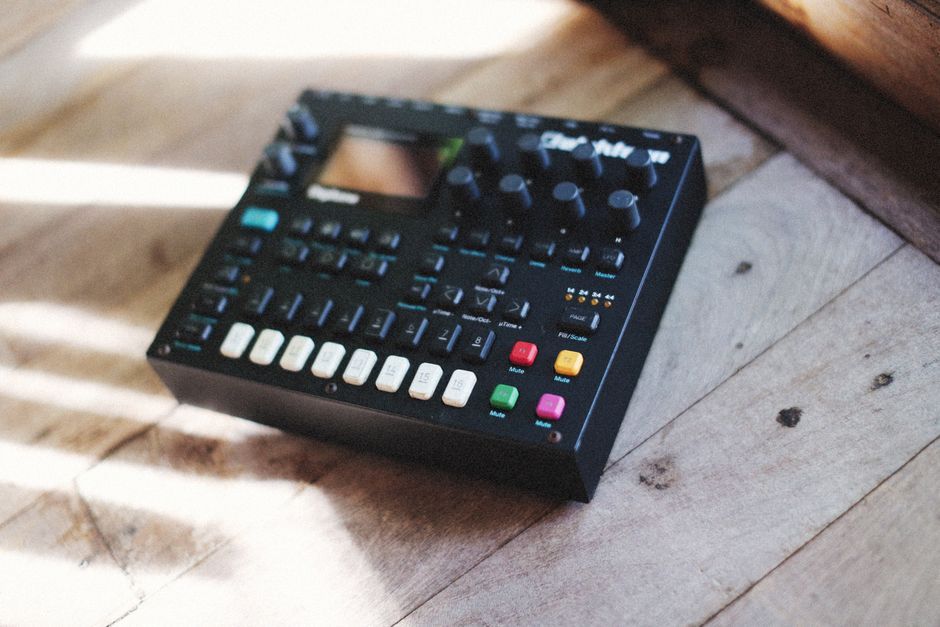
Stock photo for illustration only, not from the actual event
Love Hultén's design methodology serves as a direct counter-movement to modern digital minimalism and hyper-speed convenience. By pulling users away from flat touchscreens and into physical, tactile environments, his instruments revive a sense of wonder and deep mechanical connection that is often lost in contemporary consumer electronics.
This philosophy shines brightly in projects like Desert Songs and Tegel, where live cacti and bonsai trees generate audio output via biodata, or Sebastian, featuring a robotic crab that moves in response to MIDI signals. Resembling fictional laboratory instruments, these machines borrow visual cues from exploratory technology to spark curiosity. Hultén has noted his deep fascination with the mysterious atmospheres of sci-fi bio-stations, which place familiar biological organisms into unfamiliar technological surroundings.
Every project is brought to life through a diverse combination of woodworking, laser cutting, resin casting, electronics, programming, and mechanical engineering. This hybrid workflow highlights Hultén's core conviction that digital tools and traditional handmade practices are not opposing forces, but mutually beneficial complements.
Source: designboom
Found something wrong in this article? Report an issue with this article
Comments
Leave a Comment