

Reform UK proposes ban on full-face coverings in public places
Reform UK has pledged to ban all full-face coverings in public, including burkas and balaclavas, if it wins power at the next election.
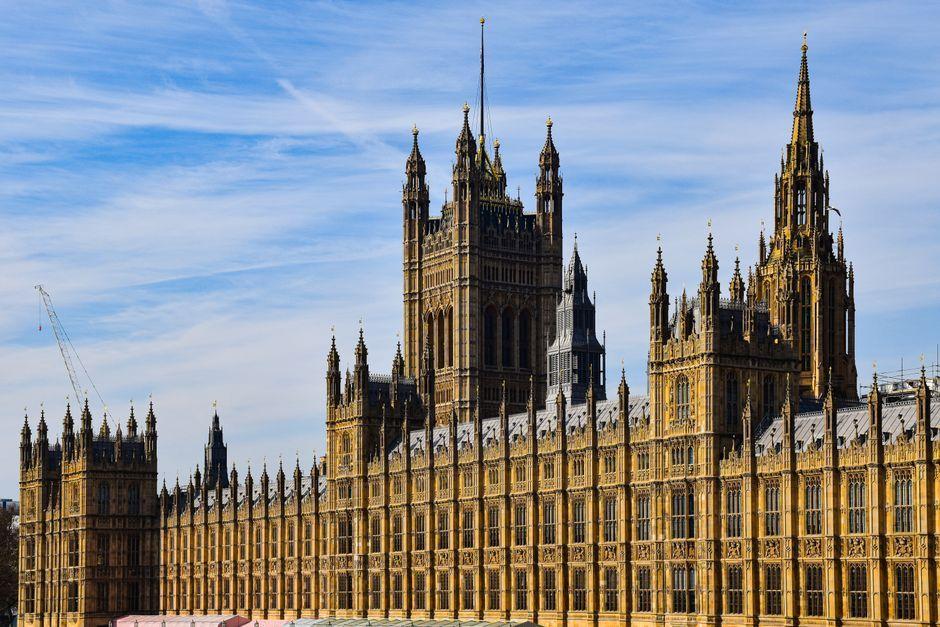
Stock photo for illustration only, not from the actual event
- Reform UK has announced a policy to ban all full-face coverings in public spaces if elected.
- The proposed ban covers both religious garments like burkas and balaclavas worn by troublemakers.
- Labour's current legislation allows police to create mask-free protest zones with fines up to 1,000 pounds.
- Nottingham Council has already implemented a public spaces protection order to ban face coverings downtown.
The political party Reform UK has officially stated that if it wins power at the next general election, it will implement a comprehensive ban on wearing full-face coverings in public places. The party argues that current police powers regarding face coverings remain insufficient to tackle ongoing public disorder and community safety issues across the country.
This policy announcement follows weekend protests in Dover, which police described as spontaneous, during which masked men blocked roads and chanted slogans demanding an end to migrant boat crossings. The incident sparked heightened concerns among local residents regarding public order and community safety.
In response to the growing debate, Home Office minister Sarah Jones stated on Monday that police already hold powers to manage face coverings at protests. However, she added that when individuals are going about their daily business, wearing them for religious reasons is completely acceptable and that practice will continue.
Despite existing regulations, Reform UK argues for a much wider restriction. The party highlighted situations in city centres where youths wearing balaclavas tear around neighbourhoods on electric bikes and scooters, terrorizing residents and making them feel unsafe in their own communities, leading to their call for a blanket ban without exceptions for religious attire.
The debate over banning face coverings in public is part of a broader European political discussion, with countries like France, Denmark, and Germany having previously introduced various restrictions for security and identification purposes. Reform UK's push to revive this debate highlights the ongoing friction between religious freedom, public expression, and national security in British politics, drawing sharp contrasts with current government policies.
Earlier in April, the Labour government's Crime and Policing Act took effect, granting police powers to establish mask-free zones during protests backed by penalties of up to 1,000 pounds, a month in imprisonment, or both. This specific power applies strictly to individuals attempting to conceal their identity rather than those covering their faces for health, religious, or occupational reasons.
On a local government level, city councils in England and Wales possess the authority to combat anti-social behaviour through public spaces protection orders. Nottingham Council recently utilized such an order to enforce a face covering ban within its city centre, targeting individuals suspected of concealing their identities to commit crimes or anti-social behaviour while exempting religious, health, and weather-related coverings.
Source: BBC Politics
Found something wrong in this article? Report an issue with this article
Comments
Leave a Comment