

England Cancer Waiting Times Crisis Leads to Disease Spread
A 70-year-old lung cancer patient in England faces disease progression while waiting nearly 5 months for surgery as NHS performance data drops.
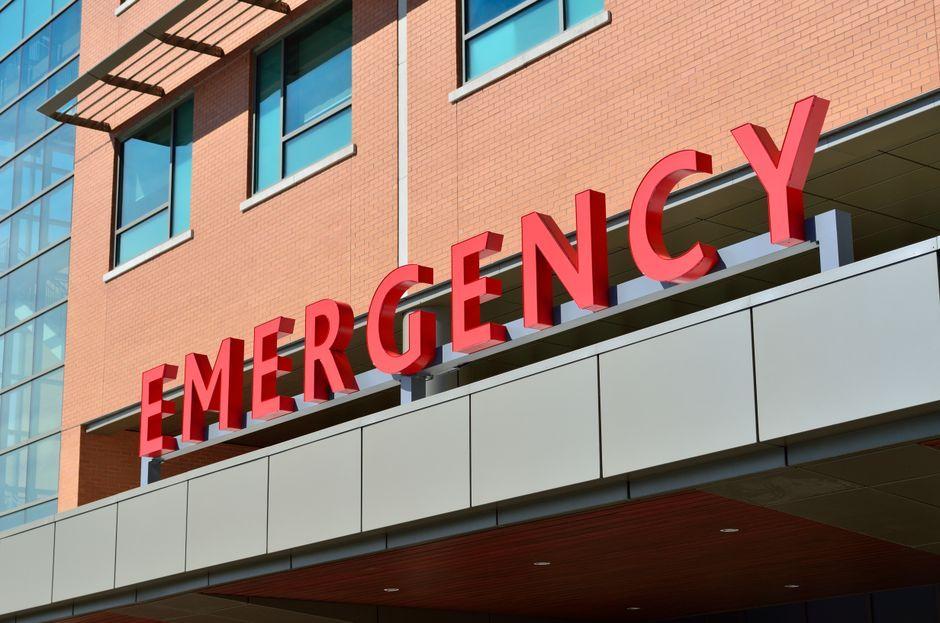
Stock photo for illustration only, not from the actual event
- Lung cancer patients in England experience delays of nearly 5 months, causing tumors to spread.
- The percentage of patients starting cancer treatment within 62 days fell from 71.9% to 69.9%.
- The government aims for 85% of patients to start treatment within the target timeframe by March 2027.
- Hospitals nationwide struggle with broken equipment, staff shortages, and rising referral volumes.
Alan was diagnosed with lung cancer after a medical nodule was identified in June of last year. Although the 70-year-old was originally scheduled to undergo surgery within a matter of weeks, his procedure was delayed for nearly five months, allowing the cancer to advance and making his subsequent operation significantly more complex.
During this extended period of waiting, his scheduled scans were cancelled twice because hospital machinery had broken down. For weeks, he received little to no communication from the hospital regarding when his urgent surgical intervention would finally take place. Alan represents thousands of individuals in England each month who fail to receive treatment within established target timeframes.

Stock photo for illustration only, not from the actual event
Earlier this year, the government's National Cancer Plan, paired with NHS Planning Guidance, established a target ensuring that 80% of patients in England would commence treatment within 62 days of an urgent GP referral by March 2027, scaling up to 85% by March 2027. Nevertheless, data from NHS England indicates that performance metrics have worsened rather than improved since these ambitious goals were announced.
Current figures show that 69.9% of patients initiate cancer treatment within the 62-day threshold, down from a previous baseline of 71.9%. Furthermore, analysis conducted by Radiotherapy UK suggests that more than 3,000 additional patients must begin treatment every month—representing a nearly 15% increase over current numbers—if the healthcare system is to meet the March 2027 target.
"We know cancer can be terrifying so we are a bit like a dog with the bone, backing up patients and supporting them wherever we can."
Emilia Scutt, Salisbury cancer manager
The ongoing crisis in England's cancer waiting times highlights deep-seated structural vulnerabilities within the National Health Service, ranging from severe workforce shortages to critical equipment deficits. Prolonged delays not only erode patient survival probabilities but also escalate medical complexities as early-stage conditions progress unchecked. Addressing these systemic bottlenecks requires stringent accountability and sustained capital investment across regional hospital trusts.
While select hospital trusts like Salisbury are gaining traction by tightening administrative basics and employing innovative surgical techniques, institutions across Buckinghamshire, Dorset, Milton Keynes, and other regions continue to face compounding pressures. These facilities report surging patient demand, diagnostic bottlenecks, workforce shortages, and lingering disruptions from previous industrial actions.
Source: BBC Health
Found something wrong in this article? Report an issue with this article
Comments
Leave a Comment