

UK healthcare watchdog proposes 44 new AI regulations
The MHRA publishes 44 recommendations to update medical device policies, introducing an AI L-plate system for NHS deployment.
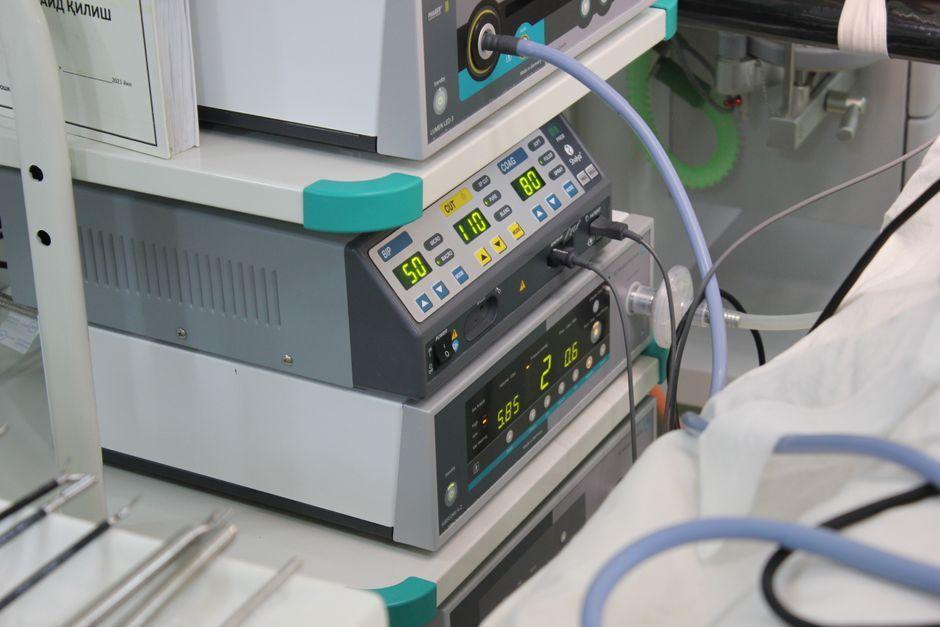
Stock photo for illustration only, not from the actual event
- MHRA proposes 44 recommendations to update healthcare AI policies in the UK
- Patients given the right to know and access information on AI-driven care
- Proposed AI L-plate system for closely supervised clinical trials
- Around 40% of UK GPs already using LLM-powered medical scribes
The Medicines and Healthcare Products Regulatory Agency (MHRA), which regulates medical devices and licenses drugs across the UK, has published 44 policy recommendations to modernize its regulatory framework as artificial intelligence adoption surges in the sector. Compiled by an independent commission, the report gathered insights from over 12,000 individuals, including patients and clinical professionals.
Lawrence Tallon, deputy chief executive of the MHRA, told the BBC that the technology will soon see routine deployment across the National Health Service (NHS). He noted that patients will increasingly experience AI integrated into normal healthcare delivery models.
Key proposals outlined in the report include the continuous monitoring of AI medical products, with powers to revoke regulatory approval if systems malfunction or degrade over time. It also grants patients the explicit right to know if AI is involved in their care and provides easy access to related product details. Furthermore, regulators would gain powers to penalize developers failing to meet standards, alongside an AI "L plate" system enabling healthcare professionals to trial new models under strict supervision.

Stock photo for illustration only, not from the actual event
"The medical devices regulatory framework predominantly dates from a period where we were thinking about things like hip replacements and knee replacements, or smaller things like stethoscopes and plasters."
Tallon explained that while legacy guidelines adequately handle simple AI tools trained to spot known symptoms on scans, they fail to regulate highly complex models. As new data feeds in, these systems learn, adapt, and drift, making global regulatory oversight a distinct challenge.
The push by health regulators to establish bespoke AI rules highlights a critical transitional phase where machine learning moves from administrative assistance to active clinical decision-making. Introducing dynamic governance frameworks, such as post-market surveillance and mandatory patient transparency, establishes a vital safety net to balance rapid technological innovation with patient trust.
Meanwhile, AI note-takers or scribes powered by large language models are reportedly utilized by 40% of UK-based general practitioners to document consultations. However, a recent study from the University of Edinburgh revealed that patients might withhold sensitive personal information, such as substance abuse histories, if they know an AI system is processing the conversation.
Source: BBC Health
Found something wrong in this article? Report an issue with this article
Comments
Leave a Comment