

iPhone 18 Pro: Variable Aperture Isn't The Best Part
Apple is adding an adjustable mechanical iris to the iPhone 18 Pro and Pro Max, but experts argue the true star is the f/1.48 aperture.
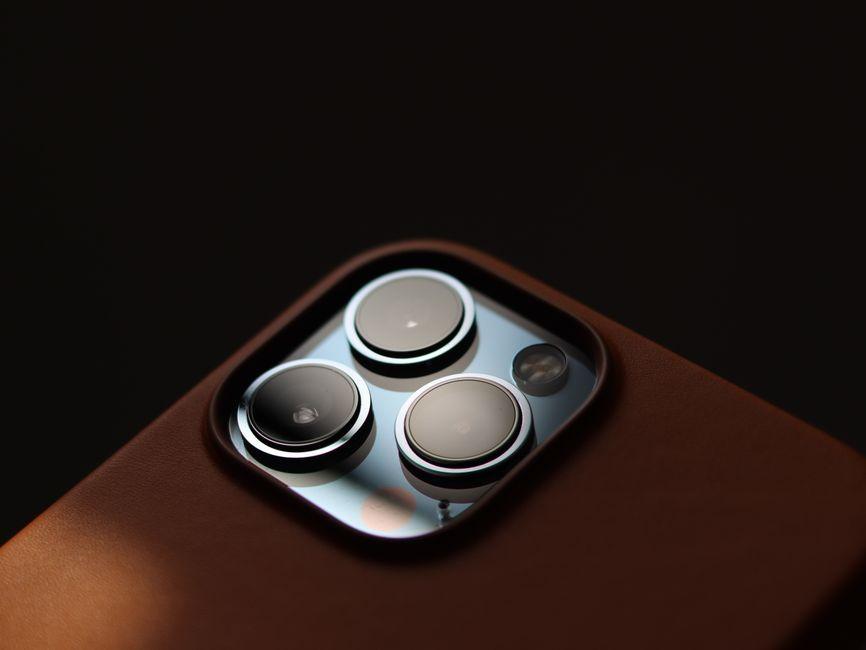
Stock photo for illustration only, not from the actual event
- iPhone 18 Pro and Pro Max feature a main camera with an adjustable mechanical aperture.
- Reviewers suggest that stopping down the aperture may offer limited real-world benefits.
- The upgraded f/1.48 maximum aperture is highlighted as the true standout feature.
Apple always puts on a major showcase for its latest smartphone optics, and the primary talking point surrounding the iPhone 18 Pro is its new variable aperture. Both the iPhone 18 Pro and Pro Max models integrate an adjustable mechanical iris inside their main camera modules, letting users shoot at selectable f-stops including f/1.48, f/1.8, f/2.8, and f/4.
Along with automatic exposure handling, these new manual controls allow users to dial in shutter speeds, white balance, and manual focusing directly inside the native camera application without needing third-party software like Halide. However, Antonio G. Di Benedetto, a reviewer at The Verge, suggests tempering expectations regarding the variable aperture being the ultimate selling point.

Stock photo for illustration only, not from the actual event
The primary reason is smartphone sensor scale; mobile image sensors remain tiny, meaning most subjects stay in sharp focus unless positioned extremely close to the lens. Stopping down to f/4 is unlikely to yield dramatic improvements in sharpness compared to full-size standalone cameras, and may even cause slight softening due to lens diffraction in certain conditions.
Practical advantages of stopping down the lens are mostly limited to niche scenarios, such as extending depth of field for close-up macro subjects, keeping multiple people in focus during bright group photos, or handling video exposure in harsh direct sunlight. These specific situations are infrequent, which explains why other major Android brands previously experimented with variable apertures before quietly abandoning them.
"I think the real star feature of the iPhone 18 Pro’s camera is its f/1.48 maximum aperture. Fuck stopping down, man. People love bokeh.":
Antonio G. Di Benedetto
Instead, the true highlight of the iPhone 18 Pro camera system is its wider f/1.48 maximum aperture. Moving down from last generation's f/1.7 aperture, the 18 Pro improves low-light performance and yields a slightly shallower depth of field. While the bokeh difference won't revolutionize mobile photography overnight, it delivers the dreamy, background-blur aesthetic that portrait photographers and everyday users actively crave.
The ongoing evolution of flagship smartphone photography relies heavily on balancing mechanical hardware adjustments with advanced computational processing. While adjustable mechanical apertures have a long heritage in traditional DSLR systems, integrating them into compact mobile sensors introduces strict optical physics limitations. By prioritizing a wider f/1.48 baseline, Apple aligns hardware improvements directly with consumer preferences for portrait isolation and aesthetic background blur.
Source: The Verge
Found something wrong in this article? Report an issue with this article
Comments
Leave a Comment