

Donald Trump's $5,000 Election Pledge Questioned
Donald Trump pledged $5,000 to every American if Republicans win the November midterms, but Democrats dismissed it and questioned its legality.
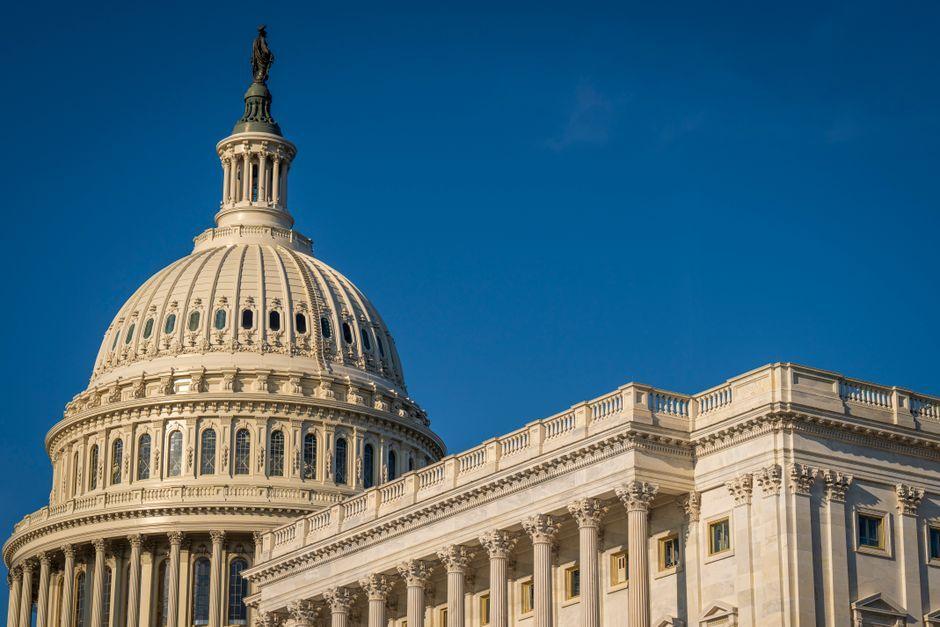
Stock photo for illustration only, not from the actual event
- Donald Trump pledged $5,000 to every American if Republicans win the November midterm elections.
- The US president offered no details on how the plan would work or where funding would come from.
- Democrats dismissed the announcement as an empty promise amid questions over its legality.
- Implementing such a pledge would cost the US government approximately $1.3 trillion.
US President Donald Trump has made a bold financial pledge, promising $5,000 to every American citizen if the Republican Party secures a victory in the upcoming midterm elections this November. The announcement has immediately sparked intense political debate across the United States regarding the feasibility of such a massive nationwide payout.
Despite the grand scale of the proposal, the US president provided no specific details concerning the operational mechanics of the plan or the source of funding required to finance the ambitious payout. This lack of transparency has fueled skepticism among economic analysts and political opponents alike.
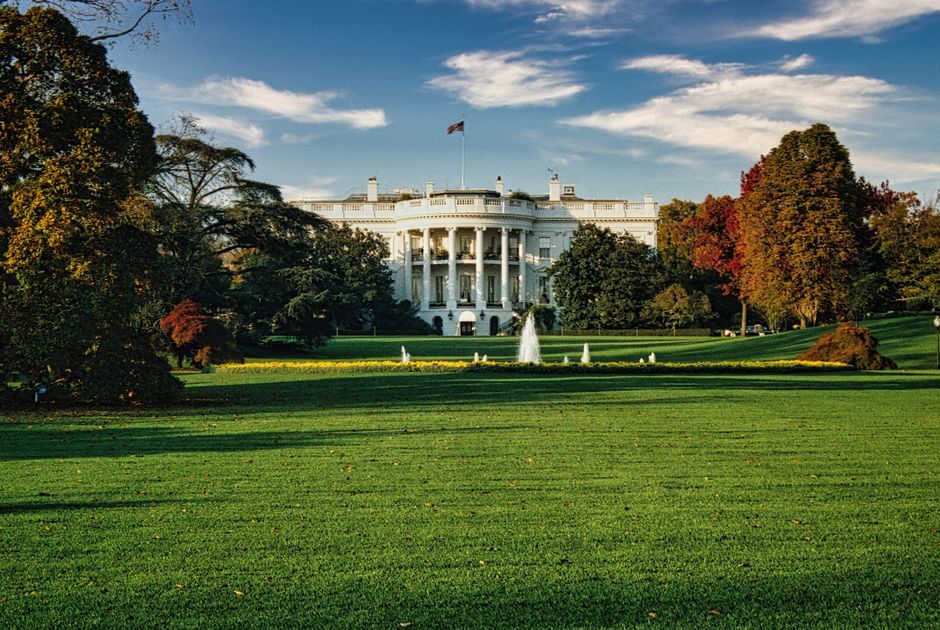
Stock photo for illustration only, not from the actual event
In response to the announcement, Democrats sharply criticized the proposal, labeling it an "empty promise" designed purely to sway voters. Furthermore, various legal experts and political commentators have questioned whether such a direct financial pledge during an election cycle complies with US electoral laws.
BBC North America editor Sarah Smith examined the viability of Donald Trump's promise, highlighting that executing such a scheme would require approximately $1.3 trillion from the US government. Her analysis delves into whether a proposal of this magnitude can withstand legal and fiscal scrutiny.
Direct cash transfer policies are frequently deployed as high-profile campaign strategies to mobilize voter turnout. However, in the US political system, committing $1.3 trillion in federal funds requires congressional approval, making legislative hurdles a major obstacle. Additionally, election laws strictly regulate government spending and announcements close to voting periods to prevent undue influence.
Source: BBC World
Found something wrong in this article? Report an issue with this article
Comments
Leave a Comment