

Artemis II Commander and Pilot Become NASA's First Astronaut Emeriti
NASA grants the historic title of Astronaut Emeriti for the first time to the commander and pilot of the Artemis II mission.
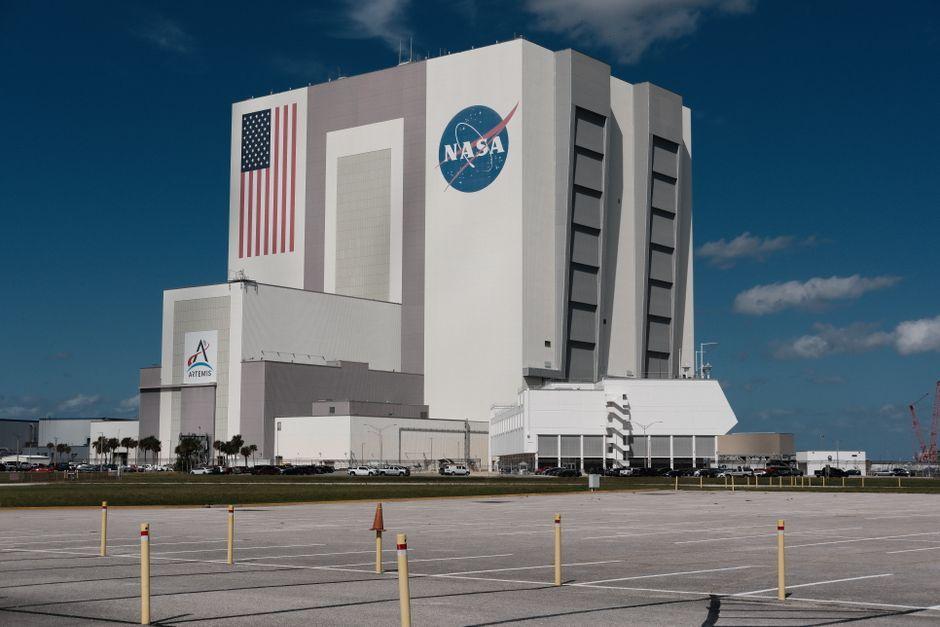
Stock photo for illustration only, not from the actual event
- NASA establishes the brand new Astronaut Emeriti status
- The commander and pilot of Artemis II receive this inaugural honor
- Marks a significant shift in honoring veteran spaceflight personnel
The National Aeronautics and Space Administration (NASA) has made history by conferring the status of Astronaut Emeriti for the very first time upon the commander and pilot of the Artemis II mission, following the successful completion of their historic flight.
This unprecedented recognition highlights the critical contributions of elite crew members who venture beyond Earth's orbit. Transitioning into this emeritus tier allows veteran spacefarers to continue guiding and mentoring the next generation of explorers preparing for upcoming lunar missions.

Stock photo for illustration only, not from the actual event
While specific administrative details surrounding this new designation remain closely held within NASA's leadership circles, the announcement underscores the agency's evolving framework as it ramps up operations for the broader Artemis campaign throughout this decade.
The introduction of the Astronaut Emeriti title mirrors academic models of emeritus status, allowing space agencies to retain the invaluable, real-world expertise of veteran astronauts without requiring them to partake in high-risk flight operations. This structural evolution helps safeguard institutional knowledge for future crewed deep-space missions.
Source: Ars Technica
Found something wrong in this article? Report an issue with this article
Comments
Leave a Comment