

Oil, gas and borrowing costs surge as Middle East fears grow
Brent crude hits $105 a barrel and long-term borrowing costs in the US and UK surge to multi-decade highs amid escalating Gulf conflict.
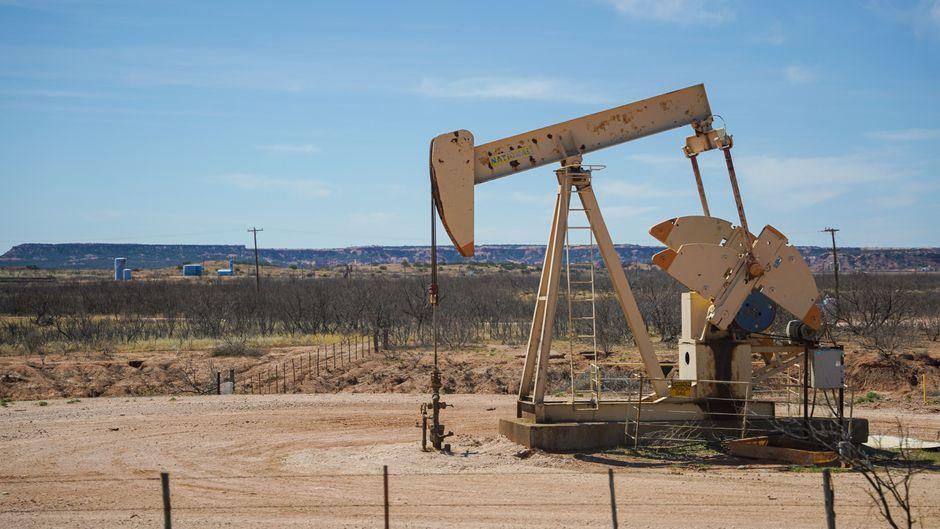
Stock photo for illustration only, not from the actual event
- Brent crude oil prices surge past $105 a barrel amid escalating supply worries
- The Strait of Hormuz faces effective closure, disrupting global energy shipments
- US and UK long-term borrowing costs climb to their highest levels in decades
- UK wholesale natural gas prices rise above 200p a therm for the first time since late 2022
Global energy markets have been severely shaken as the ongoing conflict between the US and Iran in the Gulf intensifies. Brent crude prices climbed back above $100 a barrel on Wednesday and have continued to rise, reaching $105 a barrel amid clear signals that the Middle East crisis will not see a quick resolution.
The war has resulted in the effective closure of the Strait of Hormuz, preventing vital shipments of oil and gas from the Gulf from reaching international markets. Furthermore, reports indicate that Iran-aligned Houthi forces have seized Yemen's strategic Red Sea port of Mokha, heightening anxieties over potential further shipping disruptions.

Stock photo for illustration only, not from the actual event
Wholesale natural gas prices have also soared significantly. In the UK, prices climbed above 200p a therm for the first time since the end of 2022, driven by lower-than-normal European storage levels for this time of year and the pressing need to replenish reserves ahead of the winter season.
Speaking at a Republican Party convention in Texas on Wednesday, President Donald Trump stated that he did not expect the fighting to conclude until after the US mid-term elections in November.
"It feels like investors worldwide are now waking up to the crisis in oil markets."
Chris Beauchamp, Chief Market Analyst at IG
Sudden spikes in energy costs typically trigger severe inflationary pressures across the broader macroeconomic landscape. When surging fuel prices combine with elevated government borrowing costs, it creates a compounding effect that impacts everything from public finances to consumer mortgage rates, posing major dilemmas for monetary policymakers worldwide.
The financial shock has also driven long-term borrowing costs in the US and UK to their highest levels in decades. In the UK, yields on 10-year government bonds reached their highest point since 2007, while 20- and 30-year yields hit levels not witnessed since 1998, directly inflating government debt servicing costs and filtering down into consumer financial products like fixed-rate mortgages.
Source: BBC Business
Found something wrong in this article? Report an issue with this article
Comments
Leave a Comment