

Pilot warned Amazon cargo plane going too fast before crash
New flight data reveals an Amazon Boeing 767-300 cargo plane landed at 158 knots before overrunning a runway in Miami.

Stock photo for illustration only, not from the actual event
- NTSB flight data reveals Amazon cargo plane moved at high speed before Miami crash
- Landing speed hit 158 knots (292 km/h), noted by experts as exceptionally high
- Automated safety warnings alerted crew about rapid descent and low terrain
- The tragic incident on the ground resulted in five fatalities and five injuries
Newly released flight data from the National Transportation Safety Board has shed light on the fatal accident involving an Amazon cargo plane in Miami, Florida. Fresh details show that a pilot onboard the Amazon Prime Air Flight 7598 noted the aircraft was traveling at an excessive speed before it overran a runway, collided with ground vehicles, and erupted into flames.
According to the update, the Boeing 767-300 touched down with a landing speed of 158 knots, roughly 292 kilometers per hour. Aviation experts have pointed out that this velocity sat on the higher end of the operational spectrum. The NTSB is currently leading the ongoing investigation into the crash, which claimed five lives and injured five other individuals.
The flight data published by the agency encompassed specific metrics such as aircraft speed, altitude, and flap deployment configurations during the approach phase. Furthermore, the update incorporated a summary of communications exchanged between the two pilots inside the cockpit during the final moments of the flight.
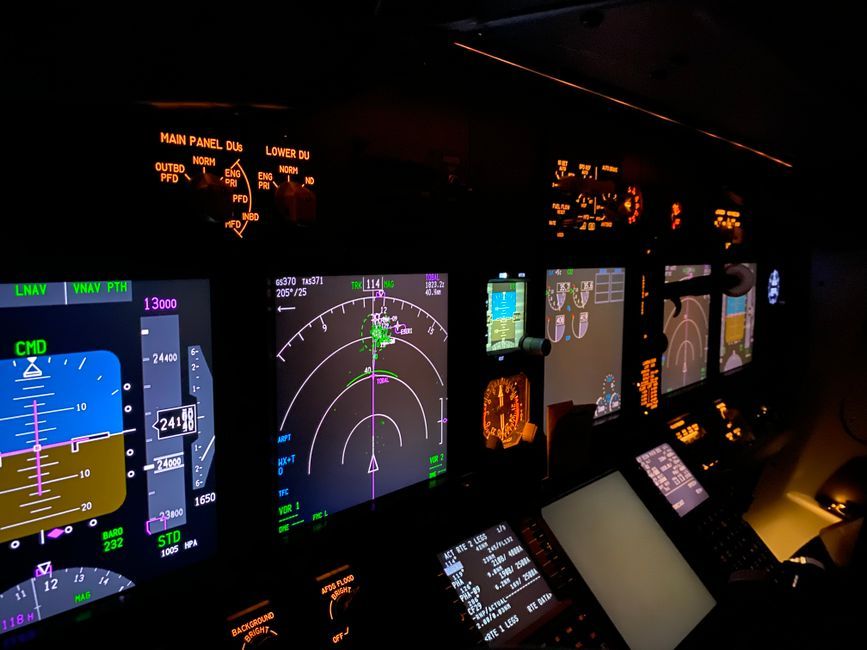
Stock photo for illustration only, not from the actual event
The report highlighted that an electronic sink rate sink rate callout sounded during the final minutes, serving as an automated verbal safety warning regarding an excessive descent rate. Another verbal warning, too low terrain, also triggered to indicate that the aircraft was flying dangerously close to the ground without proper landing configuration.
"But, it really confirms that this was, in a way, a doomed approach."
Pablo Rojas
Aviation attorney Pablo Rojas told CBS News, the BBC's US partner, that evaluating the inconsistent verbal response mentioned by the NTSB remains difficult without reviewing the actual cockpit voice recording. Nevertheless, the expert noted the data underscores the precarious nature of the final approach.
This tragic incident involving a major cargo operator underscores critical aviation safety lessons regarding cockpit automation alerts and crew resource management under high-pressure scenarios. As investigators dissect descent rates and velocity parameters, the findings will likely emphasize the importance of strict adherence to stabilization criteria during final approaches to prevent ground collisions.
After overrunning the runway, the cargo aircraft struck ground equipment and hit a white Ford van before breaching the perimeter fence. It subsequently collided with a Toyota Corolla, ultimately coming to rest approximately 1,300 feet, or 394 meters, beyond the runway threshold. Investigators confirmed that all five individuals killed in the accident were occupants of the two vehicles on the ground.
Source: BBC World
Found something wrong in this article? Report an issue with this article
Comments
Leave a Comment