

UK Couple Shares How to Protect Pension During Parental Leave
Molly and Taylor Haylett share how they manage finances after having children, with the husband contributing to his wife's pension during her time off work.
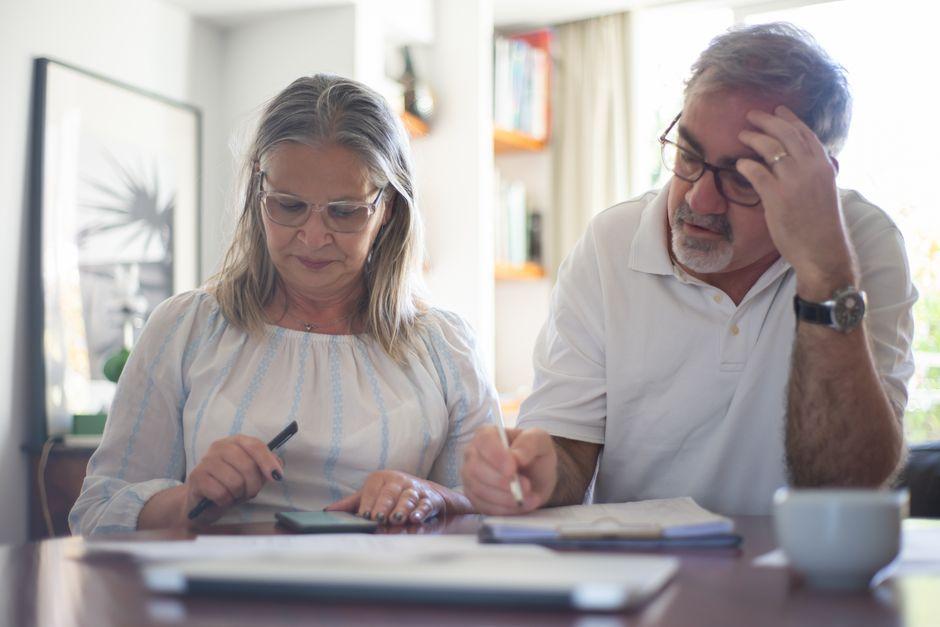
Stock photo for illustration only, not from the actual event
- Molly and Taylor Haylett agreed that Taylor would contribute to Molly's pension while she cared for their children.
- Octopus Money research reveals 63% of parents are unaware that partners can contribute to their pensions.
- Financial expert Katie Guild advises couples to discuss financial gaps and planning before welcoming a baby.
When Molly and Taylor Haylett started a family, they had not fully planned for the financial implications that would follow. Initially earning similar amounts, the balance shifted once Molly spent more time at home caring for their baby.
One of the decisions the couple made was for Taylor, a train driver, to contribute to Molly's pension while she was out of work. It is an arrangement she believes far more couples should discuss before having children.
Molly explained that she recently discussed this with a friend who plans to stop working after starting a family, noting that people often focus solely on immediate bills while the person taking time off faces a much smaller financial future.
Taylor, 33, admitted he was unaware of this option initially but fully supported Molly's suggestion. He noted that committing to a life together meant helping out wherever possible, and he was glad he did so. He added that Molly manages household finances as she is more organized, though he stays informed on their spending.
"People think only about the present and paying the bills but the person taking time off work could end up with much less in the future."
Molly Haylett
Research by Octopus Money found that more than a third of parents reduced or paused pension contributions during parental leave, while 63% remained unaware that a partner could contribute on their behalf. Third-party pension contributions allow individuals with low or zero earnings to receive up to 2,880 pounds paid in per tax year, boosted to 3,600 pounds with basic-rate tax relief.
Third-party pension contributions serve as a vital mechanism for closing the gender retirement gap, which frequently widens when primary caregivers step away from the workforce. Proactive financial planning during parental leave helps safeguard long-term financial security and ensures both partners remain protected for retirement.

Stock photo for illustration only, not from the actual event
Katie Guild, co-founder of Nugget Savings, noted that the pension gap often originates during maternity leave as personal contributions drop alongside falling pay or halt completely during unpaid leave. She recommends that couples evaluate how the working partner can help bridge that shortfall.
Molly and Taylor now have two children, aged two and five, and felt much better prepared the second time around. They no longer view household expenses as costs that must be divided exactly in half. Earning around 60,000 pounds each, they maintain individual bank accounts alongside a joint account for bills, adapting their contributions flexibly as circumstances change.
The couple also focuses on financial literacy for their children from a young age, setting up pensions via monthly direct debits at birth and utilizing Junior ISAs. Taylor noted their five-year-old earns small amounts through chores rather than receiving everything instantly, helping introduce early concepts of saving.
Source: BBC Business
Found something wrong in this article? Report an issue with this article
Comments
Leave a Comment