

Thai Senate Panel Reviews FY2027 Budget Structure
Senator Vuttichai Kulapongvanich highlights FY2027 budget with 73.6% routine and 20.8% capital expenditures, suggesting digital and green taxes.
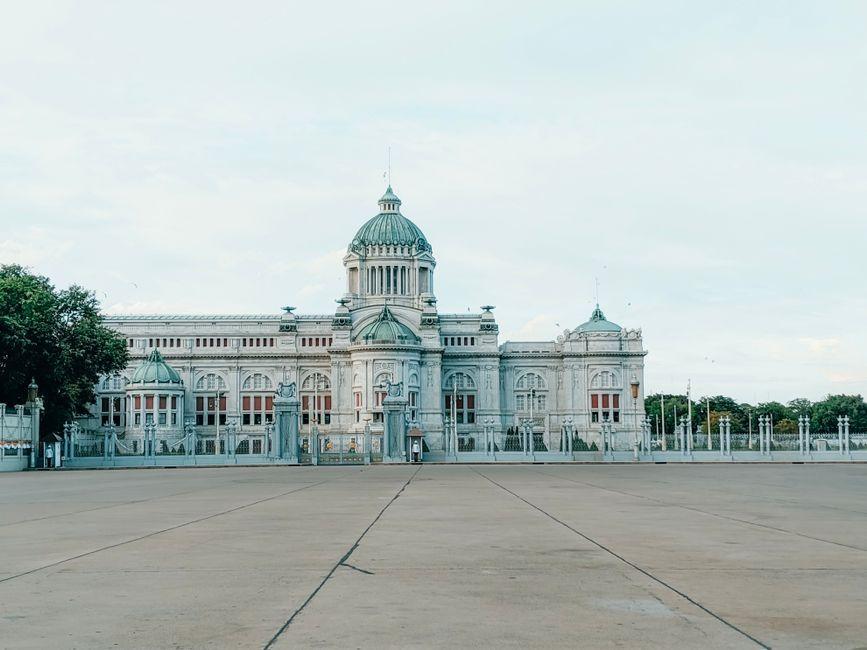
Stock photo for illustration only, not from the actual event
- FY2027 budget features 73.6% routine spending and 20.8% capital spending, complying with the law.
- The committee recommends introducing new revenue sources including environmental and digital economy taxes.
- Thailand's economic growth is projected at a low level of 1.9% in 2026.
- Proposing the integration of artificial intelligence (AI) to enhance tax collection efficiency.
Senator Vuttichai Kulapongvanich, serving as the chairman of the special committee studying the draft Fiscal Year 2027 Budget Bill, has revealed key findings from the study, pointing out that Thailand's economic growth is projected to remain at a low level of 1.9% in 2026, highlighting an urgent need to upgrade the nation's global competitiveness.
The committee recommended that the government urgently promote private sector investment and exports to boost public investment, while restructuring the economy to align with modern technology and global trade, focusing on electronics, digital technology, artificial intelligence, high-value industries, and tourism, alongside managing debt risks and climate change.

Stock photo for illustration only, not from the actual event
Regarding government revenue collection for fiscal year 2027, the committee suggested tracking revenues to meet targets and support long-term revenue stability through tax structure reforms, reducing reliance on traditional income tax bases, and introducing new revenue sources such as environmental taxes, digital economy taxes, and international e-commerce taxes, while leveraging AI to improve tax collection.
The proposal to implement digital economy taxes and utilize AI for tax collection reflects the government's effort to adapt to rapid online trade and cross-border transactions where traditional tax bases might fall short in the digital era.
Senator Vuttichai further noted that the FY2027 budget structure consists of 73.6% routine expenditures and 20.8% capital expenditures, which complies with the legal framework, but urged the government to enhance spending efficiency and review routine expenses such as public personnel welfare and overlapping subsidies.
"The government should adjust the customs revenue structure plan, prepare measures to cope with tax revenue declines from global trade volatility, adjust the role of the Customs Department to facilitate trade, prevent under-invoicing to preserve revenue and prevent tax leakage, and upgrade management to increase returns from state enterprises or state assets."
Vuttichai Kulapongvanich
Source: Matichon Politics
Found something wrong in this article? Report an issue with this article
Comments
Leave a Comment