

Historic El Niño creates quiet Atlantic hurricane season
The 2026 Atlantic hurricane season is set to break records for the latest date without a hurricane, suppressed by a historic El Niño and Saharan dust.
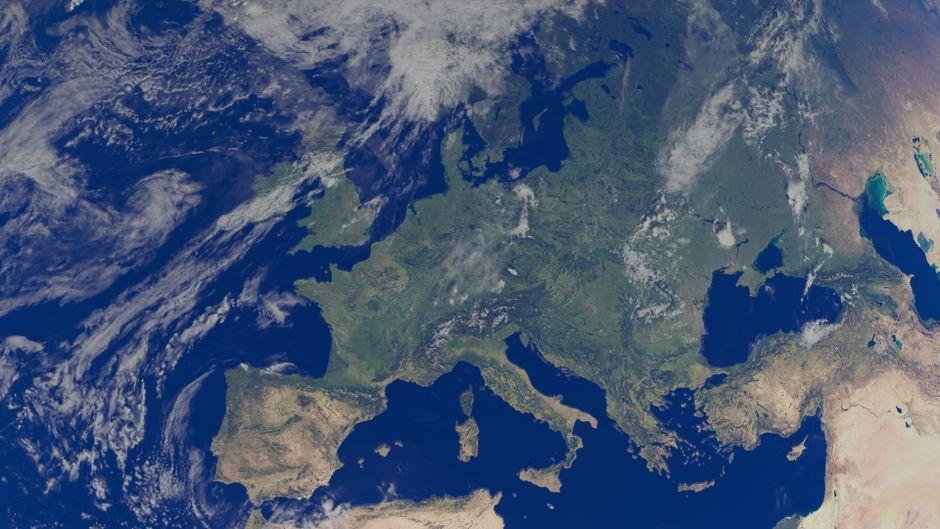
Stock photo for illustration only, not from the actual event
- No hurricanes have formed yet in the Atlantic basin during the peak of the season.
- A new satellite-era record is expected to surpass the previous September 11 mark set in 2002 and 2013.
- A historic and strengthening El Niño alongside Saharan dust are actively suppressing storm development.
- The eastern Pacific remains active with 13 storms including major Hurricane Lowell hitting Hawaii.
The Atlantic Ocean is experiencing an unusually quiet stretch during what is typically the peak of the hurricane season, putting the region on track to set a new record this week. In the modern satellite era dating back to the 1960s, this season is likely to achieve the longest stretch without a single Atlantic hurricane forming, with no signs of development on the horizon.
The current record stands at September 11, which was set in both 2002 and 2013. In a typical season, the basin would have already seen eight named tropical storms and three hurricanes by this point in the year. However, 2026 has recorded only five tropical storms so far: Arthur, Bertha, Cristobal, Dolly, and Edouard.
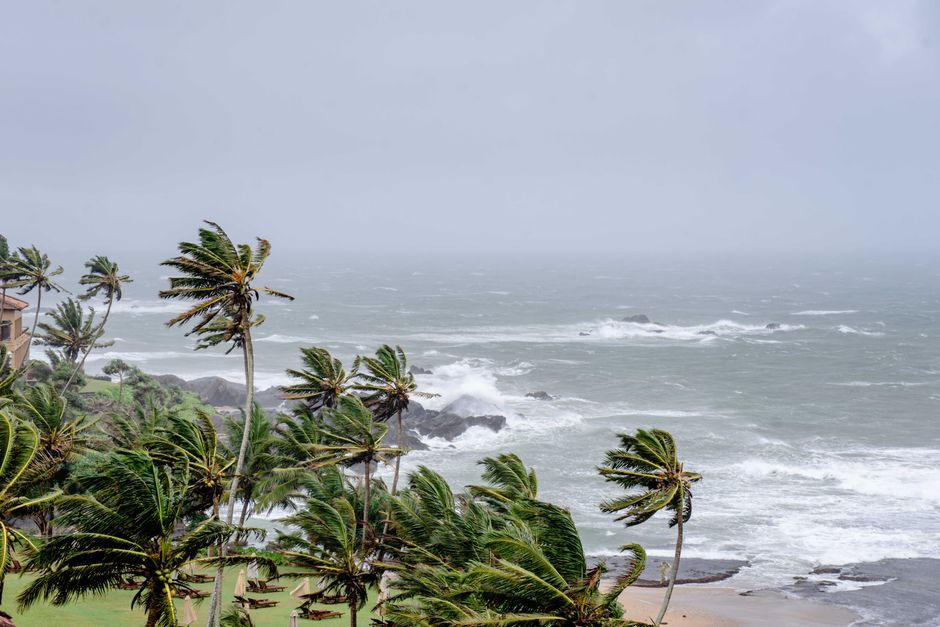
Stock photo for illustration only, not from the actual event
In contrast, the eastern Pacific has experienced a fairly active season where El Niño typically enhances activity, recording 13 named storms, including five hurricanes with three classified as major. Most recently, major Hurricane Lowell struck Hawaii this week, bringing damaging winds, heavy flooding rain, and high coastal waves.
The National Oceanographic and Atmospheric Administration notes that this El Niño is on track to be historic, expected to peak in November or December and exceed the strength of any event recorded since 1950. The natural warming of the tropical Pacific disrupts global weather by increasing upper-level winds over the Atlantic, creating strong wind shear that tears apart thunderstorms before they can mature into hurricanes.
El Niño is a natural climate pattern characterized by the warming of surface waters in the eastern tropical Pacific Ocean, which triggers widespread atmospheric changes. In the Atlantic basin, strong El Niño conditions generate high vertical wind shear, acting as a hostile environment that disrupts the vertical development necessary for tropical storms and hurricanes to organize and strengthen.
Beyond El Niño, Saharan dust has played a significant role in suppressing storm activity. Over the past week, winds whipped up dust and sand from Africa, transporting the dry, dusty air layer thousands of miles across the Atlantic to hinder storm growth. These quiet conditions are expected to persist for at least another week before the Atlantic hurricane season concludes on November 30.
Source: BBC Science & Environment
Found something wrong in this article? Report an issue with this article
Comments
Leave a Comment