

Where Travel Stands, 25 Years After 9/11: The New Divide
Twenty-five years after 9/11, air travel is bifurcated, offering seamless journeys for trusted fliers while increasing pre-check friction for others.
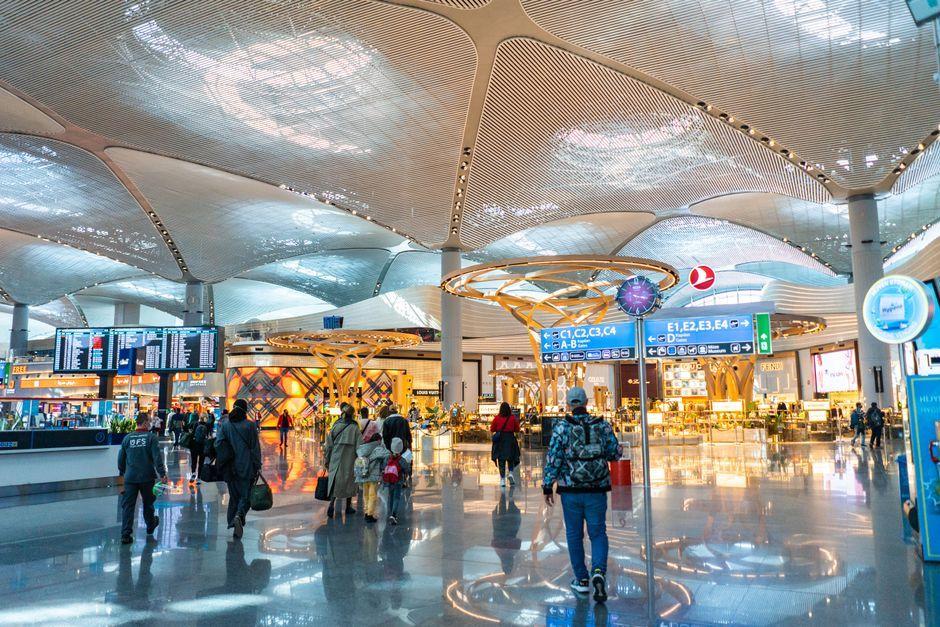
Stock photo for illustration only, not from the actual event
- Twenty-five years post-9/11, identity and pre-authorization drive travel policy.
- Trusted frequent fliers enjoy near-invisible and seamless airport processes.
- Travelers from high-scrutiny nations face rigorous forms, interviews, and waits.
Twenty-five years after September 11, the most visible changes in travel are no longer the most compelling ones. While airport security rituals, shoe removals, and liquid restrictions became standard for a generation of fliers, the broader system evolved to fundamentally transform the role of identity in global mobility. Over the past quarter-century, the industry mastered the art of making trips easy to search, book, and navigate, while governments perfected the mechanisms of deciding who gets to take those journeys in the first place.
For certain travelers, the resulting journey is smoother than anything imaginable in 2001. For others, however, travel friction now begins long before they ever set foot inside an airport terminal. While biometrics and digital identity schemes promise frictionless transit, they primarily serve individuals whom the system already recognizes and deems low-risk.
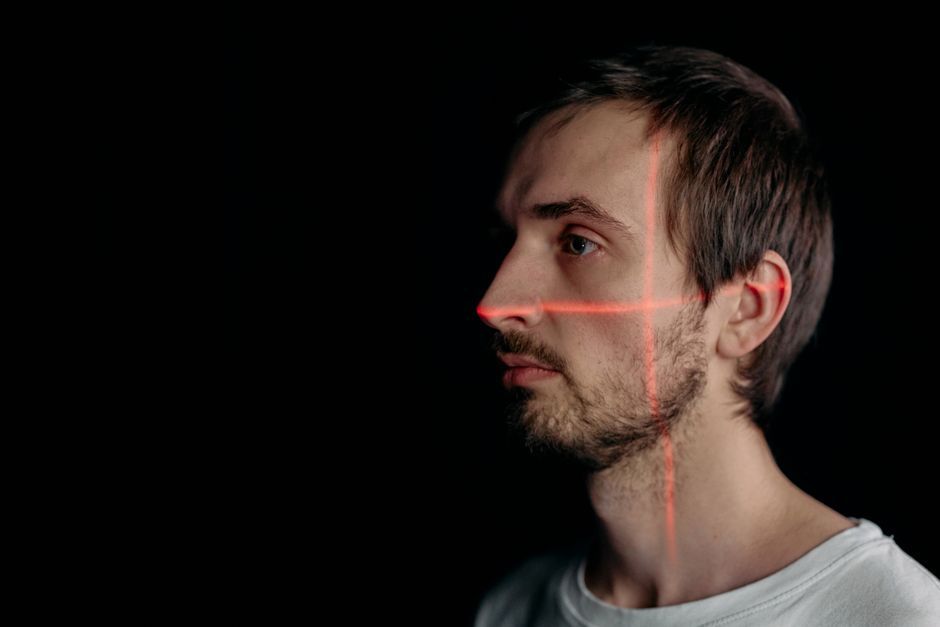
Stock photo for illustration only, not from the actual event
The fundamental shift lies in moving permission much earlier in the journey through pre-authorization regimes. Systems such as the U.S. ESTA, the UK's ETA, and Europe's Entry/Exit System (EES) and ETIAS mean that borders effectively begin long before passengers reach an immigration officer. Airlines now know whether a government considers a passenger eligible well in advance.
The widespread adoption of pre-authorization frameworks like EES and ETIAS demonstrates that national borders have shifted from physical airport terminals to digital application portals abroad. While this efficiently secures national borders and accelerates transit for elite travelers, it institutionalizes a structural inequality that disadvantages visitors from countries subjected to intense vetting.
Consequently, travel has become profoundly bifurcated. Frequent fliers holding strong passports and trusted-traveler memberships experience nearly invisible processes, whereas visitors from higher-scrutiny jurisdictions encounter months of forms, interviews, financial documentation, and uncertainty. Technology has made this sorting mechanism highly efficient rather than more egalitarian.
Source: Skift
Found something wrong in this article? Report an issue with this article
Comments
Leave a Comment