

Amulet Placement Guide: Auspicious Directions and Taboos
Discover auspicious directions for placing amulets at home such as the East and North, alongside taboos like under stairs and near bathrooms.
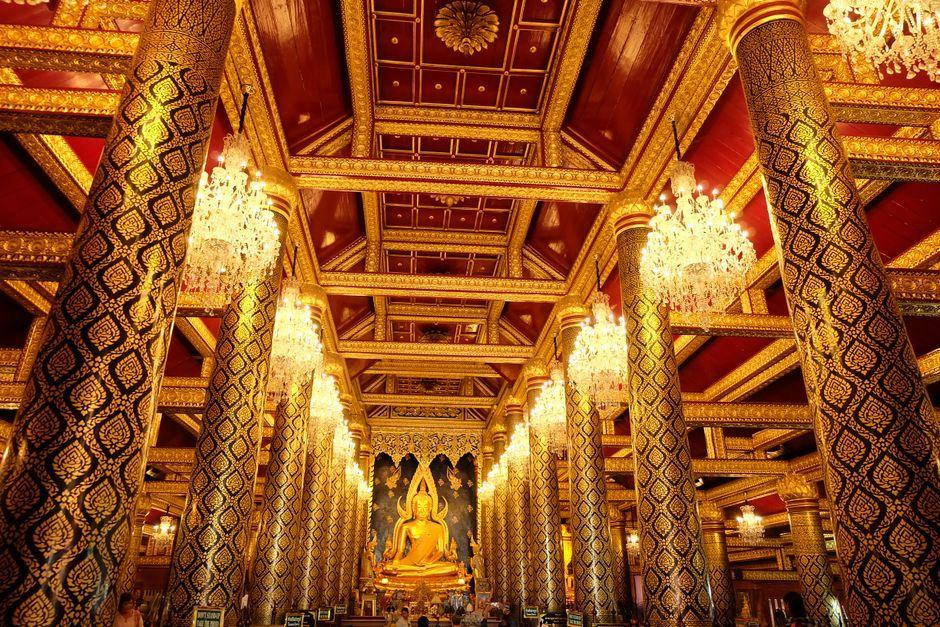
Stock photo for illustration only, not from the actual event
- The East and North directions enhance career progress and stability at home.
- Placing amulets under stairs, beams, or next to bathrooms should be strictly avoided.
- Buddha statues must occupy the highest tier, followed by disciples and revered monks.
- Regular cleaning and changing of water offerings maintain a peaceful home atmosphere.
Arranging amulets and sacred objects within a Thai household is traditionally believed to bring auspicious energy and prosperity to the residents, with specific directions offering distinct spiritual benefits.
The East, known as the royal direction, captures the first light of day to boost life energy and career advancement. The North serves as the primary direction for stability and peace, making it ideal for meditation, while the Northeast acts as the wealthy direction that attracts fortune and financial flow.
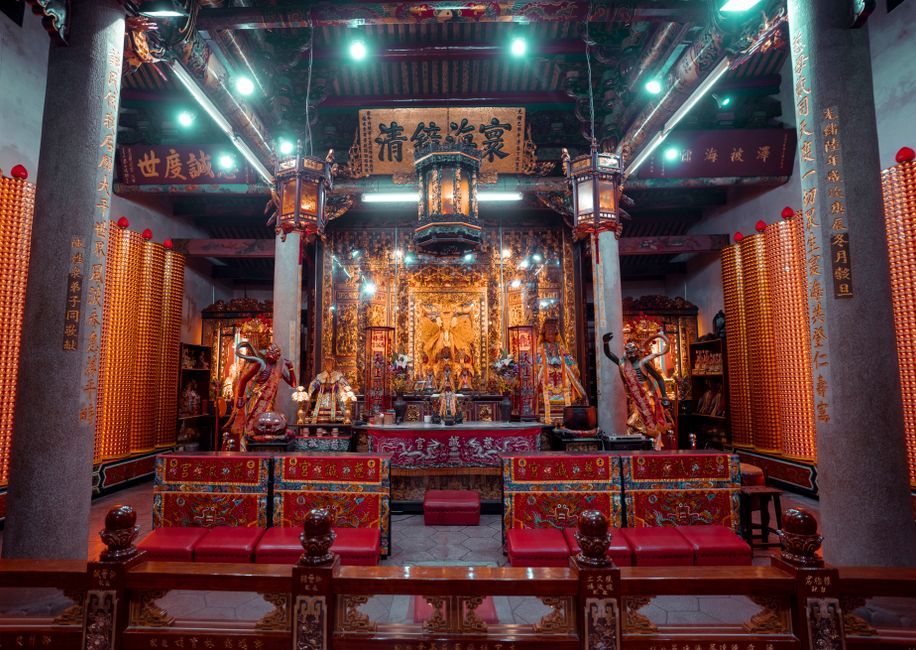
Stock photo for illustration only, not from the actual event
Conversely, certain locations are strictly discouraged for placement. These include areas under staircases where people constantly walk overhead, spaces beneath structural beams, and walls adjoining bathrooms or kitchens where humidity, heat, and food odors can damage sacred items. The foot of the bed is also unsuitable; if placed in a bedroom, they should be positioned above the headboard with a room divider.
The traditional hierarchy of placing sacred objects in Thai culture not only reflects religious reverence but also aligns with practical spatial design and hygiene. Avoiding damp areas near plumbing and choosing quiet corners away from household traffic ensures that the sacred space remains serene, supporting both spiritual practices and daily domestic tranquility.
According to traditional Thai Buddhist principles, sacred objects must be arranged in the following hierarchical tiers:
- Highest tier: Buddha statues and relics placed centrally at the highest position.
- Second tier: Chief disciples such as Sariputta and Moggallana placed to the right and left of the main Buddha.
- Third tier: Venerable monks and revered masters like Luang Pu Thuad.
- Fourth tier: Deities and celestial beings such as Ganesha or Guan Yin.
- Fifth tier: Monarchs, ancestors, and protective amulets.
Proper maintenance is equally essential. Regularly dusting the altar, refreshing water offerings, and replacing withered flowers help preserve a tranquil environment and bring peace of mind to everyone in the household.
Source: Thairath Lifestyle
Found something wrong in this article? Report an issue with this article
Comments
Leave a Comment