

Why Cut Apples Turn Brown and Whether They Are Still Safe to Eat
Explore the chemical science behind browning apples, simple kitchen techniques to prevent it, and expert advice on safety.
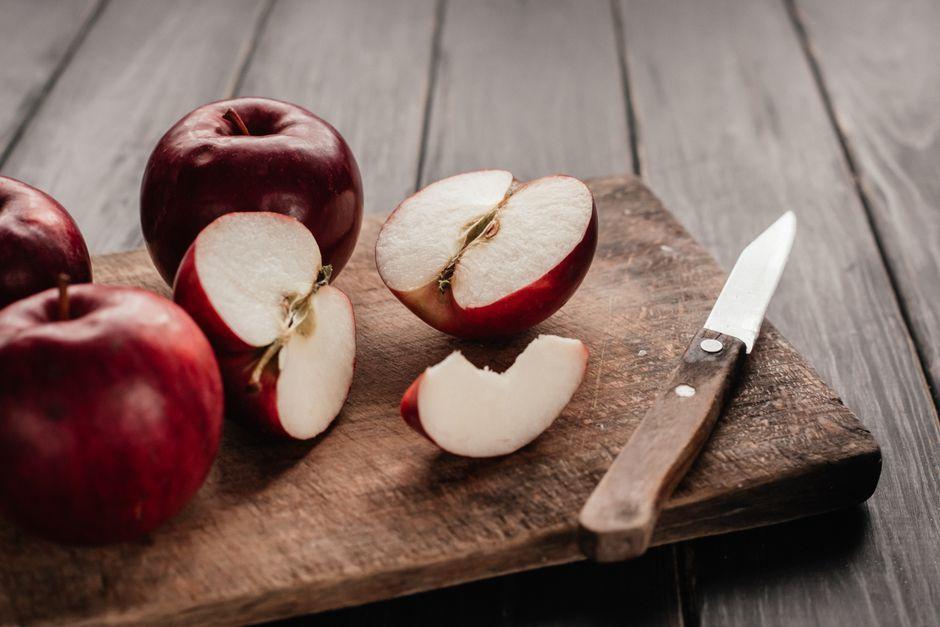
Stock photo for illustration only, not from the actual event
- Apples turn brown through Enzymatic Browning when PPO enzymes react with oxygen.
- Experts confirm that oxidation-browning apples remain completely safe to consume.
- Browning can be easily prevented using lemon juice, saltwater, or honey solutions.
Many of us have experienced slicing or peeling fresh apples for a snack, only to watch the creamy white flesh turn an unappealing shade of brown within minutes. While this transformation looks discouraging, it is not a sign of decay, but rather a natural chemical mechanism taking place inside the fruit's cellular structure.
According to research from food science and nutrition institutions, this color change is driven by a reaction known as "Enzymatic Browning." Under normal conditions, apple cells keep an enzyme called polyphenol oxidase (PPO) compartmentalized away from phenolic compounds. However, slicing, peeling, or bruising ruptures the cell walls, allowing PPO and phenolics to mix. When exposed to oxygen in the air, the enzyme accelerates an oxidation reaction, converting phenolic compounds into brown pigments called melanin, which plants naturally use to inhibit the spread of fungi and bacteria.
This Enzymatic Browning reaction is not exclusive to apples; it happens just as frequently in bananas, pears, potatoes, tomatoes, and avocados once they are cut or peeled.
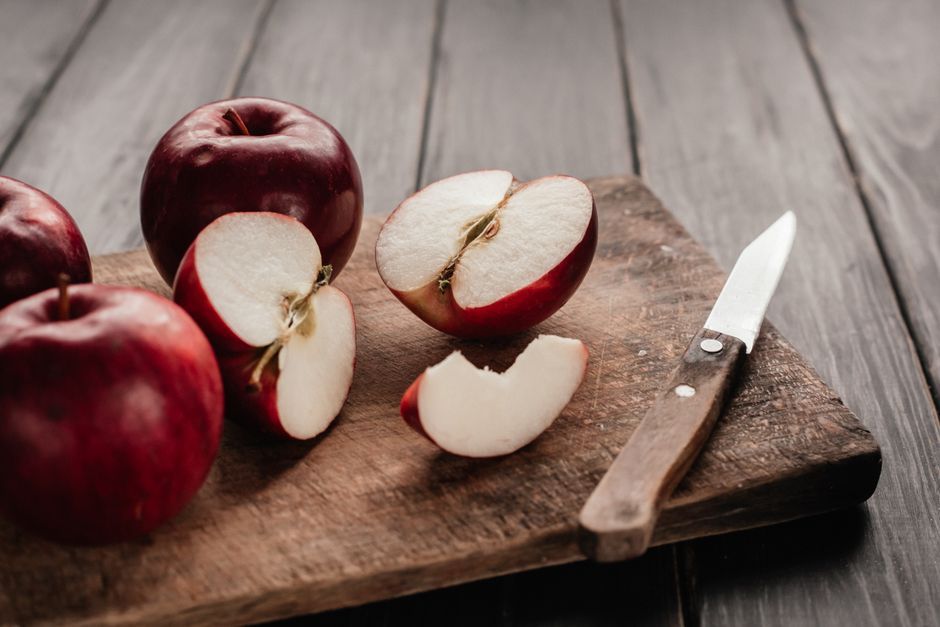
Stock photo for illustration only, not from the actual event
Context and Insight: The melanin produced by plants during oxygen exposure is a natural defense mechanism conceptually similar to how human skin produces melanin pigment to protect cells. Although aesthetically unpleasing, the pigment itself poses no harm to human health.
A common concern is whether these browned apples are still safe to eat. Public health and nutrition experts clarify that apples turning brown from oxidation "can still be eaten normally and pose no danger to the body." Most of the taste and texture remain intact, and while vitamin C levels may drop slightly from oxygen exposure, dietary fiber, minerals, and natural sugars remain fully preserved.
On the other hand, if an apple develops a very dark brown color, turns mushy, smells sour like fermentation, or forms a slimy coating, that indicates microbial spoilage and should never be eaten.
To maintain the visual appeal and nutritional value of fresh apples for snacks or catering, several household techniques can be easily applied:
- Lemon juice bath: Mix 1 tablespoon of lemon juice with 1 cup of water and soak for 3-5 minutes to lower pH and inhibit PPO activity.
- Dilute saltwater soak: Mix half a teaspoon of salt in 1 liter of water, soak for 5 minutes, and rinse with clean water without leaving a salty taste.
- Honey water soak: Mix 2 tablespoons of honey with 1 cup of warm water and soak apple slices for about 5 minutes; peptides help block discoloration.
- Carbonated drinks or chilled ginger water: Carbon dioxide and mild acids prevent oxygen from directly touching the fruit flesh.
- Airtight containers or plastic wrap: Physical barriers reduce direct air contact, especially when combined with refrigeration at 4-6 degrees Celsius.
Source: Thairath Lifestyle
Found something wrong in this article? Report an issue with this article
Comments
Leave a Comment