

BOI 2026 EV Tax Reform: Imported EVs Without Thai Plants Face Higher Taxes
Thailand's EV board approved a new excise tax structure on Sept 10, 2026, linking tax rates to local production while 7-month BEV registrations surged 88%.
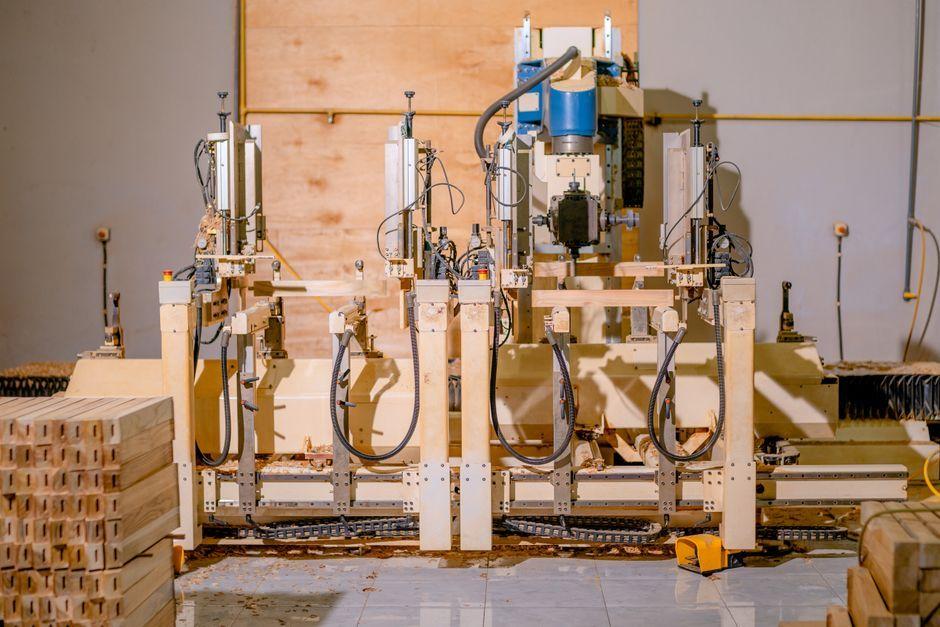
Stock photo for illustration only, not from the actual event
- Thailand's EV board approved a new excise tax structure tied to local manufacturing
- Imported EVs without local manufacturing plants will face higher excise taxes
- Automakers investing in local plants and using Thai parts will get lower tax rates
- Two subcommittees were established to oversee advanced manufacturing and charging infrastructure
Thailand's National Electric Vehicle Policy Board approved in principle a new electric vehicle excise tax structure on September 10, 2026, operating under the concept of tailoring taxes to contributions made to the country. Electric vehicles imported from overseas without a production plant in Thailand will face increased excise taxes, whereas automakers that invest in establishing local plants and utilize a higher proportion of domestically produced parts will receive lower tax rates.
Narit Therdsteerasukdi, Secretary-General of the Board of Investment (BOI) and board member and secretary of the EV board, revealed the meeting results chaired by Pichai Chunhavajira or Ekniti Nitithanprapas, Deputy Prime Minister and Minister of Finance. The primary objective is to utilize the tax structure as a mechanism to drive Thailand's automotive and parts industry into a global production base across all technologies. The newly adjusted tax structure will categorize rates into four main groups based on investment levels, production volume, and value-added creation within Thailand.
This revised tax framework aims to incentivize manufacturers to expand their production bases and increase the utilization of critical components domestically rather than merely importing completely built units for sale. Furthermore, the meeting approved the establishment of two subcommittees to drive EV policies: the Subcommittee on Promoting Advanced Automotive Manufacturing and Parts, chaired by the Minister of Industry, and the Subcommittee on Developing Infrastructure Systems to Support EV Charging, chaired by the Minister of Energy.
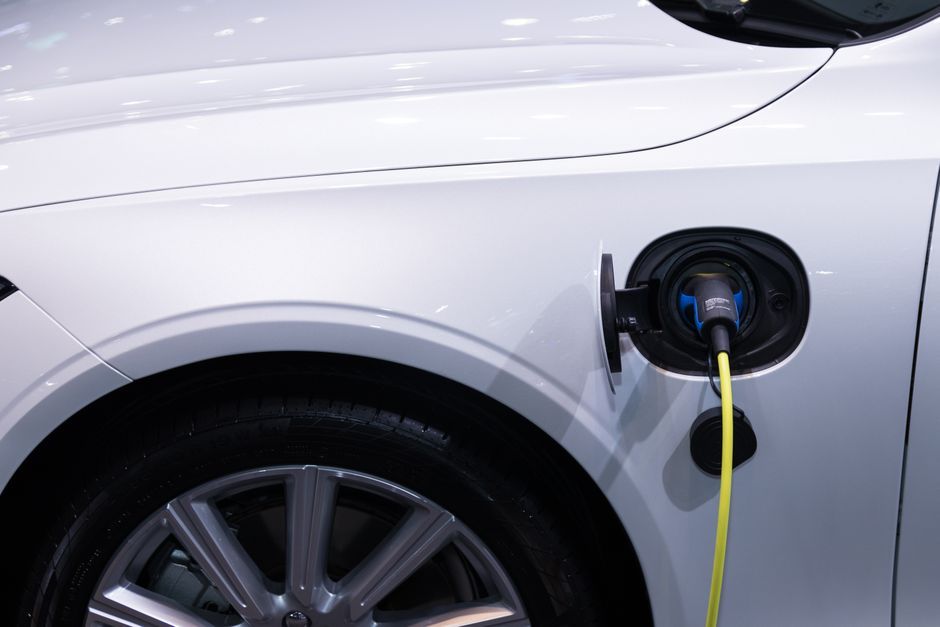
Stock photo for illustration only, not from the actual event
Data reported during the meeting reflects a clear transition period in Thailand's automotive market. During the first seven months of 2026, battery electric vehicle (BEV) registrations reached 126,950 units, representing an 88 percent increase compared to the same period of the previous year. When combining all electrified vehicle types, known collectively as xEVs—which encompass BEVs, hybrid electric vehicles (HEVs), and plug-in hybrid electric vehicles (PHEVs)—they accounted for 55 percent of all new vehicle registrations.
"This excise tax restructuring is a crucial moment to balance imports and domestic investment, reinforcing the status of a global automotive production base ready for all future technologies."
Narit Therdsteerasukdi, BOI Secretary-General
Regarding investment data as of August 31, 2026, the BOI has promoted a total of 189 projects in the EV industry and related businesses, with a combined investment value of 151,372 million baht. Battery manufacturing projects secured the highest investment value at 87,073 million baht, followed by BEV manufacturing at 38,563 million baht, and critical parts manufacturing at 12,558 million baht. In addition, established automakers with existing production bases in Thailand, such as Mitsubishi, Honda, Mazda, and Isuzu, plan to invest over 50,000 million baht more to develop new vehicle models and upgrade production lines with automation and robotics.
Adjusting the excise tax structure based on domestic production proportions serves as a proactive measure to protect the local supply chain from being disrupted by an influx of low-cost imported electric vehicles. It also indirectly compels global automakers to transfer technology and generate employment for the Thai workforce if they wish to remain competitive in the long-term market.
Regarding infrastructure progress, promoted EV charging station projects plan to install a total of 23,135 charging connectors, of which 10,249 are quick chargers, accounting for approximately 85 percent of the 12,000-connector target set for 2030. This demonstrates that both automotive manufacturing bases and supporting infrastructure are developing concurrently in a systematic manner.
Source: Techsauce
Found something wrong in this article? Report an issue with this article
Comments
Leave a Comment