

France raises Champagne alcohol cap to 15% amid heatwave
Extreme heat and drought in France caused grapes to develop exceptionally high sugar levels, prompting officials to temporarily raise the champagne alcohol cap to 15%.
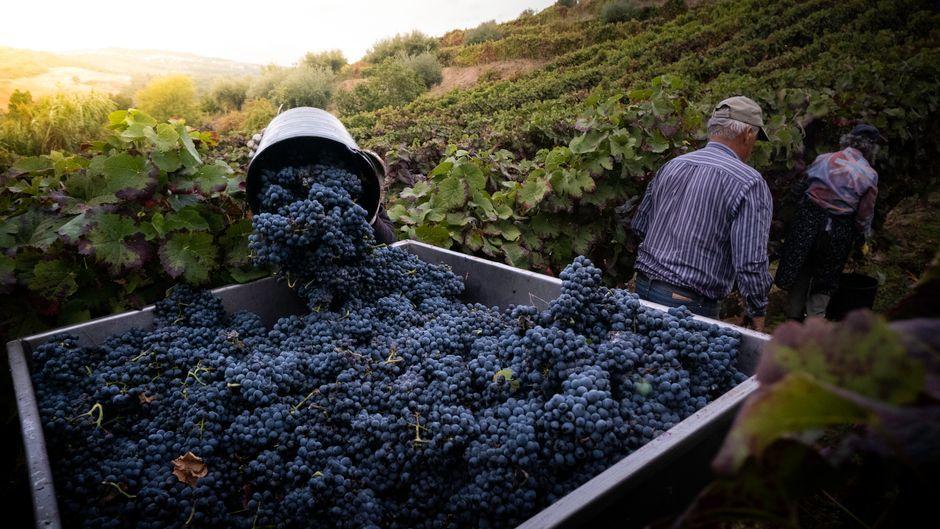
Stock photo for illustration only, not from the actual event
- Extreme heatwaves and droughts caused grapes to accumulate high sugar levels.
- Winemakers can temporarily produce champagne with up to 15% alcohol content.
- Grape harvesting began in early August, the earliest ever recorded in the region.
- The 2026 vintage champagne is expected to hit store shelves by 2028.
Severe weather conditions and punishing heatwaves sweeping across France have triggered direct consequences for agricultural yields, most notably affecting the world-famous champagne industry. Industry officials and regulatory bodies have announced that winemakers can temporarily produce champagne with an alcohol content reaching up to 15%, lifting the standard regulatory cap previously set at 13% to accommodate exceptionally elevated sugar levels in harvested grapes.
The extreme heat and drought conditions produced grapes with significantly higher sugar concentrations than usual. During the fermentation process, yeast naturally converts these sugars into alcohol. A spokeswoman for the Comite Champagne told the BBC that while the regulatory limit has been exceptionally and temporarily increased to 15% exclusively for this year, only a small number of wines are expected to be affected, with certain bottles from the second fermentation reaching around 13.1% or 13.2%.
Furthermore, the association noted that the grape harvest commenced in early August and expanded by mid-August, marking the earliest harvest ever recorded in Champagne. Maxime Toubart, co-chair of the Comite Champagne, told the AFP news agency that rising temperatures mean this unusual harvest pattern will likely become the standard practice within the next 10 to 15 years.
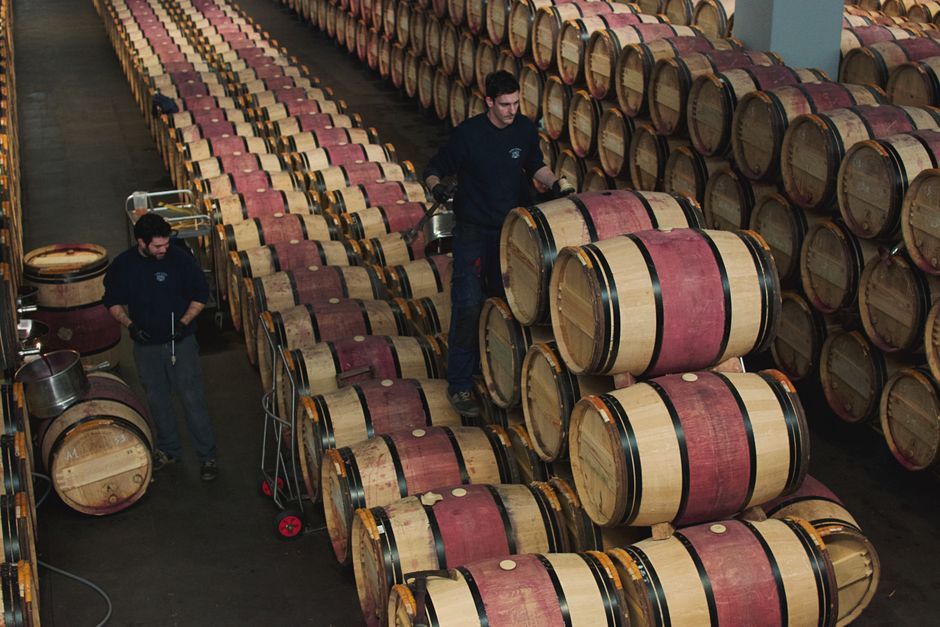
Stock photo for illustration only, not from the actual event
"The battle between what consumers want and what nature provides must be very stressful for producers."
However, from a commercial standpoint, Jane Anson, a Bordeaux-based wine columnist and author, warned the Times that higher-strength champagne is unlikely to serve as an attractive selling point. Today's consumers increasingly prefer beverages with lower alcohol content, leaving producers caught in a stressful dilemma between market demands and environmental realities.
Global climate change continues to exert intense pressure on worldwide food and beverage supply chains, with Europe standing out as the fastest-warming continent on Earth. According to the Copernicus climate service, Europe is heating up at twice the global average rate, driving frequent and intense heatwaves, droughts, and wildfires across nations like France. This environmental shift forces traditional farming sectors to urgently adapt their regulatory frameworks and production methods to survive a warming planet.
Consumers looking forward to tasting the 2026 vintage will need to exercise patience. Because champagne must undergo an aging process of at least 15 months, the affected bottles are unlikely to hit store shelves until 2028.
Source: BBC Science & Environment
Found something wrong in this article? Report an issue with this article
Comments
Leave a Comment