

Saudi Arabia shuts key oil pipeline after drone attack
Saudi Arabia temporarily shut its 1,200km East-West oil pipeline following a drone attack launched from Iraq amid widening Middle East conflict.
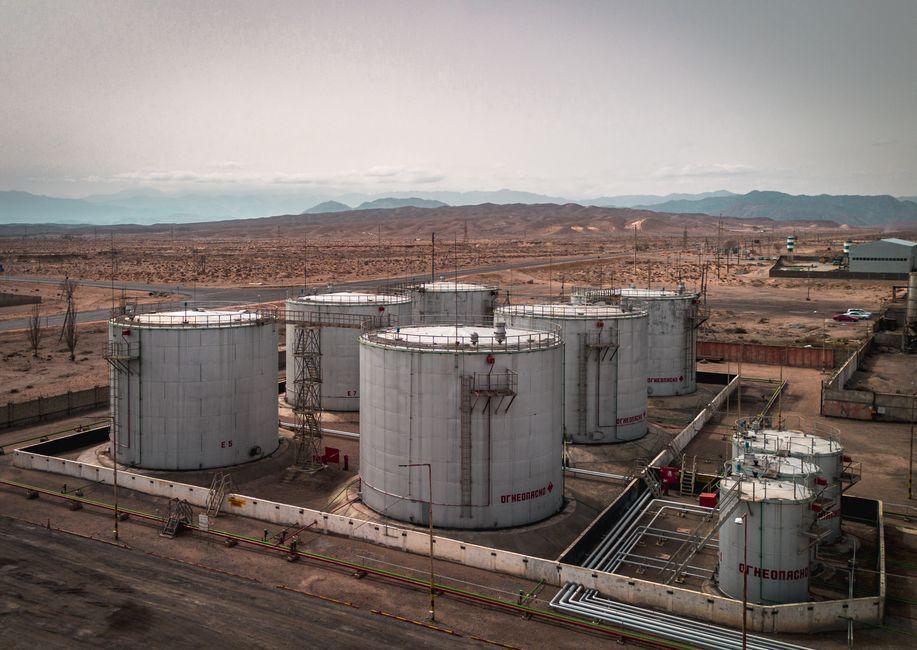
Stock photo for illustration only, not from the actual event
- Saudi Arabia temporarily closes its critical 1,200km East-West oil pipeline after an attack.
- Iraq dismisses a military commander in Maysan province after tracing the drone launch site.
- Houthi advances in Yemen pressure global shipping as crude oil prices surpass $100 a barrel.
- The UN reports over 76,000 displaced people in Yemen amid a rapidly worsening humanitarian crisis.
Saudi Arabia has suspended operations at a critical oil pipeline connecting its eastern and western coasts as a precautionary measure following a drone strike. The incident occurred as geopolitical conflicts across the Middle East expand rapidly, posing severe risks to international energy security and vital supply chains.
Iraqi authorities subsequently announced the removal of the operations commander in Maysan province, which borders Iran, alongside an official investigation. Confirmation emerged that the unmanned aerial vehicle used in the neighbor's pipeline attack originated from that specific border region. Previously, Riyadh has repeatedly accused Iran-backed militias operating within Iraqi territory of targeting its petroleum infrastructure.
The affected East-West pipeline spans approximately 1,200 kilometers, or 745 miles, serving as a vital conduit allowing the world's largest crude oil exporter to bypass the strategic Strait of Hormuz. According to ship-tracking firms and industry analysts cited in reports, this specific infrastructure accounts for roughly 4% to 5% of the total global oil supply.
Stock photo for illustration only, not from the actual event
This security incident coincides with major territorial advances by Iranian-backed Houthi rebels in Yemen, piling additional pressure on vital global maritime trade routes as the ongoing conflict involving the US and Iran reaches its seventh month. Recently, Saudi-backed Yemeni government forces stated they launched strikes against Houthi positions in the strategic coastal city of Mokha, just a day after insurgent forces seized control of the entire Red Sea coastline.
"The Kingdom of Saudi Arabia affirms that it reserves its right to take all necessary measures to safeguard its sovereignty and security, protect its facilities, and ensure the safety of its citizens and residents,"
Saudi Foreign Ministry
Saudi Arabia's heavy reliance on the East-West pipeline to bypass the Strait of Hormuz highlights the inherent fragility of key maritime chokepoints in the Middle East. When critical passages like the Strait of Hormuz or the Bab al-Mandab Strait face security threats, shipping and insurance costs surge immediately, triggering macroeconomic shocks that drive up global oil prices and stoke inflation worldwide.
Despite sustaining minor injuries and facility damage, the Saudi foreign ministry stated that the kingdom has chosen not to retaliate militarily at this stage, following a phone call from the Iraqi prime minister. Meanwhile, the Gulf Cooperation Council (GCC)—representing Saudi Arabia, the UAE, Bahrain, Oman, Qatar, and Kuwait—issued a joint statement condemning the strike as a dangerous escalation and a flagrant violation of international law.
The compounding crises on both sides of the Arabian Peninsula pushed crude oil prices above $100 a barrel for the first time since July. Concurrently, the United Nations warned of a rapidly worsening displacement crisis in Yemen, with more than 76,000 individuals forced from their homes. Analysts note that traditional buffers protecting the oil market are largely depleted, signaling that energy prices and government borrowing costs will continue to climb if hostilities persist.
Source: BBC World
Found something wrong in this article? Report an issue with this article
Comments
Leave a Comment