

Architecting a Low-Power Geofencing Engine on Android
Behind the scenes of building an offline, battery-efficient automated sound profile manager on Android using GeofencingClient.

Stock photo for illustration only, not from the actual event
- Developer builds Muffle to solve the common issue of loud phone rings in meetings.
- The system operates fully offline to protect user privacy and save battery.
- Utilizes Google Play Services GeofencingClient instead of constant GPS polling.
- Overcomes background execution limits with Foreground Services and a 60-second hysteresis buffer.
It all started during a quiet mid-afternoon meeting when an aggressive ringtone shattered the silence and left the developer scrambling to silence the device. Manually toggling between vibrate, silent, and normal modes dozens of times a day became a tedious chore, while existing solutions felt bloated, relying on cloud syncs and battery-draining polling that slowed the phone down.
To build a reliable solution, the core requirements were set: fully offline, privacy-focused, and battery-efficient. Recognizing that time schedulers fall short of human location habits at places like the gym, office, or library, a geofencing engine was implemented. The primary hurdle was balancing location accuracy with battery longevity, knowing that continuous GPS tracking would instantly drain a user's battery by 20% in an afternoon.
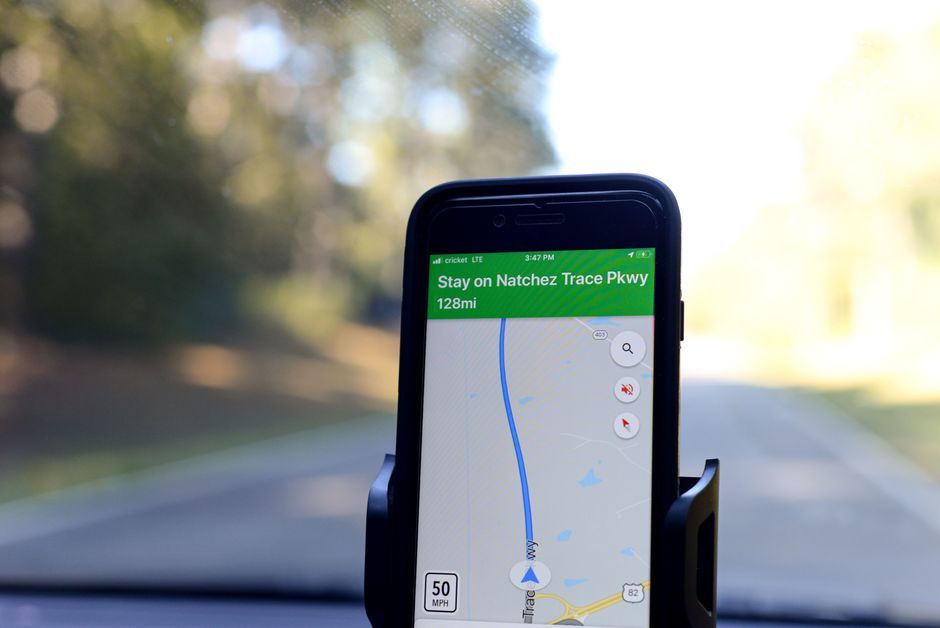
Stock photo for illustration only, not from the actual event
The chosen approach leveraged the GeofencingClient within the Google Play Services Location API, offloading monitoring tasks to the system by defining circular regions. However, dense urban environments with tall buildings introduce GPS signal bouncing, causing 'false exits'. To combat this, a hysteresis buffer with a 60-second timer was introduced to verify that the device remains outside a zone before toggling sound profiles.
Building reliable background systems on modern Android versions requires navigating aggressive power-saving features like Doze mode. Developers cannot rely solely on standard background permissions and must implement robust fallback mechanisms and state persistence using local databases like Room to ensure graceful recovery after device reboots.
Testing revealed that modern Android's background execution is fragile, with Doze mode delaying geofence triggers by up to twenty minutes. To resolve this, a short-lived foreground service with a notification was triggered upon geofence events to elevate the app's priority. Additional refinements included adding an emergency bypass for family calls and shifting storage architecture to UTC timestamps to handle complex time zone shifts.
The ultimate takeaway from architecting this background system is to respect the user's battery as much as their privacy by leveraging event-based platform APIs rather than building polling loops. Testing across budget Android devices with strict background management policies ensures that the application remains robust and reliable anywhere.
Source: Dev.to
Found something wrong in this article? Report an issue with this article
Comments
Leave a Comment