

Skimpflation warning as tinned mackerel alternative hits shelves
Supermarkets are replacing traditional tinned mackerel with Chilean jack mackerel to cut costs, sparking nutrition and labelling concerns.

Stock photo for illustration only, not from the actual event
- Consumer groups warn of skimpflation as supermarkets substitute tinned mackerel with jack mackerel.
- Jack mackerel contains about half the omega-3 and a third of the vitamin B12 of traditional species.
- The shift stems from dwindling Atlantic mackerel stocks driven by years of overfishing.
- Major brands like Princes and Lidl have adopted the cheaper, more sustainable substitute.
A growing trend of supermarkets selling a cheaper, less nutritious alternative to tinned mackerel highlights an emerging consumer concern known as skimpflation, according to consumer advocates.
Princes, a major supplier to leading supermarkets, has replaced traditional mackerel with jack mackerel, while discount retailer Lidl has introduced similar products under its house brand. This transition was driven by severe reductions in Atlantic mackerel stocks following years of overfishing, making the Chilean counterpart a more sustainable and significantly cheaper option at roughly one-third of the wholesale cost.
Despite the similar name, jack mackerel belongs to an entirely different fish family, Carangidae, compared to the Scombridae family of traditional mackerel. Nutritional analyses show it contains roughly half as much omega-3 and about a third of the vitamin B12, prompting consumer complaints regarding taste, texture, and transparent labelling.
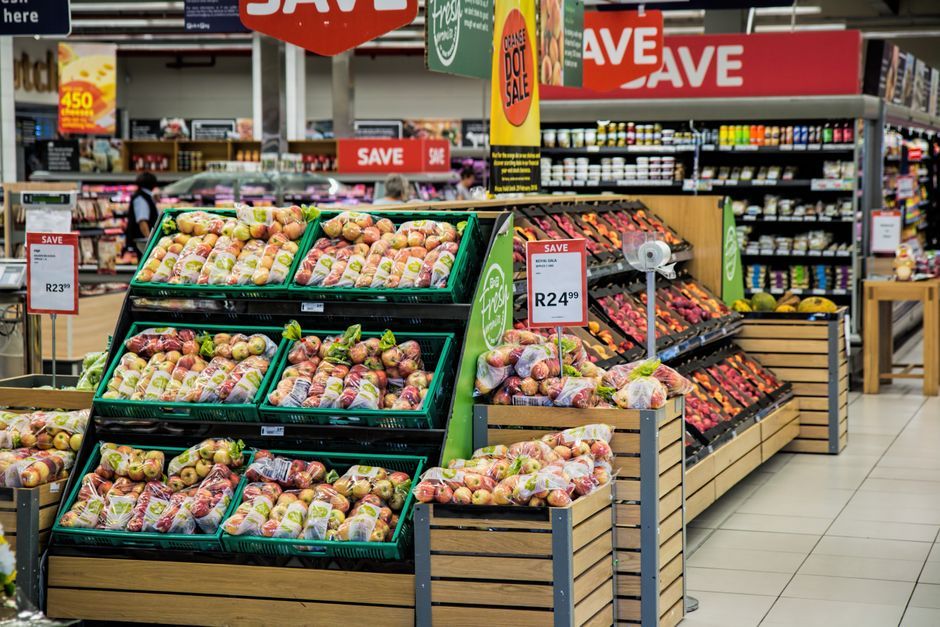
Stock photo for illustration only, not from the actual event
"Skimpflation - quietly changing ingredients to cut costs - has become increasingly common, but it can feel particularly sneaky as shoppers may not realise a product has changed until they get it home and eat it."
Consumer Group Representative
The ingredient switch mirrors the broader fallout from the ongoing mackerel war, a long-standing dispute among North Atlantic nations over shared catch quotas. Exceeding scientific catch advice for over a decade has caused fish populations to plummet by three-quarters, leading to the loss of Marine Stewardship Council certification for Atlantic catches.
The rise of skimpflation in the seafood sector illustrates how global supply chain pressures and resource depletion force food manufacturers to alter product formulations quietly. While substituting species helps maintain low retail prices and meets sustainability criteria for alternative fisheries, it ultimately shifts the burden onto consumers who receive lower nutritional value and face transparency issues.
Source: BBC Business
Found something wrong in this article? Report an issue with this article
Comments
Leave a Comment