

35 Years of Airport Operations: Technology Changes, People Rule
Wanpen Prapaiphum, a 35-year airport operations veteran, reflects on aviation evolution from paper tickets to the digital era where the human touch remains essential.
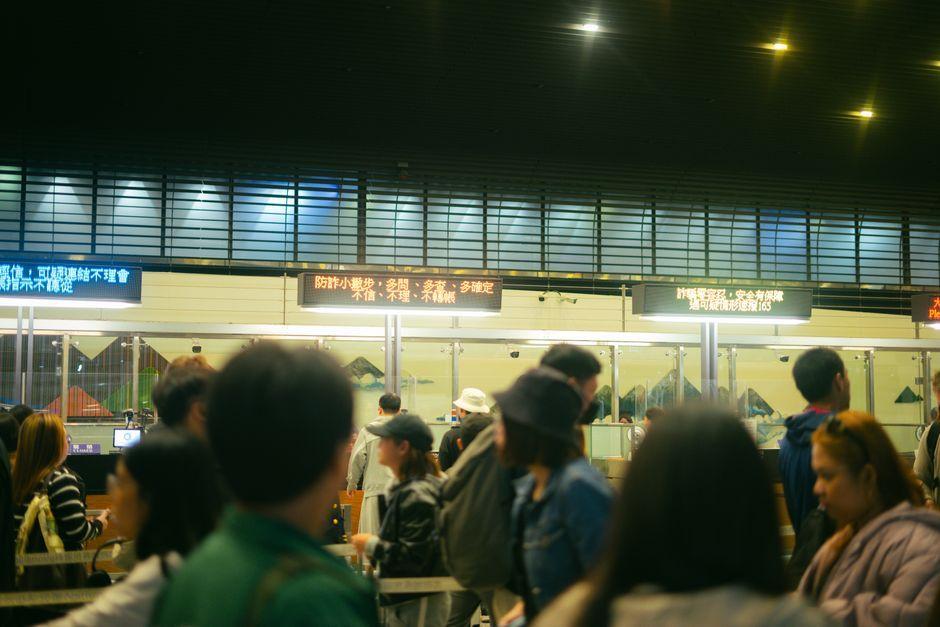
Stock photo for illustration only, not from the actual event
- Wanpen Prapaiphum brings over 35 years of ground operations experience.
- Past operations required 5 sets of handwritten tickets for 18 global flights across 5 continents.
- Modern tech enables bookings, check-ins, and real-time updates via smartphones.
- Warm human service remains crucial during crises when technology falls short.
When thinking of air travel, many picture pilots soaring through the skies or flight attendants caring for passengers. In reality, a passenger's journey begins the moment they step into the airport, guided by behind-the-scenes ground operations teams.
Wanpen Prapaiphum, a Duty Airport Operations Manager with over 35 years of experience managing millions of travelers, reflects on an era when air travel differed entirely from today. In the past, passengers had to visit service offices to obtain handwritten paper tickets. Rerouting took considerable time and demanded high precision, such as issuing handwritten tickets across 5 continents and 18 flights, which required 5 sets of handwritten documents under strict time constraints before check-in counters closed.
Today, technology has completely transformed travel contexts. Every step from flight searching, checking in, and seat selection to payment can be completed via smartphones within minutes, highlighting a full transition into the digital age.
Convenience and speed now play leading roles, allowing passengers to manage trips 24/7, reducing queue times and data errors, while receiving real-time flight status and gate change notifications via apps. Furthermore, new media influences travel decisions more through social media reviews and authentic user feedback than pure brand image.
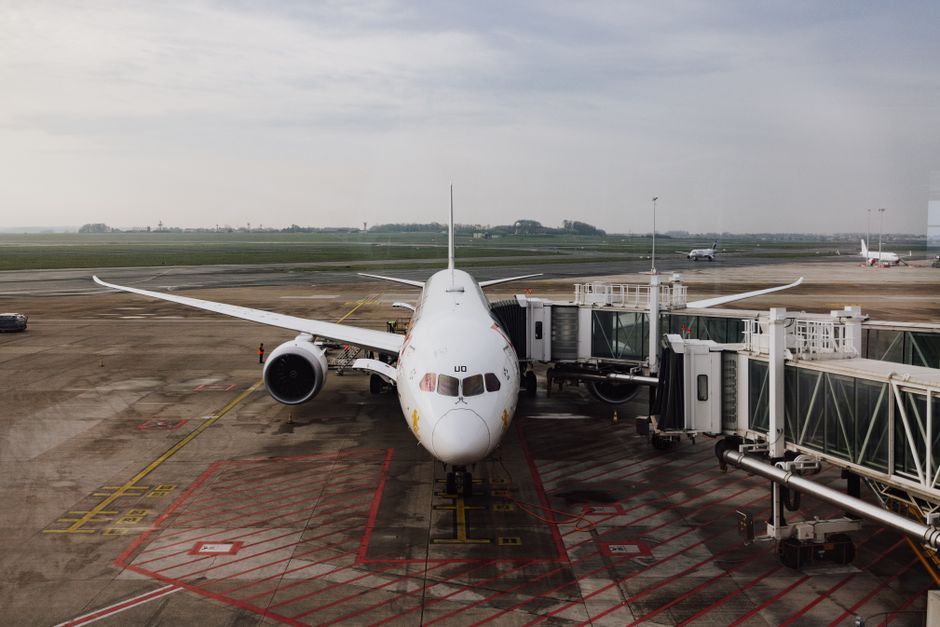
Stock photo for illustration only, not from the actual event
"Warm and attentive service"
Wanpen Prapaiphum
Nevertheless, while digital systems accelerate operations and minimize errors, operations experts emphasize that passengers still value warm and attentive service. Particularly during unexpected situations like flight delays, severe weather, or technical glitches, human coordination, accommodation arrangement, communication, and assistance for special needs groups remain irreplaceable factors in easing anxiety.
The evolution from paper tickets to digital systems highlights how the aviation industry relies on speed and data accuracy to handle massive passenger volumes. From a crisis management perspective, however, the human touch remains the vital variable for maintaining consumer trust. When emergencies occur where automated systems cannot evaluate emotional states or provide psychological reassurance, empathetic communication and problem-solving by staff become essential in turning crises into positive experiences.
Limitations of technology include:
- Lack of emotional dimension to listen to or comfort panicked passengers.
- Constraints during critical situations when systems fail to process complex contingencies.
- Accessibility gaps for elderly passengers or those requiring special assistance.
Technology and automated systems enhance modern travel lifestyles, but the role of people and genuine service dedication remain irreplaceable. Balancing advanced technology with heart-driven service creates the ultimate travel experience.
Source: Thairath Lifestyle
Found something wrong in this article? Report an issue with this article
Comments
Leave a Comment