

John Deere Tractor Repair: Farmers Are Not Sold on It
A journalist tests John Deere's self-repair service on a tractor, revealing why most farmers remain skeptical about the initiative.
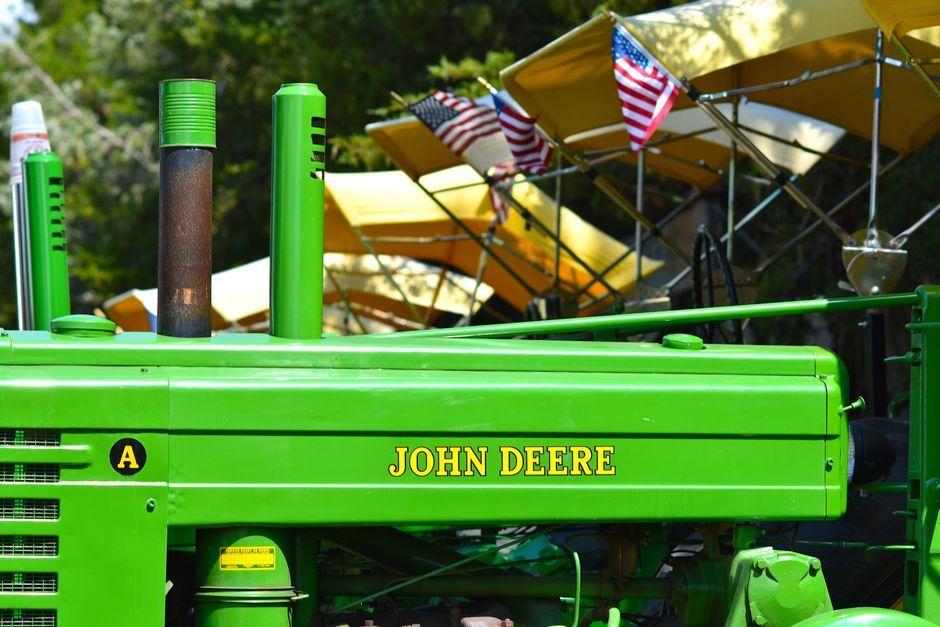
Stock photo for illustration only, not from the actual event
- John Deere offers a self-repair service allowing owners to fix equipment.
- A journalist successfully tested the service and documented the experience.
- Feedback shows most farmers remain hesitant and unconvinced by the system.
Agricultural equipment maintenance has always been critical for farming operations, especially when a tractor breaks down during peak planting or harvesting seasons. Delays in getting machinery repaired can result in severe financial losses for farmers, historically forcing them to rely heavily on expensive authorized service technicians and lengthy downtime.
In response to mounting global pressure regarding the Right to Repair movement, major equipment manufacturer John Deere introduced a self-repair service designed to give owners access to official tools, manuals, and diagnostic capabilities to tackle machinery issues on their own terms.

Stock photo for illustration only, not from the actual event
To evaluate how well this initiative works in practice, a journalist from Ars Technica took on the challenge of using John Deere’s self-repair service to fix a tractor firsthand, providing a detailed look at both the practical capabilities and limitations of the program.
The introduction of manufacturer-backed self-repair programs marks a notable shift in heavy machinery industries following intense advocacy for Right to Repair legislation. However, the core friction often lies in software locks and proprietary diagnostic requirements that still require manufacturer authorization, leading many operators to argue that true independent repair remains restricted.
Despite the availability of these repair options, industry feedback indicates that farmers are far from fully convinced. Several key concerns continue to plague the adoption of self-repair services:
- High complexity of modern tractor onboard software and electronics
- Substantial upfront costs for diagnostic tools and proprietary parts
- Risks of compounding equipment damage through user error
- Valuable time lost troubleshooting instead of farming
Source: Ars Technica
Found something wrong in this article? Report an issue with this article
Comments
Leave a Comment