

Starlink Is a Must-Have for Airlines, but Who Pays?
Starlink has become a vital in-flight Wi-Fi service costing around $500,000 per plane, raising the question of who bears the hefty installation bill.
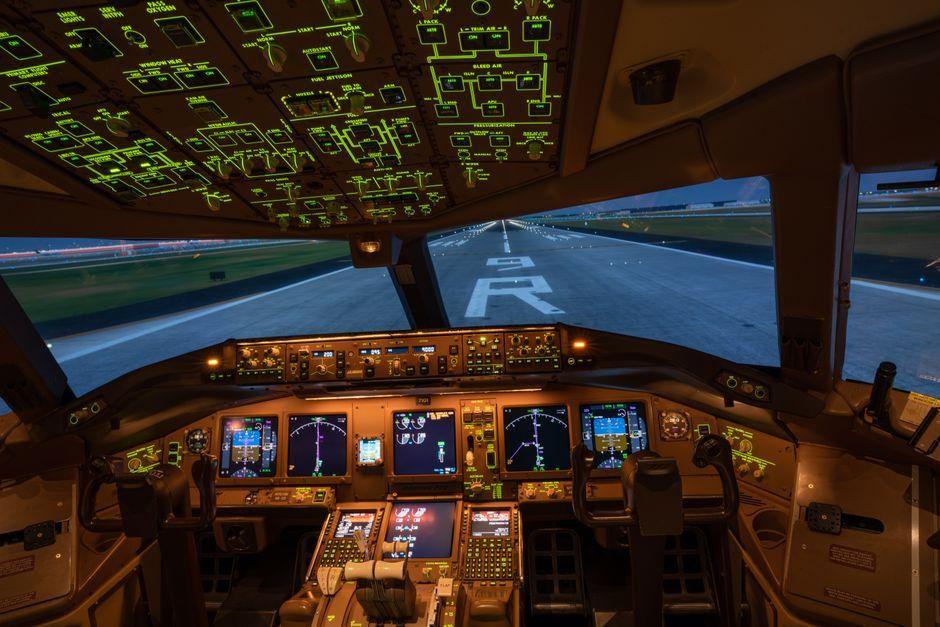
Stock photo for illustration only, not from the actual event
- Starlink has shifted from a luxury to a critical airline necessity.
- Installation costs roughly $500,000 per aircraft plus annual fees.
- Major U.S. carriers have signed on, excluding Delta and JetBlue.
- Rollout speeds are accelerating despite trailing initial targets.
In-flight Wi-Fi used to be an unreliable gamble where passengers paid around 10 dollars for a connection that might fail. However, that landscape is rapidly transforming as global airlines race to secure deals with Starlink, turning high-speed satellite connectivity into a competitive baseline for modern air travel.
Across the United States, most major carriers have partnered with Starlink, with the notable exceptions of Delta, JetBlue, and Allegiant, which chose rival Amazon Leo instead. Internationally, prominent airlines including IAG, Air France-KLM, Lufthansa, Emirates, and Qatar Airways have also integrated or committed to the service.
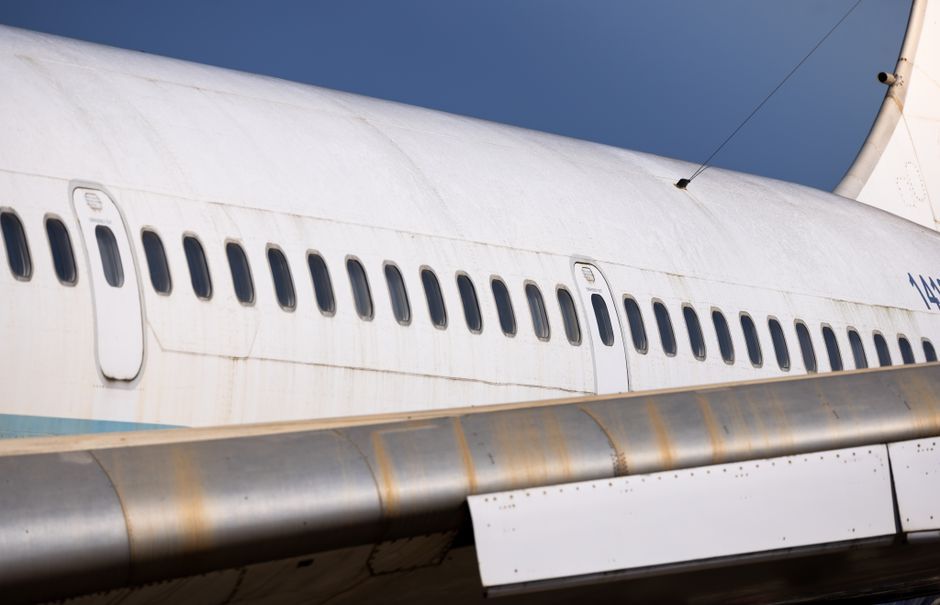
Stock photo for illustration only, not from the actual event
The hype among frequent flyers is palpable. Dedicated websites now allow travelers to check if a specific flight features Starlink, and airlines actively market the capability through their mobile apps and onboard announcements. Some passengers have even taken to social media declaring they will actively avoid airlines lacking the service.
Despite the high demand, the steep economics pose a serious challenge regarding who ultimately pays. Industry estimates peg the installation cost at roughly 500,000 dollars for a single-aisle aircraft like a Boeing 737-800, alongside approximately 180,000 dollars in annual operational fees. Widebody aircraft incur even higher expenses due to composite fuselages and heavier data consumption.
The migration toward Low Earth Orbit (LEO) satellite broadband represents a structural shift for aviation. Airlines investing millions demonstrate that robust connectivity is no longer an ancillary revenue stream but an essential utility required to retain customer loyalty in an hyper-connected world.
Regarding rollout progress, United is targeting 1,000 equipped aircraft by the end of 2026, Alaska reports its regional deployment is running ahead of schedule, and Southwest launched its first Starlink flights in the summer of 2026. Nevertheless, verified active installation counts continue to trail aggressive corporate deployment targets.
Source: Skift
Found something wrong in this article? Report an issue with this article
Comments
Leave a Comment