

Summer wildfires caused catastrophic hidden damage, scientists warn
Bangor University scientists warn that severe Welsh wildfires in July-August 2026 caused catastrophic hidden underground damage across 2,760 acres.
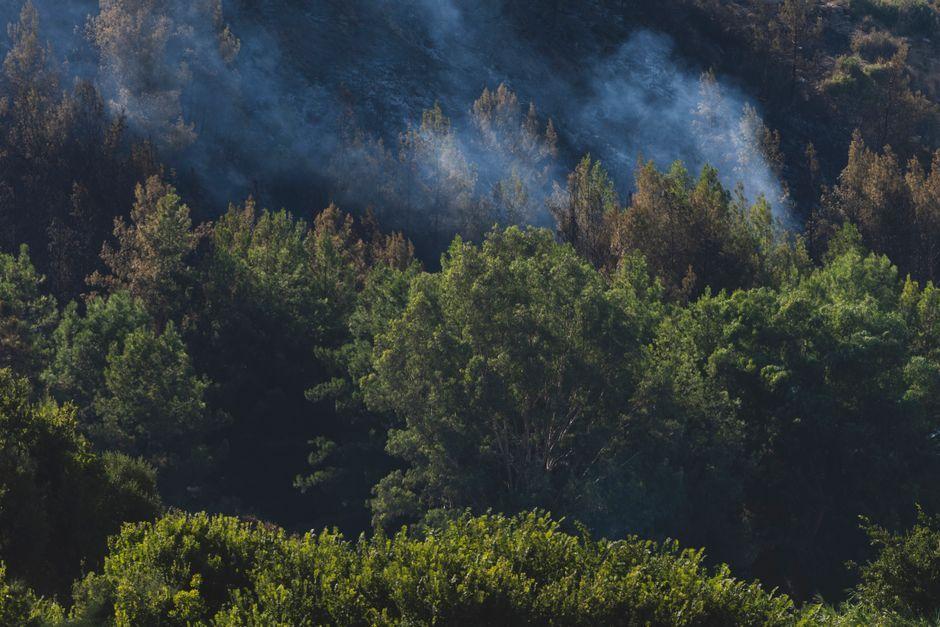
Stock photo for illustration only, not from the actual event
- Bangor University researchers warn that severe summer wildfires in Wales caused catastrophic underground damage.
- Fires in July and August scorched approximately 2,760 acres of countryside across north Wales alone.
- The true impact remains hidden beneath the surface, threatening carbon storage and rare ecosystems.
- Researchers are racing to collect soil samples before winter rains and will track recovery for two years.
Scientists investigating the damage caused by severe wildfires across Wales this summer have warned that the impact has reached catastrophic proportions. Extreme heat and exceptionally dry conditions throughout July and August left landscapes including heathland, moorland, and upland grasslands vulnerable to fast-spreading blazes, culminating in one of the UK's worst wildfire seasons in recent years.
Professor Davey Jones, leading a Bangor University survey team examining multiple sites across Wales, stated that the scale of destruction was far greater than what was immediately visible to the naked eye. During the peak month of July, fires affected approximately 2,760 acres of countryside across north Wales alone, an area equivalent to more than 1,500 football pitches.
At Sychnant Pass in Conwy county, one of the most significant blazes forced 36 households to evacuate while impacting about 200 acres of land. Today, slight green shoots of recovery are visible among the charred hillside, but Professor Jones described the location as a rare ecosystem hosting specialist plants, butterflies, and insects where the UK serves as the global epicentre.

Stock photo for illustration only, not from the actual event
"Once the topsoil is gone, we can never recover that. People see the blackened vegetation and assume that's the main impact, but the real story is below our feet. This soil acts as a water sponge, a carbon store, a nutrient bank."
Professor Davey Jones, Bangor University
Researchers further warned that losing this soil creates a double whammy, worsening climate change while rendering the habitat significantly more fragile. Over recent weeks, the Bangor team has raced against time to collect soil samples at several sites across Wales before heavy winter rainfall washes away the remaining debris. Their fieldwork includes comparing burnt land with adjacent untouched areas to measure shifts in soil carbon, nutrients, microbial activity, water repellency, and erosion risk, aided by NASA satellite data to swiftly identify new fire sites.
Severe wildfires in temperate and upland regions highlight the vulnerability of organic soils that take centuries to accumulate. Repeated burning not only strips away surface vegetation but also releases massive amounts of stored carbon into the atmosphere and destroys microbial networks responsible for moisture retention, leaving landscapes vulnerable to long-term degradation and severe erosion.
Dr. Kara Marsden, a lecturer in soil science working on the project, emphasized that rapid response was vital. She warned that early green shoots currently visible at the sites do not necessarily reflect true or full recovery, noting that heather and gorse possess much shallower roots indicating they have been completely wiped out. Researchers plan to revisit these locations over the next two years to track ecological recovery and determine whether certain habitats demonstrate greater resilience than others.
Source: BBC Science & Environment
Found something wrong in this article? Report an issue with this article
Comments
Leave a Comment