

How the iPhone X permanently changed our device habits
Looking back at the 2017 iPhone X launch, the transition from physical Home buttons to gesture navigation, and the final retirement of the iconic button.
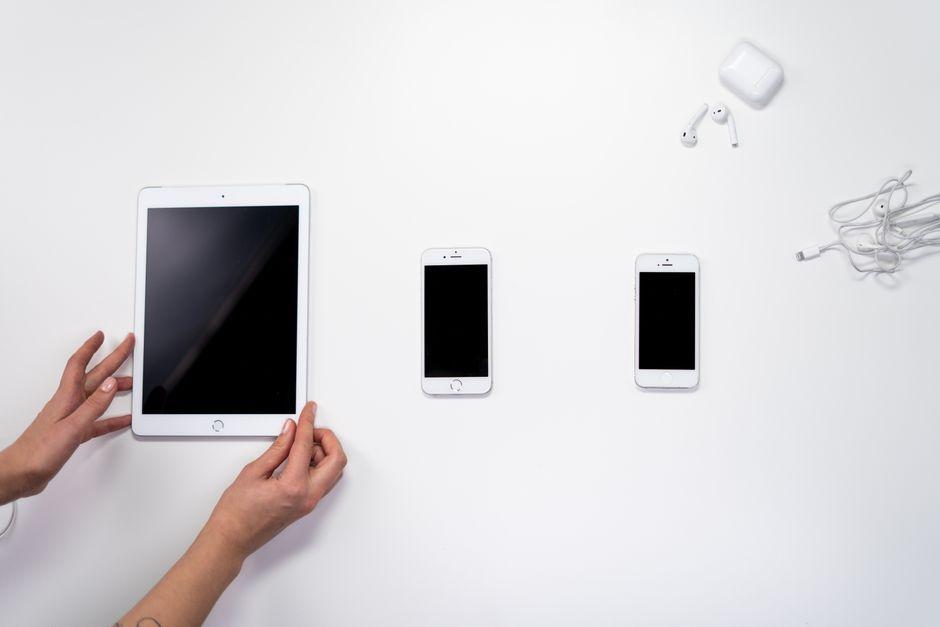
Stock photo for illustration only, not from the actual event
- Apple launched the iPhone X in 2017, introducing its most radical design shift ever.
- The removal of the Home button forced users to adopt entirely new gesture controls.
- The 2025 debut of the iPhone 16e officially retired the once-essential Home button.
- Gesture navigation has evolved from a confusing change into an instinctive daily habit.
Using a smartphone without a physical Home button feels completely natural today, almost like second nature. Yet back in 2017, when Apple released the iPhone X, its single glass pane design was nothing short of disruptive. The burning question on everyone's mind at the time was simple: without a Home button, how was anyone supposed to navigate their device?
That widespread confusion prompted publications like Lifehacker to release guides helping users master the brand-new gesture controls. Reading through the comment sections of those nearly decade-old articles reveals just how bumpy that transition really was. Users complained that smartphone gestures made basic tasks unnecessarily complicated, while others grew frustrated jumping between gesture-driven iPhones and older iPad systems.
The industry-wide shift from physical buttons to gesture navigation represents a monumental milestone in mobile UI/UX evolution. Following Apple's lead, Android manufacturers rapidly phased out capacitive and on-screen navigation buttons to maximize display estate. This design pivot ultimately established the modern edge-to-edge screen standard that defines nearly every smartphone manufactured today.
Apple did not abandon the physical button overnight, releasing the iPhone 8 and 8 Plus alongside the iPhone X to ease the transition. However, the writing was clearly on the wall. Before long, only the budget-focused SE product line retained the legacy aesthetic, and even Apple's tablet lineup eventually embraced edge-to-edge displays.
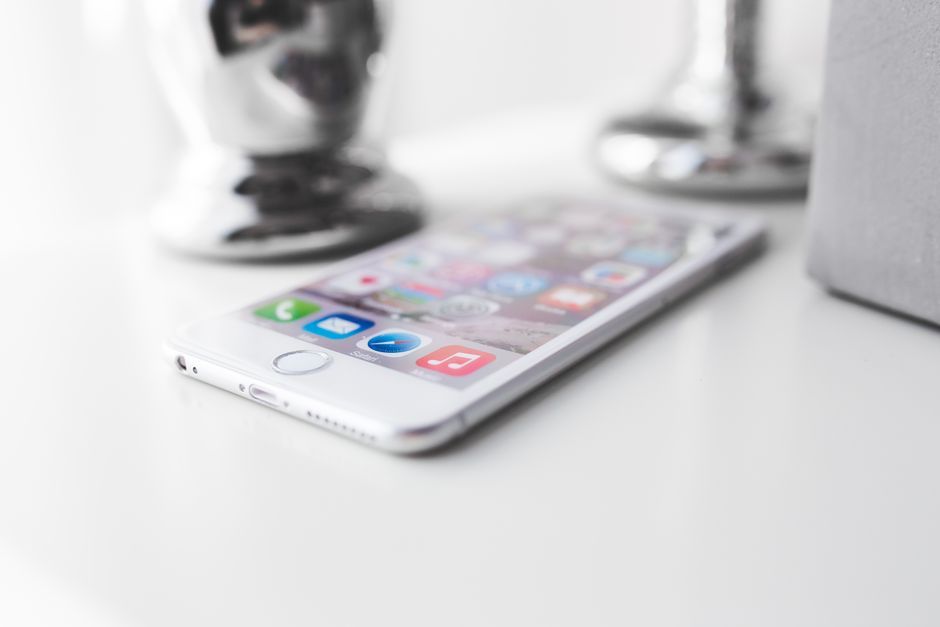
Stock photo for illustration only, not from the actual event
The final chapter for the physical button closed with the launch of the iPhone 16e in 2025. Although users can still purchase and operate older secondhand hardware—such as the 2022 iPhone SE—Apple has officially moved forward. The navigation gestures that once felt so alien are now as innate as tapping a physical key used to be.
Looking ahead another ten years, emerging wearable technologies and advanced hand-tracking gestures might completely redefine how we interact with hardware once again, leaving us looking back with nostalgia on an era when touching physical screens was still required.
Source: Lifehacker
Found something wrong in this article? Report an issue with this article
Comments
Leave a Comment