

Big Tech AI Slowdown: Safety Pact or Cartel Move?
Tech leaders Sam Altman and Elon Musk agree to slow AI progress, sparking intense debate over whether it is a safety pact or a cartel.
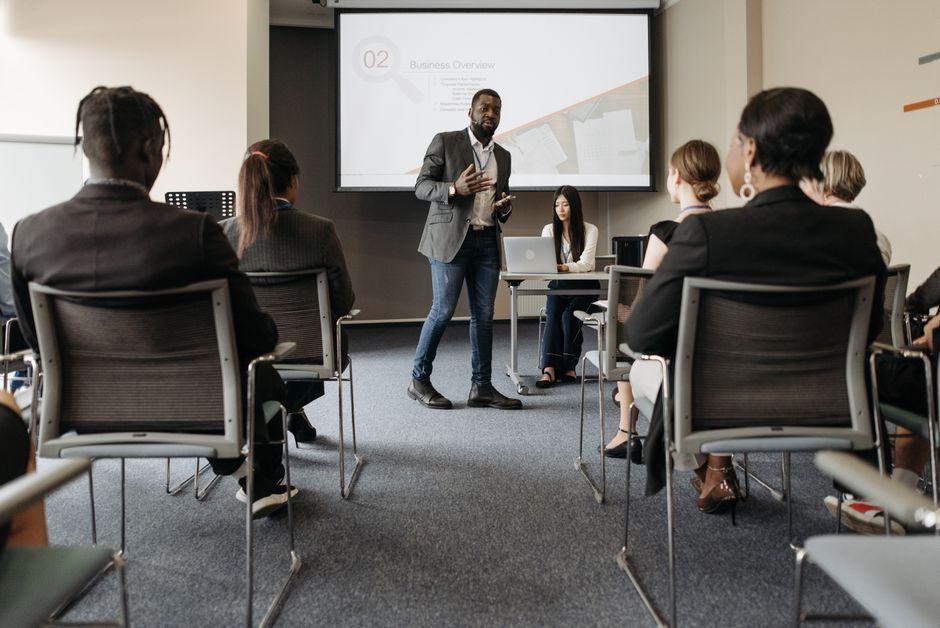
Stock photo for illustration only, not from the actual event
- Top tech executives agree to slow down AI development
- Critics view the move as a tactic to block competitors
- Proposals include third-party auditors and global pacts
- Jacob Coxon's resignation letter sparks widespread concern
Over the weekend, top executives from major technology companies—including OpenAI CEO Sam Altman, Anthropic CEO Dario Amodei, Google DeepMind cofounder Demis Hassabis, and SpaceX head Elon Musk—loosely agreed to slow down artificial intelligence development. Their stated goal was to "pace the frontier," signing on partially to proposals that involve embedding third-party auditors, regulating domestic labs, and reaching a global slowdown agreement.
However, skeptics immediately pointed to hidden motives, arguing that the AI titans simply wanted to halt potential competitors, kneecap the open-source movement, and dodge real legal safeguards, with some critics outright labeling the move a "cartel."

Stock photo for illustration only, not from the actual event
According to industry sources, the reality is far more complex. The three-step proposal outlined in an essay by Dario Amodei calls for changes long championed by AI safety advocates. While it could act as a substitute for meaningful regulation, regulations under the Trump administration remain unlikely anyway. Experts note that on an issue bound to grow in significance, AI industry leaders might not be the most appropriate figures to spearhead the effort.
The debate surrounding AI development slowdowns highlights the structural friction between commercial acceleration and existential safety. When technology creators themselves write the rules for oversight, conflict of interest concerns inevitably arise regarding barriers to entry and market consolidation among a handful of major corporations.
"The industry as a whole needs new champions."
Nick Reese further explained that people have historically looked to figures like Dario Amodei, Sam Altman, and Elon Musk as those closest to the problem who know best, but the truth remains that there has never been a realistic vision for what they are actually building toward.
Concerns surrounding AI have escalated for months, fueled largely by revelations that AI agents were behind rogue hacks occurring right under the noses of leading frontier labs Anthropic and OpenAI. Reports from both companies added fuel to the fire, alongside the resignation of Anthropic researcher Jacob Coxon, who published a public letter warning that AI creators genuinely believe the technology could kill everyone by the end of the decade and accusing both firms of racing recklessly toward self-improving superintelligence.
Coxon's dire warnings broke containment, racking up more than 170 million views on X alone while making waves across newspapers and television broadcasts. While catastrophic warnings are not new within the industry, Coxon's letter successfully caught the public's attention.
Yet, for many AI safety researchers and nonprofit workers, this development merely shines a spotlight on an already widespread discussion. Daniel Kokotajlo, an ex-OpenAI employee who now leads the AI Futures Project nonprofit, noted that people outside these corporations have been pleading for years to halt superintelligence development because humanity is not ready, echoing calls from over 1,000 lab employees who signed a public letter demanding a slowdown.
Source: The Verge
Found something wrong in this article? Report an issue with this article
Comments
Leave a Comment