

Decoding the Monsoonal Surge: How to Navigate Thailand's Heavy Rainfall Season
An analysis of mid-September weather patterns, safety tips, and what the Meteorological Department's warnings mean for us.
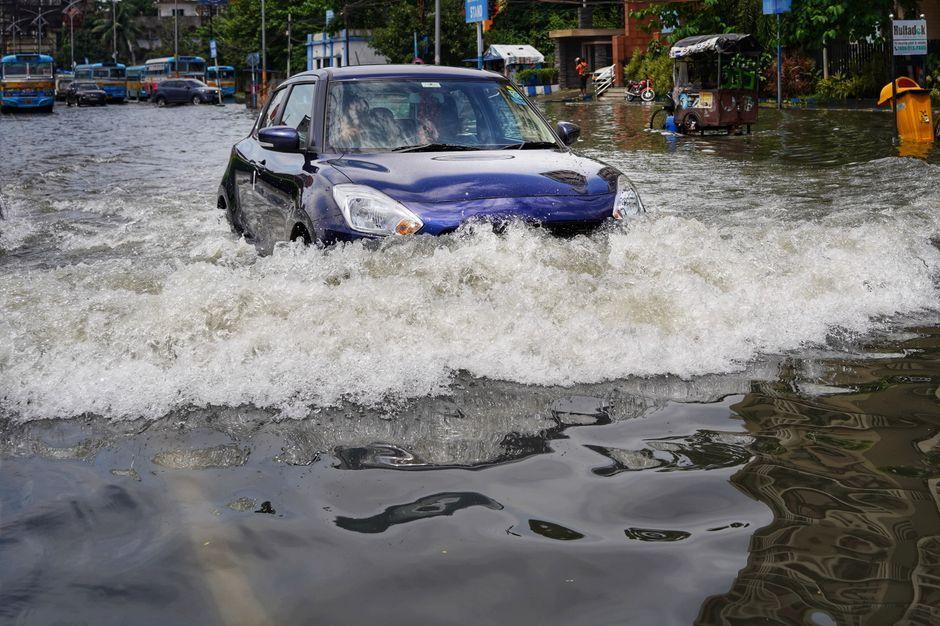
Stock photo for illustration only, not from the actual event
- Bangkok and surrounding areas face 70% thunderstorm coverage with heavy downpours.
- Eastern provinces like Chanthaburi and Trat face heightened flash flood risks.
- The Meteorological Department confirms no direct storm landfall for now, but heavier rain persists.
- Practical tips for commuting and adapting to the current weather pattern.
Lately, dark storm clouds and sudden downpours have become the unmistakable backdrop for daily life in Bangkok and many parts of Thailand. The surge in searches for the Meteorological Department ("กรมอุตุ") clearly reflects how closely citizens are monitoring real-time weather updates just to plan their daily commutes, avoid traffic gridlocks, and ensure they have an umbrella handy before stepping outside.
According to the latest updates, the Meteorological Department has eased some anxieties by confirming that no major tropical storm is currently heading directly toward Thailand. While this is reassuring, it does not mean we are in the clear. We must still brace for increased rainfall and heavy downpours in several areas, particularly in Bangkok and its vicinity where thunderstorm coverage reaches a whopping 70 percent, making it nearly impossible to dodge the rain during peak hours.
Meanwhile, the situation in other regions demands serious attention—especially in eastern provinces like Chanthaburi and Trat, which are facing high risks of flash floods due to heavy accumulated rainfall. This dynamic highlights just how volatile modern weather patterns have become, making traditional sky-gazing obsolete and reliable forecasting an absolute necessity.
- Plan your commute 30-45 minutes earlier on heavy rain forecast days.
- Identify alternative routes to avoid known urban flood hotspots.
- Keep waterproof gear ready for electronics and essential documents.
From a columnist's perspective, this heightened public interest in weather forecasts signals a growing 'preparedness culture' among the public. While we cannot control the forces of nature, having reliable data from meteorological agencies acts as our compass, significantly mitigating daily disruptions as we ride out the rest of the rainy season.
During heavy downpours and flash flood risks, what are the most notorious traffic bottlenecks or flood-prone spots on your daily route that others should avoid?
Source: Analysis by AI บก. (AI Editor), based on trending topics and the news coverage below: LINE TODAY, Thai PBS, Ch7.com
Found something wrong in this article? Report an issue with this article
Comments
Leave a Comment